hygiene-precision: distributor of Aquolab products





White spots after braces | Dental demineralization
Discover how to treat and prevent white spots on braces during or after orthodontic treatment. Causes, treatments and advice to protect your enamel.
This article was written by the Hygiène Précision team, based on scientific data and rigorous clinical studies. Updated on 28/08/2026
5/6/20265 min read


What are the risks and dangers of orthodontics on your teeth?
Dental demineralization, white spots, during orthodontic treatment is a common phenomenon affecting many patients with fixed braces. It manifests as a progressive loss of minerals in the enamel, making teeth more vulnerable to white spots, cavities, and increased sensitivity. Understanding its causes, consequences, and prevention methods is essential for protecting your smile throughout orthodontic treatment.
This article contains the following:
What is dental demineralization | white spots ?
White spots or dental demineralization are a deterioration of the enamel due to a decrease in its calcium and phosphate content. This weakening makes teeth less resistant to acid attacks produced by bacteria present in dental plaque. When orthodontic braces are worn, this risk increases significantly because the areas around the brackets are more difficult to clean.
Decalcification teeth : symptoms
Dental decalcification manifests as opaque white spots on the enamel, a sign of mineral loss. It is often accompanied by increased sensitivity to hot, cold, or sweet foods and drinks. If it progresses, the enamel becomes fragile, increasing the risk of cavities, localized pain, and a visible alteration in the appearance of the teeth.
Why white spots happen during orthodontic treatment ?
Several factors explain dental demineralization during orthodontic treatment :
1️⃣ Areas that are difficult to clean
Braces create narrow spaces where bacterial plaque easily accumulates. This plaque produces acids that gradually dissolve the enamel.
2️⃣ Sugary or acidic foods
Excessive consumption of soft drinks, acidic fruit juices or sweets promotes enamel erosion and increases the risk of demineralization with dental appliances.
3️⃣ Dry mouth
Some orthodontic treatments or medications reduce salivation, thus limiting the natural protection of teeth against acid attacks.
4️⃣ Insufficient oral hygiene
Incomplete or irregular brushing around the rings accelerates the formation of bacterial deposits responsible for demineralization.
White spots | dental demineralization consequences
Without prevention or treatment, dental demineralization during orthodontic treatment can lead to:
White spots around the orthodontic brackets, visible as soon as the appliance is removed.
Early caries, favored by the mineral loss of enamel.
Increased tooth sensitivity, especially to hot, cold or acidic foods.
General weakening of the enamel, increasing the risk of long-term dental problems.
These consequences of dental demineralization can impact not only the aesthetics of the smile but also overall oral health.
How to remove white spots on teeth after braces ?
White spots that appear after orthodontic treatment are often the result of enamel demineralization caused by plaque accumulation around brackets. Although these lesions can sometimes be improved through remineralization, prevention remains the most effective solution. Maintaining excellent oral hygiene throughout treatment is essential to protect enamel and keep your smile healthy.
The following habits can significantly reduce the risk of developing white spot lesions while wearing braces.
White spots and brushing
Brush your teeth after each meal with a soft-bristled, preferably sonic, toothbrush for the quality of its up-and-down movement, which mimics the BRUSH method.
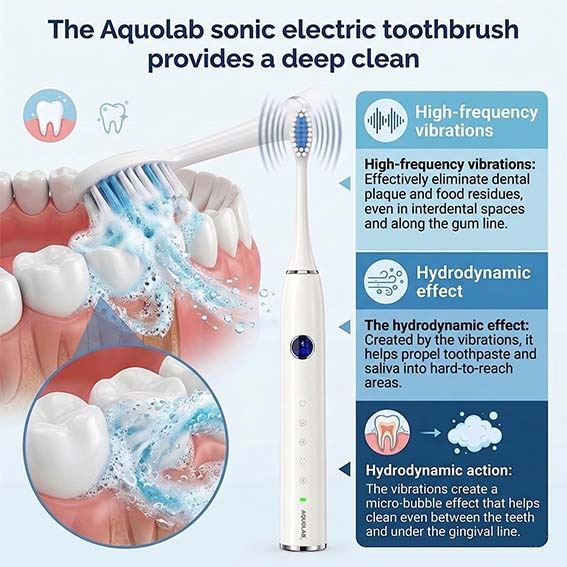
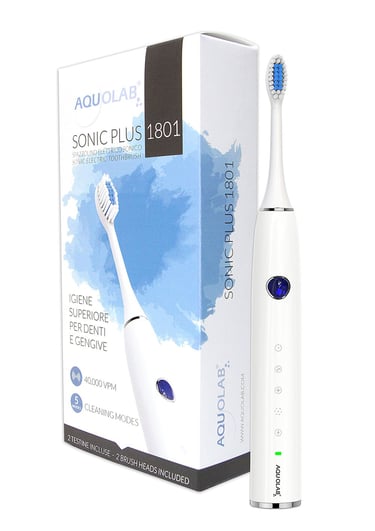
The Aquolab Sonic toothbrush is a valuable ally for people wearing orthodontic appliances. Thanks to its high-frequency sonic technology, it generates a hydrodynamic effect, creating microbubbles that clean inaccessible areas under the archwires and around the brackets. This action effectively removes plaque, the main cause of enamel demineralization. By ensuring rigorous hygiene, it prevents the appearance of permanent white spots, thus guaranteeing a healthy and protected smile throughout treatment.
The UFSBD ( French Union for Oral Health) recommends using an electric toothbrush to perfect brushing.
Best toothpaste for white spots on teeth
Even with excellent brushing technique, choosing the right toothpaste is equally important. A toothpaste formulated to strengthen enamel and control harmful bacteria helps protect teeth that are more vulnerable during orthodontic treatment. Ingredients such as fluoride, hydroxyapatite, or ozone can support enamel remineralization while maintaining a healthier oral environment.
Use a fluoride or ozone-enriched toothpaste to remineralize and strengthen enamel and to achieve perfect disinfection.
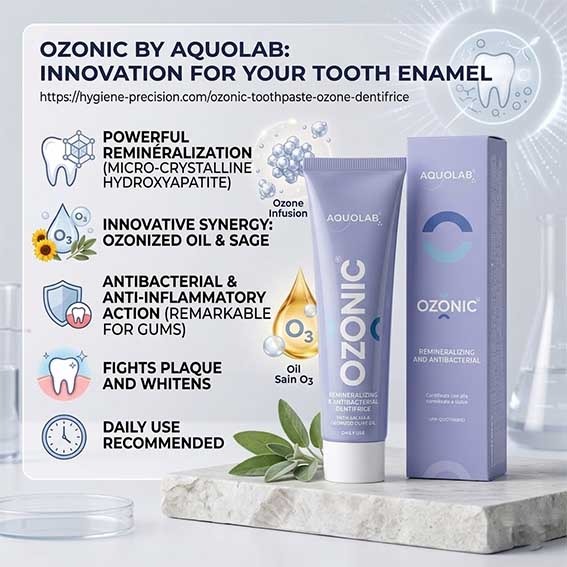
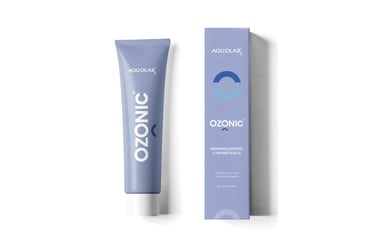
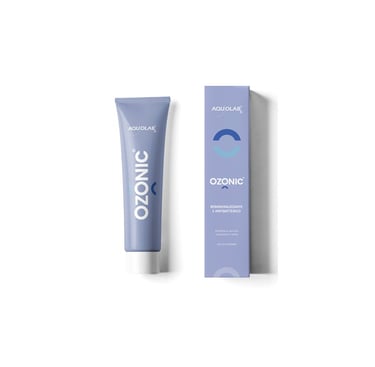
Ozonic toothpaste is avaluable ally for maintaining good oral hygiene around braces. Thanks to its powerful antibacterial properties, it effectively eliminates biofilm and bacteria lodged around brackets and wires, where plaque accumulates. By neutralizing oral acidity, it actively prevents enamel demineralization, thus avoiding the appearance of unsightly white spots. Its formula with ozone and natural hydroxyapatite also promotes natural remineralization and soothes gum irritation caused by friction, ensuring optimal oral protection throughout treatment.
Best water flosser for white spots on teeth
Brushing alone cannot always reach the tight spaces between brackets, wires, and the gumline where food debris and plaque tend to accumulate. Incorporating a water flosser into your daily routine provides additional cleaning in these difficult-to-access areas, helping to reduce plaque, protect enamel, and maintain healthier gums throughout orthodontic treatment.
The UFSBD recommends the use of a water jet to complement interdental hygiene.
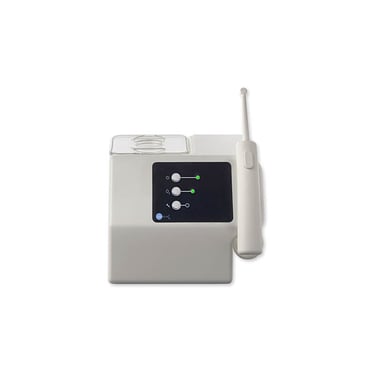
The Aquolab water flosser revolutionizes the maintenance of orthodontic appliances thanks to its exclusive ozone technology. This gentle, gum-friendly water flosserprecisely removes food particles and plaque trapped under wires and brackets. By neutralizing acid-forming bacteria, the ozonated water effectively prevents enamel demineralization and the appearance of white spots. This professional at-home care provides lasting protection for teeth, guaranteeing impeccable hygiene and a radiant smile throughout orthodontic treatment, without the risk of inflammation.
Studies have demonstrated the effectiveness of the Aquolab water flosser during orthodontic treatment. The ozonated water in the Aquolab water flosser outperforms chlorhexidine : better plaque and bleeding reduction, no side effects, improved compliance, tissue improvement, and deep antimicrobial cleaning, ideal for daily orthodontic periodontal hygiene.
Sources: 017_11_Presentazione Poster_Congresso SIOI__Pisa_Dr. Cosola_UNI PISA-OK and
A short-term study of the effects of ozone irrigation in an orthodontic population with fixed appliances
User testimonial:
" I bought the Aquolab ozone water flosser for personal use six months ago because I had a demineralization problem following orthodontic treatment. My dentist recommended it, and I'm very happy with it. My dentist is satisfied with the results. " EV


How to treat white spots after braces ?
If dental demineralization is observed during orthodontic treatment, several solutions exist:
Local application of ozone, with disinfectant and remineralizing properties.
Application of fluoride in the form of varnish or gel to strengthen enamel.
Professional care performed by the dental hygienist to remove plaque and reduce the appearance of white spots.
In some advanced cases, cosmetic restorative treatments may be necessary after the device has been removed.
Conclusion
Tooth demineralization during orthodontic treatment is a common but preventable problem. Rigorous oral hygiene, a suitable diet, and regular checkups with your orthodontist significantly reduce the risk of demineralization with braces.
At the first sign of demineralization, it is essential to act quickly to avoid irreversible damage and maintain a healthy smile after treatment.

Continue reading...
© 2024. All rights reserved.