hygiene-precision: distributor of Aquolab products





Tooth pulp infection
Tooth pulp infection: learn about common symptoms, key causes, and effective treatments like root canal therapy to relieve pain and protect your smile.
This article was written by the Hygiène Précision team, based on scientific data and rigorous clinical studies. Updated on 14/09/2026
3/2/20265 min read
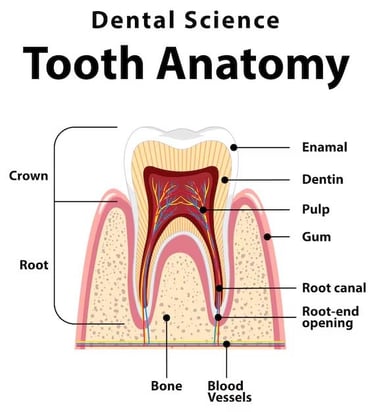
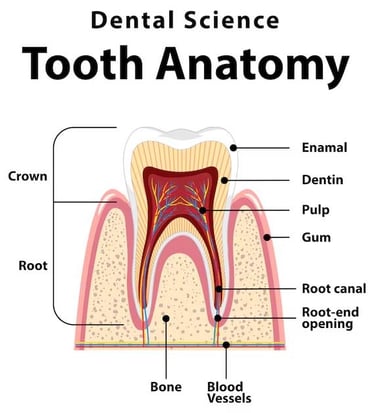
Tooth pulp infection is a serious dental condition that affects the soft tissue inside a tooth. The pulp contains nerves, blood vessels, and connective tissue that keep the tooth alive during its development. When bacteria reach the pulp because of deep decay, cracks, or trauma, an infection can develop and may eventually lead to severe pain, an abscess, or tooth loss if left untreated. Understanding the symptoms and treatment options can help you seek dental care before the damage becomes irreversible.
This article contains the following:
Tooth pulp meaning
The tooth pulp is the soft tissue located at the center of every tooth. It contains nerves, blood vessels, connective tissue, and specialized cells that nourish the tooth and allow it to respond to temperature, pressure, and pain. The pulp extends from the crown of the tooth down through the root canals into the roots.
Healthy pulp is protected by the hard outer layers of enamel and dentin. When these protective layers are damaged, bacteria can enter the pulp and cause inflammation or infection.
Tooth pulp symptoms
An infected or inflamed tooth pulp can produce a variety of symptoms depending on the severity of the condition.
Common symptoms include:
Persistent toothache
Sharp pain when eating or drinking hot or cold foods
Pain when biting or chewing
Lingering sensitivity after exposure to temperature changes
Swollen or tender gums
Darkening of the affected tooth
Bad taste in the mouth caused by pus drainage
Facial swelling in advanced infections
Sometimes the pain may disappear, but this does not necessarily mean the problem has resolved. It may indicate that the pulp has died while the infection continues to spread.
Tooth pulp real image
A real image of healthy tooth pulp typically shows a pink or reddish soft tissue inside the center of the tooth. In infected teeth, the pulp may appear swollen, dark, or partially destroyed due to bacterial invasion.
Dental X-rays are commonly used to evaluate the health of the pulp and surrounding bone because the pulp itself cannot usually be seen without opening the tooth.


Tooth pulp infection
Tooth pulp infection, also known as pulpitis or infected dental pulp, develops when bacteria penetrate the pulp chamber.
Common causes include:
Untreated tooth decay
Large cavities
Cracked or broken teeth
Repeated dental procedures
Tooth injuries
As the infection progresses, pressure builds inside the pulp chamber, causing pain and inflammation. Without treatment, the infection may spread beyond the root tip and form a dental abscess.
Risk factors include poor oral hygiene, frequent sugary foods, smoking, and delaying routine dental checkups.
Decayed tooth pulp
When tooth decay reaches the pulp, bacteria rapidly multiply inside the pulp chamber. The resulting inflammation can eventually destroy the pulp tissue, causing the tooth to die.
If left untreated, a decayed tooth pulp can lead to:
Dental abscesses
Bone loss around the tooth root
Gum swelling
Severe facial infections
Tooth loss
The best way to prevent pulp decay is through regular brushing with fluoride toothpaste, daily flossing or interdental cleaning, limiting sugary foods and drinks, and visiting your dentist regularly for examinations and professional cleanings.
Tooth pulp treatment
Treatment of pulp depends on whether the pulp is still alive.
Possible treatments include:
Removing decay and placing a filling if the pulp is only mildly irritated.
Indirect or direct pulp capping for small pulp exposures.
Root canal treatment when the pulp is infected but the tooth can be saved.
Antibiotics if the infection has spread beyond the tooth (they are not a substitute for dental treatment).
Tooth extraction when the tooth cannot be restored.
Early treatment offers the highest chance of saving the natural tooth.
Tooth pulp infection treatment at home
Important Warning: A tooth pulp infection (pulpitis, necrosis, or abscess) is a dental emergency that strictly requires the intervention of a dentist (typically for a root canal treatment). The home solutions presented below do not replace professional medical procedures in any way. Instead, they serve as ideal complementary care before or after your appointment to relieve inflammation, control the bacterial load, and maintain impeccable oral hygiene.
Water Flosser for infection treatment
When a tooth is infected, it is crucial to keep the surrounding area perfectly clean without aggravating it. Aquolab is an innovative ozone water flosser. It uses the naturally disinfecting and antibacterial properties of ozonated water. It allows for deep cleaning of interdental spaces and the gingival sulcus around the diseased tooth, eliminating debris and bacteria without painful mechanical contact. Its sanitizing action helps limit the spread of the infection while you wait for your dentist's intervention.
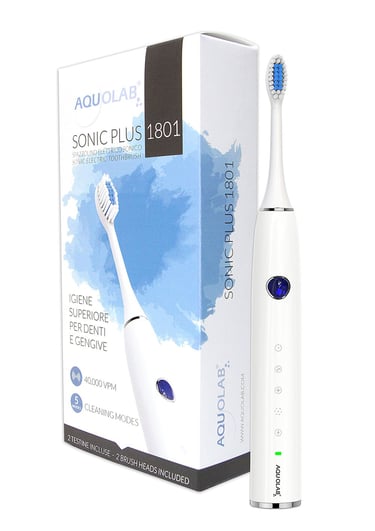
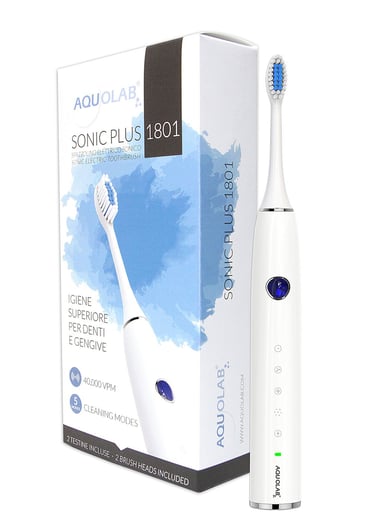
Soft electric toothbrush: Aquolab toothbrush 1801
A tooth suffering from pulp damage is often extremely sensitive to pressure, making classic manual brushing quite painful. The sonic technology of the Aquolab vibrating toothbrush offers a cleaning experience that is both ultra-gentle and highly effective. Thanks to its high-frequency vibrations, it creates micro-bubbles that gently dislodge dental plaque, protecting the weakened tooth and inflamed gums while ensuring optimal oral hygiene.
Professional toothpaste to treat infection
To complement brushing and water flossing, your choice of toothpaste is essential during an infection. Ozonic toothpaste is a professional toothpaste which is formulated with ozonized oil. It is known for its strong antimicrobial power and sage extracts, a plant renowned for its soothing, healing, and anti-inflammatory properties. Working alongside your dentist's treatments, it helps calm the tooth's supporting tissues, purifies the oral cavity, and promotes a healthy environment conducive to healing.




Pulp of tooth exposed
An exposed tooth pulp occurs when the protective enamel and dentin are removed by:
Deep cavities
Tooth fractures
Dental trauma
Excessive tooth wear
Failed dental restorations
When the pulp is exposed, bacteria and saliva can directly enter the tissue, greatly increasing the risk of infection. Immediate dental treatment is recommended to preserve the tooth whenever possible.
Tooth pulp exposed no pain
Some people notice that their tooth pulp is exposed but experience little or no pain. This can happen when:
The pulp has already lost its nerve supply.
The exposure is very small.
The infection is developing slowly.
The tooth has become non-vital (dead).
Even without pain, an exposed pulp is considered a dental emergency because bacteria can continue damaging the tooth and surrounding bone. A professional examination is essential.
Tooth pulp removal
Tooth pulp removal is performed during root canal treatment.
The procedure generally involves:
Numbing the tooth with local anesthesia.
Creating a small opening in the crown.
Removing the infected pulp tissue.
Cleaning and disinfecting the root canals.
Filling the canals with a biocompatible material.
Restoring the tooth with a filling or crown.
Modern root canal therapy is highly effective and is typically no more uncomfortable than receiving a dental filling.
Conclusion
A tooth pulp infection should never be ignored. Whether you are experiencing severe pain, mild sensitivity, or even no symptoms at all, an infected or exposed pulp requires prompt dental evaluation. Early diagnosis and treatment can often save the tooth, prevent complications, and restore your oral health. Regular dental checkups and good oral hygiene remain the most effective ways to protect your tooth pulp from infection.
Integrated into your daily routine, Aquolab oral care products help protect against infections and prevent oral complications.




Continue reading...
© 2024. All rights reserved.