hygiene-precision: distributor of Aquolab products





Dental sinus infection: causes and treatments
Discover the link between teeth and dental sinus infection. Dental sinusitis, dental ozone therapy, how to help naturally treat and accelerate the healing?
This article was written by the Hygiène Précision team, based on scientific data and rigorous clinical studies. Updated on 26/09/2026
3/2/20265 min read


Dental sinus infection is a condition that can cause discomfort in both the teeth and the sinuses, which is why it is sometimes confused with a regular toothache or a common sinus infection. It usually develops when a dental problem affects the nearby maxillary sinus, leading to symptoms such as facial pressure, nasal congestion, and pain in the upper teeth. Understanding the causes and treatments can help you recognize when dental care or medical care is needed.
This article contains the following:
Dental sinus infection meaning
A dental sinus infection usually refers to a sinus infection that starts from a tooth or another dental problem. It is often called odontogenic sinusitis or dental-origin sinusitis. This happens when an infection from the upper teeth or surrounding dental tissues spreads into the nearby maxillary sinus, which sits in the cheek area near the upper back teeth. Sinusitis itself is inflammation of the sinuses, and dental problems are one possible cause.
Dental sinus infection symptoms
A dental sinus infection, also known as odontogenic sinusitis, manifests through a combination of both dental and respiratory symptoms. Affected individuals typically experience a throbbing pain or pressure in the cheekbones (maxillary sinus) that often radiates to the upper teeth, sometimes making chewing painful. Unlike a standard sinus infection, this condition frequently causes a thick, foul-smelling nasal discharge that tends to be unilateral, meaning it occurs on only one side. These signs are often accompanied by nasal congestion, persistent bad breath (halitosis), an unpleasant or metallic taste in the mouth, headaches, and in some cases, a mild fever, signaling that a tooth root infection has spread to the adjacent sinus cavity.
Dental sinus infection causes
A dental sinus infection occurs when bacteria from an infected upper tooth or gum tissue spread into the adjacent maxillary sinus cavity. The most common causes are severe tooth decay or untreated dental abscesses at the roots of the upper premolars and molars, as these roots often sit extremely close to or even protrude into the sinus floor. Advanced gum disease (periodontal disease) can also create deep pockets of infection that erode the bone separating the mouth from the sinuses. Additionally, certain dental procedures such as complicated tooth extractions, misplaced dental implants, or root canal treatments that accidentally puncture the thin sinus membrane can directly introduce oral bacteria into the cavity, triggering inflammation and a painful sinus infection.
Tooth sinus infection home remedy
While home care cannot cure the underlying infection, which often occurs because the roots of your upper teeth sit extremely close to the maxillary sinuses, it can significantly help reduce discomfort. Foundational steps include getting plenty of rest to support your immune system, drinking copious amounts of fluids to thin out mucus, and taking over-the-counter pain relievers like ibuprofen or paracetamol if appropriate. Rinsing your nasal passages with a salt-water solution can also help relieve built-up sinus pressure.
While waiting for your medical or dental appointment, maintaining an impeccable oral hygiene routine is crucial to prevent further bacterial buildup that could aggravate your condition. You can elevate your home care and target oral bacteria more effectively by utilizing the purifying benefits of the Aquolab dental hygiene range.
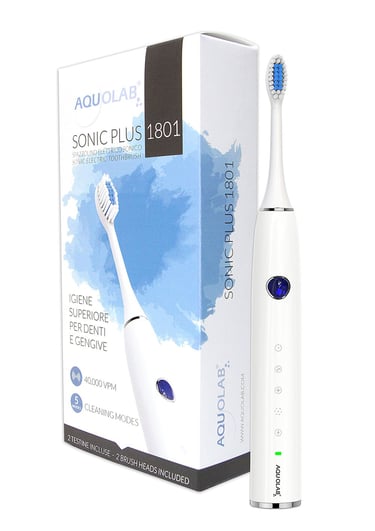
Sonic Aquolab Toothbrush
When suffering from a tooth and sinus infection, your upper jaw, teeth, and gums can become extremely sensitive to touch and pressure. The Sonic Aquolab Toothbrush provides a gentle yet highly effective cleaning action. Its advanced sonic vibrations break down plaque and gently sweep away debris without requiring the harsh scrubbing that a manual toothbrush might, ensuring your mouth stays exceptionally clean without aggravating your dental pain.
Aquolab Ozonic Toothpaste
To complement your brushing routine, using the Aquolab Ozonic Toothpaste offers targeted therapeutic benefits for an infected or inflamed mouth. This professional-grade toothpaste is uniquely formulated with ozonized oil, acting as a powerful natural antibacterial agent to help neutralize harmful pathogens. Additionally, the inclusion of sage provides soothing, anti-inflammatory properties that help calm irritated oral tissues, creating a healthier and more comfortable environment around the affected tooth.
Aquolab Ozone Water Flosser
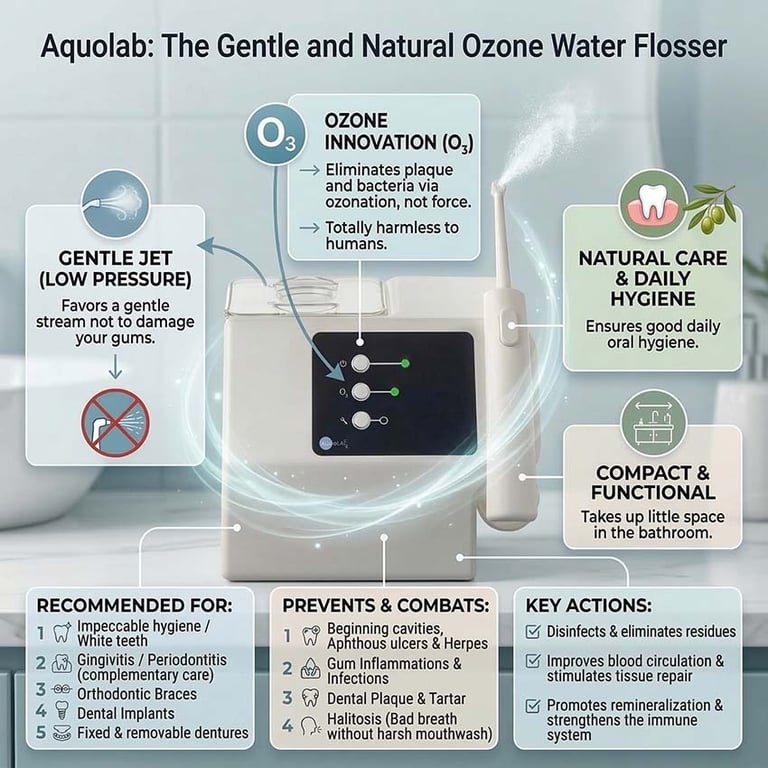
Traditional string flossing can sometimes be difficult or painful when your teeth and gums are throbbing from sinus pressure. The Aquolab Ozone Water Flosser (or Ozone Oral Irrigator) is an exceptional tool that delivers a targeted stream of ozone-infused water. This device not only gently flushes out trapped food debris and bacteria from deep within the periodontal pockets and between the teeth, but the active ozone also sterilizes the area. This deep-cleaning action helps significantly reduce the overall bacterial load in your mouth. The Aquolab water flosser strengthens your immune system.
When to seek help: Please remember that these remedies and hygiene practices are designed to make your symptoms much easier to manage while you arrange for professional care. If your symptoms are severe, last for more than a few days, include a high fever, or suddenly get worse, seeking immediate medical or dental treatment is absolutely essential to treat the root cause of the infection.


Can sinus infection cause toothpain in lower teeth?
Usually, no. Sinus infection-related tooth pain is most often felt in the upper back teeth, because they are close to the maxillary sinuses. Pain in the lower teeth is much less likely to come from the sinuses and is more likely to point to a dental problem such as decay, gum disease, or nerve irritation. If lower tooth pain is present, it should be checked by a dentist.
Dental sinus infection treatments
Dental sinus infection treatment depends on the cause. If the problem starts in a tooth, the dental source must be treated first or at the same time. That may include a filling, root canal treatment, drainage of an abscess, or removal of the infected tooth. When the sinus infection is bacterial, a clinician may also prescribe antibiotics. Supportive care such as pain relief, saline rinses, rest, and fluids can help ease symptoms while the infection is being treated.
Dental sinus infection antibiotics
Antibiotics are not useful for every sinus infection, because many cases are caused by viruses. Antibiotics are usually considered when the infection is bacterial or when a dental source is clearly involved. For odontogenic sinusitis, antibiotic choices often need to cover both aerobic and anaerobic bacteria; amoxicillin-clavulanate is commonly cited as an initial option in reviews, but the final choice depends on the patient, allergies, and the severity of the infection. Antibiotics alone are usually not enough if an infected tooth is still present.


Continue reading...
© 2024. All rights reserved.