hygiene-precision: distributor of Aquolab products





Dentin hypersensitivity treatment
Discover the best dentin hypersensitivity treatment options. Learn about symptoms, causes, exposed dentin pain, professional care and treatments at home to relieve tooth sensitivity.
This article was written by the Hygiène Précision team, based on scientific data and rigorous clinical studies. Updated on 18/09/2026
3/2/20266 min read
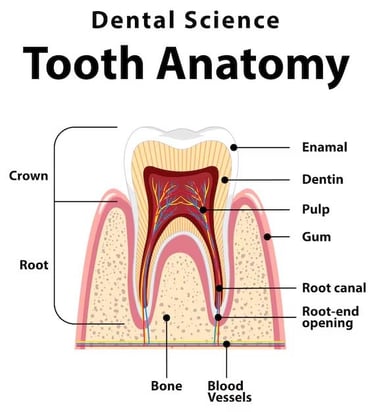
Dentin hypersensitivity is a common dental condition that affects millions of people worldwide. It causes a sudden, sharp pain when teeth are exposed to cold, hot, sweet, acidic, or tactile stimuli. This discomfort occurs when the protective enamel or gum tissue wears away, leaving the underlying dentin exposed. Fortunately, several effective solutions are available to relieve sensitivity and protect your teeth. In this guide, you'll learn what dentin hypersensitivity is, its symptoms and causes, how exposed dentin leads to pain, and the most effective professional treatments and treatments at home to restore long-term oral comfort.
This article contains the following:
What is dentin hypersensitivity?
Dentin hypersensitivity is a common dental condition characterized by a short, sharp pain that occurs when exposed dentin comes into contact with external stimuli. These stimuli may include cold or hot foods and beverages, sweet or acidic foods, cold air, or even brushing your teeth.
Dentin is the layer of the tooth located beneath the enamel and cementum. It contains thousands of microscopic tubules that connect directly to the nerve inside the tooth. When the protective enamel or gum tissue is lost, these tubules become exposed, allowing external stimuli to trigger pain.
Although dentin hypersensitivity is not usually a sign of a serious disease, it can significantly affect daily comfort and quality of life if left untreated.
Dentin hypersensitivity symptoms
The symptoms of dentin hypersensitivity vary from person to person but typically include:
Sharp, sudden tooth pain when consuming cold, hot, sweet, or acidic foods.
Discomfort while drinking cold water or hot coffee.
Pain when breathing in cold air.
Sensitivity during tooth brushing or flossing.
Pain that affects one tooth or multiple teeth.
Symptoms that come and go depending on the trigger.
Unlike toothaches caused by cavities or infections, dentin hypersensitivity pain usually disappears shortly after the stimulus is removed.
Exposed dentin picture
Exposed dentin is not always easy to recognize with the naked eye, but it often appears when the gum line recedes or enamel wears away.
Typical characteristics include:
Yellowish tooth surface near the gum line (dentin is naturally darker than enamel).
Visible root exposure.
Worn or flattened chewing surfaces.
Areas of enamel erosion.
A dental examination is the most reliable way to confirm whether exposed dentin is responsible for tooth sensitivity. Dentists may also perform sensitivity tests using air, water, or gentle probing to identify affected areas.


Exposed dentin pain
Exposed dentin pain occurs because the dentinal tubules become open to the oral environment.
When cold, heat, pressure, or acidic substances reach these tiny channels, the fluid inside the tubules moves rapidly. This movement stimulates the nerve endings within the tooth, creating a sudden, sharp pain. This mechanism is known as the hydrodynamic theory, which is the most widely accepted explanation for dentin hypersensitivity.
Pain may be triggered by:
Ice cream or cold drinks.
Hot tea or coffee.
Citrus fruits and soft drinks.
Tooth brushing.
Dental cleanings.
Cold weather.
The discomfort is typically brief but can become more frequent if the underlying cause is not treated.
Dentin hypersensitivity causes
Several causes can contribute to dentin hypersensitivity by exposing the dentin layer.
Enamel wear
Daily wear from aggressive brushing, abrasive toothpaste, or teeth grinding (bruxism) can gradually remove the protective enamel.
Gum recession
As gums recede due to aging, periodontal disease, or improper brushing techniques, the tooth roots become exposed, leaving dentin vulnerable.
Acid erosion
Frequent consumption of acidic foods and beverages or acid reflux can dissolve enamel over time.
Tooth whitening
Some whitening products temporarily increase tooth sensitivity by affecting the enamel and dentin.
Dental procedures
Professional cleanings, fillings, crowns, or orthodontic treatments may cause temporary sensitivity that usually resolves within a few days.
Cracked teeth
Small cracks in the enamel may expose dentin and allow external stimuli to reach the tooth's nerve.
Periodontal disease
Loss of gum tissue associated with gum disease often exposes the root surfaces and increases sensitivity.
Dentin hypersensitivity professional treatment
A dentist will first identify the underlying cause before recommending the most appropriate treatment for dentin hypersensitivity.
Desensitizing toothpaste
Specialized toothpaste containing hydroxyapatite, potassium nitrate, stannous fluoride, or arginine can help block pain signals or seal exposed dentinal tubules with regular use.
Fluoride treatment
Professional fluoride varnishes or gels strengthen enamel and reduce sensitivity by protecting exposed dentin.
Dental bonding
If root surfaces are exposed, dentists may apply a bonding resin to cover the dentin and reduce discomfort.
Gum grafting
For severe gum recession, a gum graft can cover exposed roots and provide long-term protection.
Occlusal adjustment
If teeth grinding or bite problems are contributing to enamel wear, adjusting the bite or providing a custom night guard may help prevent further damage.
Root canal therapy
In rare cases where sensitivity is severe and persistent despite conservative treatments, root canal therapy may be recommended to eliminate pain.
Dentin hypersensitivity treatment at home
Managing tooth sensitivity requires a gentle yet highly effective daily oral care routine that restores enamel and soothes irritated tissues. By incorporating advanced dental technologies into your daily habits, you can effectively treat dentin hypersensitivity at home.
Dentin hypersensitivity toothpaste
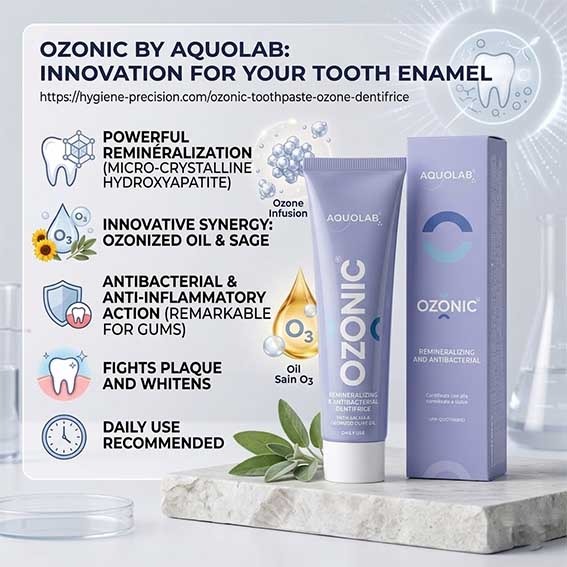
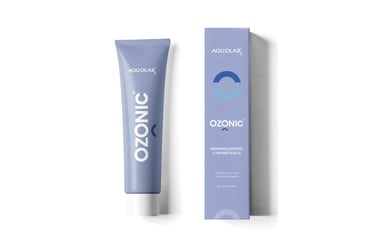
To combat tooth sensitivity effectively, brushing with the AQUOLAB OZONIC professional toothpaste provides targeted relief and structural repair. Its unique formula features ozonized olive oil and natural sage, combined with biomimetic hydroxyapatite (HAp) a natural calcium phosphate base that constitutes 97% of dental enamel and 70% of human dentin. This crucial ingredient actively helps to remineralize the surface of the teeth, reduce micro-fractures present on the enamel, and directly decrease tooth sensitivity. Furthermore, because it is free of aggressive foaming agents, the ozonized oil reduces inflammation and prevents bacterial plaque without disrupting the oral microbiome or irritating sensitive tissues.
Dentin hypersensitivity toothbrush
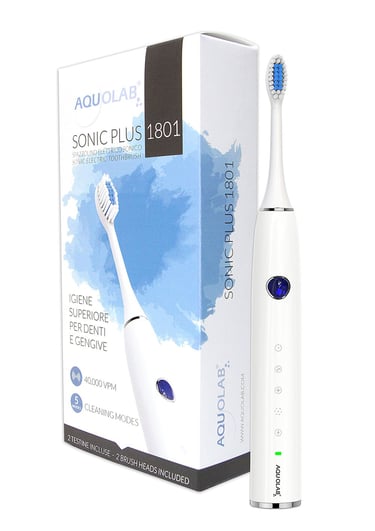
Pairing your toothpaste with the right mechanical action is crucial, and the Sonic AQUOLAB Toothbrush 1801 is engineered for superior, gentle plaque removal. Operating at a high frequency of 40,000 vibrations per minute, it is equipped with brush heads featuring soft, rounded bristles to ensure maximum cleaning efficiency while completely respecting delicate gums. For users suffering from dentin hypersensitivity, the toothbrush offers a dedicated "Sensitive" mode, specially designed for the painless daily cleaning of sensitive teeth and gums. Additionally, the "Gum Care" mode delivers sonic vibrations with extended amplitudes to provide a deep, soothing gingival massage, perfectly complementing your gentle enamel care routine.
Dentin hypersensitivity water flosser
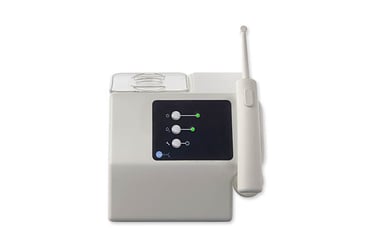
Deep interdental cleaning can often trigger sharp pain for those with sensitive teeth, but the AQUOLAB Ozone Water Flosser provides a comfortable, natural alternative. Unlike conventional water flossers that rely on strong, aggressive mechanical pressure that can damage fragile mucous membranes and aggravate exposed dentin, the Aquolab irrigator uses a very gentle, low-pressure jet of water. Infused with active ozone micro-bubbles, this innovative device acts as a powerful natural disinfectant. The ozone-enriched water actively reduces overall tooth sensitivity,stimulates tissue repair, promotes the remineralization of dental enamel, and provides effective relief from pain and gingival inflammation.


Conclusion
Dentin hypersensitivity is a common but manageable condition caused by exposed dentin. It typically presents as sharp, temporary pain in response to cold, heat, sweet foods, acidic drinks, or touch. Understanding the causes from enamel erosion and gum recession to teeth grinding helps patients take preventive measures and seek appropriate care.
Professional treatments such as fluoride applications, desensitizing agents, dental bonding, gum grafting, and, in severe cases, root canal therapy can provide lasting relief. If tooth sensitivity persists or worsens, consulting a dental professional is essential to rule out other oral health conditions and restore long-term comfort.
Treating dentin hypersensitivity at home requires a gentle routine that repairs enamel and soothes irritated gums. AQUOLAB's ozonized toothpaste provides targeted remineralization and reduces inflammation without using aggressive chemicals. The Sonic 1801 toothbrush ensures painless plaque removal through its soft bristles and a dedicated sensitive cleaning mode. Finally, the ozone water flosser offers a low-pressure, disinfecting interdental clean that relieves pain and protects delicate tissues.
Continue reading...
© 2024. All rights reserved.