hygiene-precision: distributor of Aquolab products
Disadvantages mouthwash: adverse effects & natural alternatives
Disadvantages mouthwash: imbalance of the oral flora, drought, spots. Discover alternatives like natural mouthwash: the ozone spray, effective against gingivitis.
hygiene-precision.com
2/4/20267 min read


Mouthwash: A Hidden Danger?
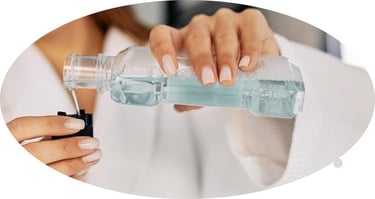
Mouthwashes are widely used as a complement to daily oral hygiene. They provide an immediate feeling of freshness and claim to fight bad breath, bacteria, and inflammation. However, the drawbacks of mouthwash are often underestimated. When used incorrectly or chosen without care, mouthwashes can do more harm than good.
In this article, we take an in-depth look at the disadvantages of mouthwash, comparing them with gentler solutions such as natural mouthwash or innovative alternatives like the ozone dental jet, which is particularly effective against gingivitis.
What are the 5 main side effects of mouthwash?
1. Disruption of the oral microbiome
One of the major disadvantages of mouthwash lies in its non-selective action on bacteria. Powerful antiseptic products, such as those containing chlorhexidine, eliminate not only harmful bacteria but also beneficial bacteria that are essential to a healthy oral microbiome.
Risk: A microbial imbalance can encourage the growth of resistant pathogenic bacteria, increasing the risk of secondary infections and chronic irritation.
2. Tooth and tongue staining
Prolonged use of certain mouthwashes can lead to unwanted aesthetic effects:
Brown stains on teeth
Discoloration of the tongue
Temporary alteration of taste
These effects are particularly common with mouthwashes containing chlorhexidine or certain artificial colorants.
3. Dry mouth
Another drawback of mouthwash—especially alcohol-based formulas—is their drying effect. This can:
Reduce saliva production
Increase the risk of cavities
Promote gum diseases such as gingivitis
A dry mouth becomes an environment conducive to bacteria and fungi.
4. False sense of security
The fresh taste and feeling of cleanliness should not overshadow the essentials: mechanical brushing remains indispensable.
Too often, regular use of mouthwash masks the symptoms of an underlying issue (such as early-stage gingivitis) and delays consultation with a dentist.
5. Drug interactions and allergens
Some ingredients may interact with medical treatments (asthma, heart conditions, etc.) or trigger allergic reactions.
It is crucial to consult a healthcare professional before using mouthwash daily, especially if you have existing medical conditions.
When should you avoid using mouthwash?
In cases of dry mouth: avoid alcohol-containing mouthwashes.
During orthodontic treatment: certain ingredients may irritate the gums or weaken orthodontic adhesives.
If you have a known allergy to specific antiseptic agents or artificial fragrances.
What are the alternatives to chemical mouthwashes?
Natural mouthwash: a gentle and effective option
A natural mouthwash may contain ingredients such as:
Baking soda
Tea tree essential oil
Aloe vera
Warm salt water
These natural solutions better respect the balance of the oral environment while providing a mild antiseptic action, particularly against gingivitis.
The ozone water flosser: an innovative alternative
Among the most effective and oral-health-friendly alternatives, the ozone dental jet stands out:
Ozone is a powerful, natural, and non-aggressive disinfectant.
It eliminates bacteria responsible for gingivitis without disrupting the oral microbiome.
It is ideal for sensitive or irritated gums.
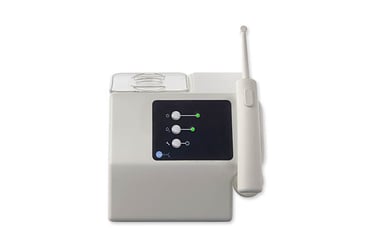
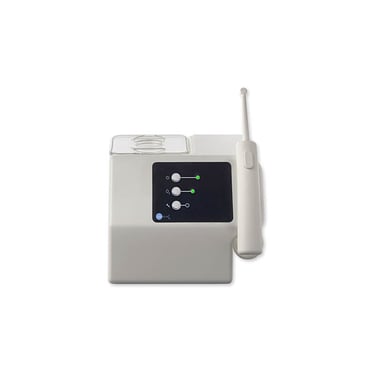
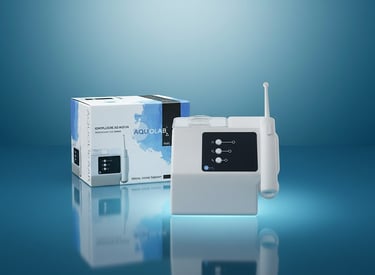
The Aquolab dental jet, for example, combines effectiveness, gentleness, and safety for optimal daily oral hygiene.
How to use mouthwash safely?
Choose a product suited to your needs (alcohol-free, dye-free, chlorhexidine-free for daily use).
Do not replace brushing with mouthwash—it is only a complement.
Limit use to once or twice a day, according to recommendations.
Consult a dentist, especially if pain, bleeding, or recurring gingivitis occurs.
Conclusion
Using mouthwash may seem harmless, but the disadvantages of mouthwash are real when it is misused. Opting for natural products or gentle alternatives like the ozone dental jet—particularly effective against inflammation such as gingivitis—is often a wiser choice.
For optimal oral hygiene, prioritize:
Regular brushing with proper technique
The use of dental floss or interdental brushes
A gentle and effective complement such as a natural mouthwash or the Aquolab dental jet
Complete FAQ on Mouthwash
🔹 Understanding the purpose and how mouthwash works
What is the purpose of using mouthwash after brushing?
Using mouthwash after brushing helps eliminate residual bacteria, freshen breath, and strengthen the protection of teeth and gums. It complements brushing and flossing for better overall oral hygiene.
How many times a day should you use mouthwash?
It is recommended to use mouthwash once or twice a day, depending on your needs. Excessive use may irritate the oral mucosa, especially with antiseptic mouthwashes.
Should mouthwash be used before or after brushing your teeth?
Mouthwash should be used after brushing to optimize its effectiveness and allow active ingredients (fluoride, antiseptics, essential oils) to act directly on teeth and gums.
What is the ideal duration for an effective mouthwash?
An effective mouthwash should last about 30 seconds to 1 minute. It should not be diluted, nor rinsed with water afterward, unless otherwise indicated.
How long should mouthwash be kept in the mouth?
Mouthwash should be kept in the mouth for 30 seconds to 1 minute, without swallowing it, for optimal effectiveness.
What is the difference between antiseptic and refreshing mouthwash?
Antiseptic mouthwash treats infections and inflammation, while refreshing mouthwash is mainly designed to improve breath and provide a feeling of cleanliness.
Is it dangerous to use mouthwash every day?
No, as long as the product is appropriate. Strong antiseptic mouthwashes should not be used for more than two consecutive weeks without medical advice.
Should you rinse with water after using mouthwash?
No, it is best not to rinse after using mouthwash, so the active ingredients can continue to act in the mouth.
Does mouthwash replace brushing your teeth?
No, mouthwash never replaces brushing. It only acts as a complement to improve overall oral hygiene.
Can mouthwash be used without brushing your teeth?
Mouthwash can be used occasionally without brushing, but it is not sufficient to remove dental plaque or prevent cavities in the long term.
🔹 Safety, risks, and precautions
Can you accidentally swallow mouthwash?
If you accidentally swallow mouthwash, rinse your mouth and drink water. Consult a doctor if a large amount has been ingested.
Do mouthwashes contain alcohol?
Some mouthwashes contain alcohol to enhance their antiseptic effect, but many alcohol-free alternatives are available and are gentler on the oral mucosa.
Can mouthwash irritate the mouth?
Yes, a mouthwash that is too aggressive or used too frequently can cause irritation, dry mouth, or a burning sensation.
Can you use expired mouthwash?
Using expired mouthwash is not recommended, as its effectiveness decreases and some ingredients may become irritating.
🔹 Natural alternatives to mouthwash
What are the benefits of an ozone dental water flosser as a natural alternative to mouthwash?
An ozone dental water flosser is a natural and mechanical alternative to mouthwash, particularly effective for daily oral hygiene. It combines the action of pulsating water, which removes food debris and dental plaque between teeth and below the gumline, with the antibacterial properties of ozone. Ozone helps reduce bacteria responsible for bad breath, gum inflammation, and plaque, without using chemical agents or alcohol. Unlike traditional mouthwashes, an ozone water flosser does not irritate the oral mucosa, does not disrupt the balance of the oral microbiome, and can be used daily over the long term. It is especially suitable for people with sensitive gums, braces, implants, or those seeking a more natural and sustainable solution to complement tooth brushing.
What are the benefits of ozone toothpaste as a natural alternative to mouthwash?
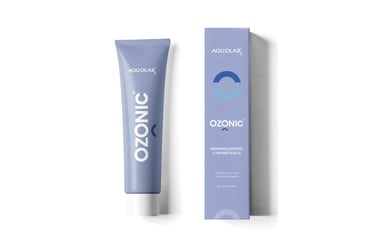
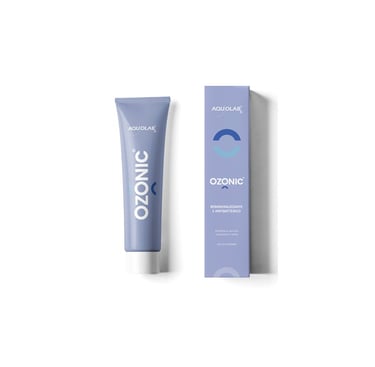
Ozone toothpaste is a natural alternative to mouthwash by combining the mechanical cleaning action of brushing with the powerful antibacterial properties of ozone. Ozone acts directly on bacteria responsible for plaque, bad breath, and gum inflammation, without relying on alcohol, chlorhexidine, or harsh chemical agents. Unlike traditional mouthwashes, ozone toothpaste provides prolonged and targeted action during brushing, especially along the gumline and in hard-to-reach areas. It helps sanitize the mouth, soothe sensitive gums, and preserve the natural balance of the oral microbiome. When used daily, ozone toothpaste can reduce the need for antiseptic mouthwashes while offering a gentler, more sustainable, and mucosa-friendly solution.
What are the benefits of ozonated oil as a natural alternative to mouthwash?
Ozonated oil is a natural alternative to mouthwash thanks to its antibacterial and soothing properties. Used as a mouth rinse or for oil pulling, it helps reduce bacteria responsible for bad breath, dental plaque, and gum inflammation, without alcohol or aggressive chemical agents. It is particularly suitable for people with sensitive gums or those looking for a natural solution for daily oral hygiene.
🔹 Homemade mouthwashes and natural solutions
How to make a homemade mouthwash for bad breath?
To make a homemade mouthwash for bad breath, mix baking soda, a little warm water, and a few drops of peppermint or tea tree essential oil.
What is the best natural baking soda mouthwash?
A baking soda mouthwash neutralizes oral acidity and helps slightly whiten teeth. Use one teaspoon in a glass of water, once a day at most.
Is there a homemade alcohol-free mouthwash?
Yes, you can prepare an alcohol-free mouthwash with water, sea salt, and apple cider vinegar or mild essential oils (peppermint, eucalyptus, lemon).
Can salt be used as a natural mouthwash?
A saltwater mouthwash helps soothe inflammation, reduce bacteria, and promote gum healing.
Are natural mouthwashes as effective as pharmaceutical products?
Natural mouthwashes are effective for daily maintenance, but they do not replace antiseptic mouthwashes in cases of confirmed infection.
🔹 Choosing the right mouthwash based on your needs
What is the best organic mouthwash for sensitive gums?
Organic mouthwashes based on chamomile, sage, or aloe vera are ideal for sensitive gums. They soothe without irritation.
Which mouthwash should be used for mouth ulcers?
A mouthwash for mouth ulcers should be gentle, alcohol-free, and soothing. Formulas based on chamomile, aloe vera, or baking soda are effective.
Which mouthwash for bleeding gums?
Use a mouthwash for bleeding gums containing chlorhexidine or natural anti-inflammatory extracts (sage, myrrh, propolis).
Which mouthwash should be used for gingivitis?
A mouthwash for gingivitis with chlorhexidine or anti-inflammatory plant extracts helps reduce bleeding and inflammation.
Which mouthwash for periodontitis?
In cases of mild periodontitis, use a daily antiseptic mouthwash recommended by your dentist, or a natural propolis-based mouthwash to maintain gum health.
Which mouthwash should be used after scaling?
A mild antiseptic or chlorhexidine-based mouthwash is ideal after scaling to limit irritation and bacterial growth.
Which mouthwash is best for smokers?
A mouthwash for smokers should neutralize tobacco odors and help prevent tooth discoloration. Those based on strong mint or baking soda are effective.
Which mouthwash for braces?
People with braces should use a gentle antibacterial mouthwash, alcohol-free, to avoid irritation.
Do mouthwashes whiten teeth?
Some whitening mouthwashes contain peroxide or mild polishing agents, but the effect remains moderate. They do not replace professional whitening.
Which mouthwash should be chosen for long-lasting fresh breath?
A mouthwash containing zinc or essential oils helps neutralize compounds responsible for bad breath over time.
🔹 Specific cases and special situations
Can you use mouthwash after a tooth extraction?
Yes, but only after 48 hours and with a mouthwash recommended by a dentist. Avoid vigorous rinsing to prevent disrupting healing.
Can you use mouthwash after teeth whitening?
Yes, but choose a gentle mouthwash without colorants or alcohol to avoid affecting whitening results.
Which fluoride-free mouthwash should be chosen for children?
For children, choose a fluoride-free and alcohol-free mouthwash made with natural ingredients such as chamomile or mild mint.
Which mouthwash is suitable for pregnant women?
Alcohol-free mouthwashes without strong essential oils are the safest during pregnancy.
Can mouthwash be used in cases of dry mouth?
Yes, but you should choose a moisturizing, alcohol-free mouthwash formulated for dry mouth.
Continue reading...
© 2024. All rights reserved.