hygiene-precision: distributor of Aquolab products





Is dental floss safe? Disadvantages and risks to your gums
Is dental floss harmful? Bleeding, receding gums, injuries... Discover the disadvantages of dental floss and the best alternative.
This article was written by the Hygiène Précision team, based on scientific data and rigorous clinical studies. Latest update 01/09/2026
5/6/20267 min read
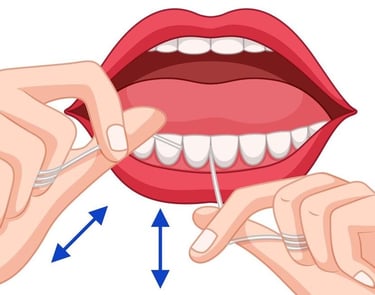
Dental floss is often presented as an essential tool for good oral hygiene. However, despite its undeniable benefits, its use is not always without risk. Some healthcare professionals warn against the drawbacks of dental floss, particularly when used incorrectly or on sensitive gums. This detailed article explains the potential dangers of dental floss, why it can be harmful to gums, and what alternatives exist to protect your oral health.
This article contains the following:
Flossing bad for your teeth?
Dental floss is designed to remove plaque and food particles from between teeth, where a toothbrush can't always reach. When used correctly, it helps prevent cavities, bad breath, and periodontal disease.
However, despite these benefits, several drawbacks of dental floss should be considered before incorporating it into your daily routine. If used incorrectly, it can become a real danger to the gums, causing injury, bleeding, and even accelerating existing periodontal problems.
Dental floss benefits and disadvantages
The Benefits of Dental Floss
Dental floss is an essential complement to tooth brushing because it removes plaque and food particles from areas that a toothbrush cannot reach. Daily flossing helps prevent cavities between the teeth, reduces the risk of gingivitis, and supports healthy gums. By limiting the buildup of bacteria, dental floss also helps fight bad breath and promotes better long-term oral hygiene. Incorporating this simple habit into your daily routine is an effective way to protect your teeth and maintain a healthy, confident smile.
The disavdvantages of flossing
A technique that is difficult to master.
One of the main drawbacks of dental floss is its complexity of use. Unlike a toothbrush, using it requires some practice.
Learning curve:
To be effective, dental floss must be gently slid between the teeth, conforming to their shape and without irritating the gums. Improper technique can do more harm than good.
Difficulty of access:
Some areas, particularly the molars at the back of the mouth, are difficult to reach. This complicates a thorough cleaning and can make the experience frustrating.
Risk of bleeding and micro-injuries
Improper use of dental floss is one of the main reasons why it can become dangerous for your gums.
Risk of bleeding:
Overly vigorous use or too abrupt a movement can cause micro-injuries and bleeding.
Injuries and cuts:
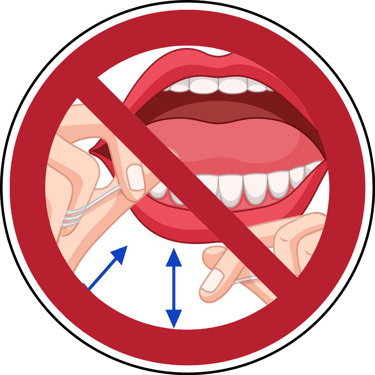
By inserting the wire vertically without following the curve of the tooth, you can cut the gums and create painful sores.
Worsening of sensitive gums:
In people prone to gum inflammation or periodontal disease, dental floss can accentuate symptoms and slow healing.
These situations explain why some dentists consider dental floss to be a danger to the gums, especially when used without precaution.
An unpleasant and sometimes painful sensation
Another disadvantage of dental floss is its lack of comfort for some people.
Several users report:
A feeling of discomfort
during the passage of the thread between the clenched teeth.
Temporary pain
After use, especially for sensitive gums or in case of poor technique.
An apprehension
May discourage regular use, reducing the overall effectiveness of oral hygiene.
Is flossing bad for your gums?
Although dental floss is recommended by many dentists, some situations require caution or abstention, otherwise problems may be aggravated.
Sensitive or inflamed gums
If your gums are already fragile, painful, or prone to bleeding, dental floss may exacerbate the irritation.
If your gums are already sensitive, then it is best to:
To use waxed dental floss, which is softer.
To opt for a more environmentally friendly alternative, such as an ozone dental jet.
Presence of periodontal disease
In cases of gingivitis or periodontitis, flossing can worsen inflammation and dislodge bacteria to other sensitive areas.
It is therefore advisable to:
Consult a dentist before using floss.
Opt for professional cleaning or specific devices adapted to your situation.
Presence of implants, bridges and orthodontic appliances
Dental floss can get stuck or damage certain dental devices.
In cases involving bridges, implants, and dental appliances, dentists often recommend:
The use of a superfloss designed for dental appliances.
Or better still, a oral irrigator that allows for complete cleaning without mechanical risk.
Types of dental floss | The pros and cons
Not all dental floss is created equal, and each has its own advantages and disadvantages, including in terms of safety for the gums.
Nylon thread (multifilament):
economical but can fray and injure the gums if it breaks.
PTFE wire (monofilament):
more resistant and glides easily, but its cost is higher.
Waxed thread:
Reduces friction and the risk of irritation, but may leave a residue feeling.
Unwaxed thread:
thinner, but less comfortable and more likely to fray.
Dental tape:
Ideal for large spaces, but difficult to use in narrow areas.
Superfloss:
Suitable for implants and devices, but takes longer to handle.
Thread holder (flossette):
Practical, but often less effective than a wire used manually.
Even with the best-suited thread, improper use can lead to gum damage and exacerbate the problem rather than improve it.
Is dental floss safe?
Some experts believe that repeated and aggressive use of dental floss can have adverse effects on gum health in the long term.
Repeated and aggressive use of dental floss leads to the following harmful effects:
Gum recession due to repeated microtrauma.
Small scars that weaken the gum tissue.
Potential infections if used on already irritated gums.
These risks explain why dental floss is sometimes considered dangerous for the gums, especially when used without knowledge of proper techniques.
The 4 steps to limit damage to your gums
To avoid the "sawing" effect that shears the gum tissue, you must avoid sudden movements. Follow these steps carefully:
The right amount: Cut a piece of thread about 45 cm long. Wrap most of it around your two middle fingers, leaving a few centimeters of thread free in the center.
The guiding forceps: Hold the wire taut between your thumbs and forefingers. They will control the pressure to prevent the wire from snapping abruptly against the gum.
The "C" movement (The secret): Slide the floss between your teeth with a gentle back-and-forth motion (from left to right). Once you reach the gum line, curve the floss into a "C" shape around the tooth's surface. Follow the curve of the tooth rather than pushing the floss vertically into the gum.
Gentle removal: Slide the floss from the base of the tooth upwards to remove plaque. Use a clean section of floss for each interdental space to avoid transferring bacteria from one area to another.
Why "zero risk" doesn't exist with dental floss
Key takeaway: Even when applying this method perfectly, the risk of micro-lesions remains ever-present.
A simple lapse in concentration, a slightly too abrupt movement in the morning, or very tight interdental spaces (overlapping teeth, orthodontic braces, bridges) can propel the floss directly into the periodontal tissue. The result? Bleeding, entry points for bacteria, and ultimately, a real risk of gum recession ( gum loss ).
If your gums bleed consistently despite good technique, it's a warning sign: your periodontium requires a much less traumatic and more anatomy-friendly interdental cleaning method.
Floss alternatives at home
If you wish to avoid the inconveniences of dental floss and minimize the risks to your gums, several solutions exist.
Interdental brush vs floss
These small interdental brushes allow you to clean the spaces between your teeth without harsh friction. They are particularly suitable for people with sensitive gums or implants. However, you should be very careful not to irritate your gums, as interdental brushes can be harmful.
Mouthwash vs flossing
In addition to brushing, mouthwashes help reduce plaque and bacteria, thus limiting the need for overly aggressive mechanical cleaning with dental floss. Pay attention to their ingredients; make sure they are not irritating to your gums.
Best dental floss alternative: The Aquolab water flosser
The Aquolab ozone water flosser is a modern and safe flossing alternative. It projects a pressurized mixture of water and ozone to remove plaque and bacteria.
Advantages of the Aquolab dental flosser as a replacement for dental floss:
Effectively cleans interdental spaces.
Does not cause cuts or bleeding.
Reaches hard-to-reach areas.
It has a disinfectant action thanks to ozone.
Unlike dental floss, it poses no mechanical risk to the gums.
Ozone water flossers have the ability to disrupt the biofilm of dental plaque and destroy the bacteria that compose it.
A study published in the Journal of International Oral Health showed that rinsing with ozonated water significantly reduced the bacteria present in supragingival dental plaque.


Water flosser vs floss
Dental floss has long been considered an essential tool to complement brushing by cleaning hard-to-reach interdental areas. However, improper use can cause micro-injuries, bleeding, and gum irritation, especially in people with sensitive gums or gum disease. This sometimes makes flossing difficult and uncomfortable for many users.
Conversely, the water flosser (or oral irrigator) is now positioned as a modern, gentler, and easier-to-use alternative, while still offering effective cleaning of the spaces between teeth and along the gum line. Thanks to a controlled jet of water, it removes food particles, helps reduce plaque, and promotes gum health without direct mechanical contact with sensitive tissues, thus limiting the risk of trauma. Ozone models disinfect, reoxygenate, and remineralize your smile.
Some clinical studies suggest that using a water flosser can even reduce gingivitis and plaque more effectively than traditional dental floss, particularly in people with braces or implants. Furthermore, when the water is enriched with ozone, it provides an additional disinfectant action, helping to eliminate bacteria and improve daily oral hygiene, a particularly attractive benefit for those seeking a natural, comprehensive, comfortable, and gum-friendly method.




Continue reading...
© 2024. All rights reserved.