hygiene-precision: distributor of Aquolab products





Gingivitis treatment
Discover the causes of gingivitis, its symptoms and the best solutions to prevent it and treat it effectively on a daily basis. Eliminate the tartar in a natural way.
This article was written by the Hygiène Précision team, based on scientific data and rigorous clinical studies. Updated on 02/10/2026
3/2/20265 min read
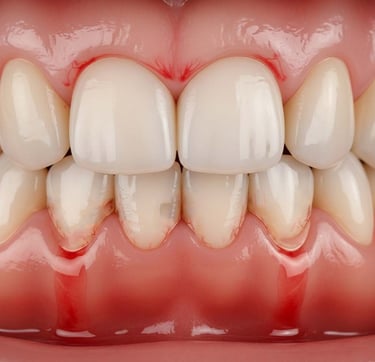

Gingivitis is a very common oral inflammation, often wrongly dismissed. However, it is the first stage of periodontal disease and can progress to more serious forms if not treated promptly. Affecting a large portion of the adult population, this inflammation of the gums deserves special attention, both for its causes and its consequences, as well as for its prevention methods.
This article contains the following:
Gingivitis meaning
Gingivitis is an inflammation of the gums, usually caused by a buildup of bacteria at the junction between the teeth and the gum tissue. It corresponds to the initial stage of periodontal disease, before it may progress to periodontitis, which affects the supporting structures of the teeth.
This inflammation is usually benign and reversible, provided it is detected and treated quickly. However, if neglected, it can lead to more serious complications, including gum recession and tooth loss.
Gingivitis usually develops gradually and may be painless in its early stages, which explains why it often goes unnoticed.
Gingivitis symptoms
Gingivitis manifests itself through several characteristic signs, although some may be subtle at the beginning.
The visible signs
The main symptoms include:
Red gums (instead of pale pink)
Swelling or a puffy appearance
A sensitivity to touch
Persistent bad breath
These symptoms reflect the inflammation caused by bacteria.
A disease that is often painless
An important point to emphasize is that gingivitis is often painless in its early stages. This can delay diagnosis and treatment, allowing time for the disease to progress.
Types of gingivitis
Hypertrophic (drug-induced) gingivitis: Characterized by swelling of the gums and the appearance of protrusions, often triggered by certain antiepileptic treatments.
Pregnancy gingivitis (pregnant woman): Caused by hormonal changes and tartar buildup. It can lead to a small, bleeding gingival tumor ("epulis"), hence the importance of dental care during and after pregnancy.
Necrotizing ulcerative gingivitis (NUG): Sudden onset linked to stress or a serious illness. It manifests as intense pain and heavy bleeding.
Acute necrotizing ulcerative gingivitis (ANUG): Historically called "trench mouth." It affects people who are highly stressed, depressed, or smokers. Symptoms: bad breath, swelling, and the presence of dead tissue between the teeth.
Acute herpetic gingivostomatitis: Caused by the herpes virus. It is recognized by small yellowish or whitish sores on the gums and the inside of the cheeks.
Desquamative gingivitis: A rare condition affecting women after menopause. The superficial layer of the gum peels away, exposing the nerves, which makes this form particularly painful.
Gum recession: Unlike other forms, the gums do not swell but recede (giving the appearance of "long teeth"). It is linked to aging or overly aggressive brushing.
Gingivitis causes
1. Dental Biofilm
The main culprit behind inflammation is dental biofilm (or dental plaque ). If this sticky bacterial deposit isn't removed daily by meticulous brushing, it hardens into tartar. Once tartar has formed, home removal becomes impossible, and inflammation develops.
2. Poor oral hygiene
Irregular, insufficient, or improper brushing promotes plaque buildup. The failure to use a water flosser, dental floss, or interdental brushes also exacerbates this problem, particularly in hard-to-reach areas.
Inadequate hygiene allows bacteria to develop, leading to progressive inflammation of the gum tissues.
3. Hormonal factors
Hormonal fluctuations play a significant role in gum sensitivity. Periods such as pregnancy, menstruation, or menopause can exacerbate the inflammatory response to bacteria.
This is why some women may experience an increase in gum bleeding at these times.
4. General illnesses and certain medications
Certain conditions, such as diabetes or immune diseases, increase the vulnerability of the gums to infections.
In addition, certain medications (anticonvulsants, immunosuppressants, oral contraceptives) can alter the response of gingival tissues and promote the onset of gingivitis.
5. Aggravating factors: Diabetes, Smoking, and Stress
Diabetes: People with diabetes are more prone to infections, including gum infections.
Tobacco: It masks bleeding (by reducing blood flow) but accelerates inflammation and tissue destruction.
Stress and fatigue: They weaken the immune system, leaving the field open to oral bacteria.
💡 Did you know? The health of your gums impacts your entire body! Numerous studies prove that untreated gingivitis and the proliferation of oral bacteria significantly increase the risk of cardiovascular disease, glycemic imbalances in diabetics, and even premature births.
Gingivitis treatments
1. Professional descaling
The main treatment for gingivitis involves removing accumulated plaque and tartar. This is done through a dental cleaning performed by the dentist.
This professional cleaning helps reduce bacterial load and stop inflammation.
2. Rigorous oral hygiene
The success of the treatment then depends on appropriate daily hygiene:
Brush your teeth at least twice a day
Use of a water flosser, dental floss, or interdental brushes
Possible use of antiseptic mouthwash
Good hygiene helps prevent plaque from reforming and maintains healthy gums.
3. Complementary treatments
In some cases, additional treatments may be prescribed:
Antibacterial mouthwashes
Antibiotics (in more advanced cases)
Personalized hygiene advice
These measures aim to enhance the effectiveness of treatment and prevent relapses.
Gingivitis treatment at home
To treat gingivitis, it is essential to combine professional treatment with good daily hygiene. Here are the key steps:
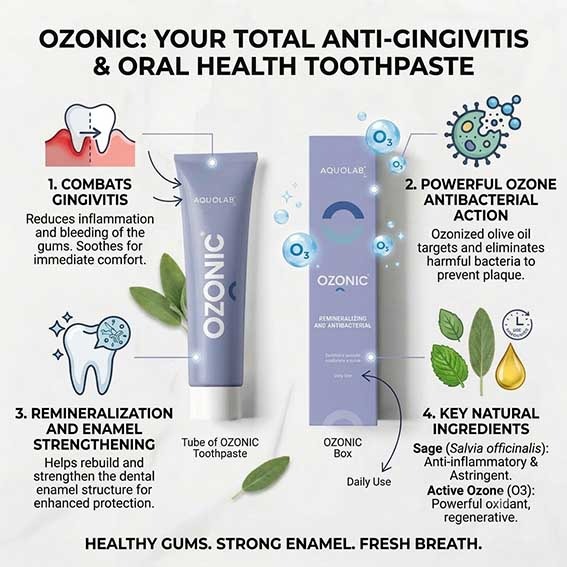
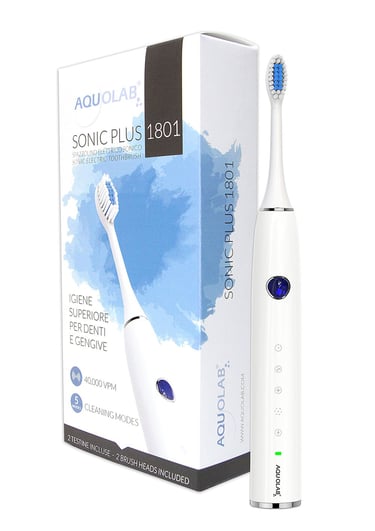
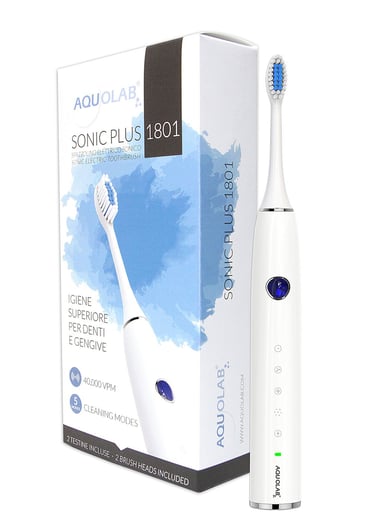
1. Gingivitis toothpaste: Ozonic toothpaste and sonic toothbrush
The UFSBD recommends the use of an electric toothbrush to improve brushing efficiency while respecting sensitive gums.
Brush your teeth twice a day
with an antibacterial and ozonated toothpaste. Opt for a sonic toothbrush for the quality of its movements.
2. Gingivitis water flosser: Aquolab a natural anti-inflammatory treatment
The UFSBD recommends the water jet as a useful complement to remove plaque between teeth and under the gum, where the classic toothbrush remains insufficient on a daily basis.
Ozone possesses effective antibacterial properties against dental plaque, significantly reducing bacteria responsible for cavities and gingivitis, while complementing conventional brushing ( study on ozonated water and dental plaque ; review on ozone in dentistry ). ( pmc.ncbi.nlm.nih.gov )
Ozone innovation to stop gingivitis with a water flosser
Daily use of an ozone dental irrigator, such as the one offered by Aquolab, to remove plaque in hard-to-reach areas
Cleaning the tongue to limit bacterial growth
Use of antiseptic mouthwash , if recommended by the dentist
3. Additional treatments
In some cases, the practitioner may prescribe antibiotics , gingival gels , or antiseptic rinses to help control the infection.
4. How long does gingivitis last?
Gingivitis typically lasts from a few days to 2–3 weeks if treated promptly.
With good oral hygiene (gentle brushing, ozone toothpaste, ozonated water flosser), the inflammation can disappear in 7 to 10 days.
Without treatment, it can persist and progress to periodontitis, a more serious periodontal disease.



The consequences of not treating gingivitis
If gingivitis is not treated, it can progress to periodontitis, a more serious form of periodontal disease.
In this case, the infection is no longer limited to the gums, but reaches the supporting tissues of the tooth (bone and ligament). This progression can lead to:
Gum recession
Dental mobility
Permanent tooth loss
Unlike gingivitis, periodontitis is irreversible, hence the importance of early intervention.




Continue reading...
© 2024. All rights reserved.