hygiene-precision: distributor of Aquolab products





How to clean night guard naturally
Discover how to clean night guard effectively with simple and natural methods. Tips, products, frequency and advice for optimal cleaning of dental splints and orthodontic appliances.
This article was written by the Hygiène Précision team, based on scientific data and rigorous clinical studies. Updated on 15/09/2026
3/2/20264 min read
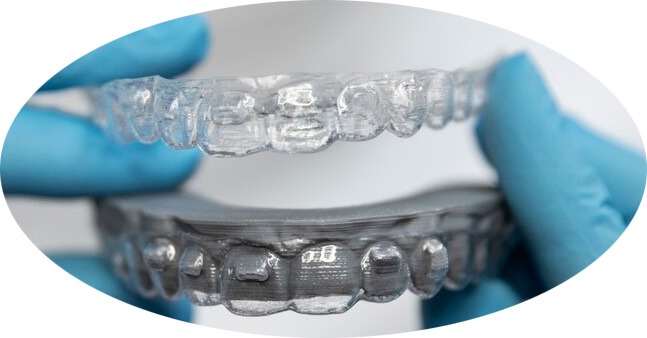
A night guard protects your teeth from grinding and clenching while you sleep, but it also collects saliva, plaque, and bacteria every night. Without proper cleaning, it can develop unpleasant odors, stains, and harmful biofilm. Fortunately, you can keep your night guard clean naturally by combining a consistent daily routine with gentle, non-abrasive cleaning methods. Regular maintenance not only improves oral hygiene but also extends the lifespan of your appliance.
Night guard meaning
A night guard is a removable dental appliance worn while sleeping to protect the teeth from bruxism (teeth grinding) and excessive clenching. It creates a protective barrier between the upper and lower teeth, reducing enamel wear, fractures, jaw pain, and pressure on the temporomandibular joint (TMJ).
Night guards are usually custom-made by a dentist, although over-the-counter versions are also available. A properly fitted night guard offers better comfort and protection.
Night guard benefits
Wearing a night guard every night provides several important benefits, including:
Prevents tooth wear caused by grinding
Reduces the risk of chipped or cracked teeth
Protects crowns, veneers, and fillings
Helps relieve jaw muscle tension
May reduce TMJ-related discomfort
Improves sleep quality by minimizing grinding episodes
Extends the life of dental restorations
When combined with good oral hygiene, a clean night guard helps maintain healthier teeth and gums.
Night guard before and after
Many people notice significant improvements after wearing a night guard consistently.
Before using a night guard:
Morning jaw soreness
Frequent headaches
Flattened or worn teeth
Tooth sensitivity
Cracked dental restorations
After regular use:
Less jaw discomfort
Reduced tooth wear
Better protection against fractures
Improved sleep comfort
Lower risk of expensive dental treatments
Although a night guard protects your teeth, it must also be cleaned properly to avoid bacterial buildup.


How to clean night guard daily?
Daily cleaning takes only a few minutes and helps prevent plaque, odors, and discoloration.
Follow these simple steps:
Rinse your night guard immediately after removing it.
Brush it gently with a soft toothbrush and cool or lukewarm water.
Avoid hot water, which may warp the material.
Allow it to air dry completely.
Store it in a clean, ventilated case.
Avoid using abrasive toothpaste, bleach, or harsh household cleaners, as they may scratch or damage the appliance. A weekly deep cleaning is also recommended to remove stubborn deposits.
How to clean night guard naturally at home?
Natural cleaning methods are an excellent way to keep your night guard fresh without relying on harsh chemicals. Along with traditional methods such as diluted white vinegar or baking soda solutions, using advanced oral hygiene products can provide a deeper and more effective clean.
For the best natural cleaning routine:
Clean with ozonated water.
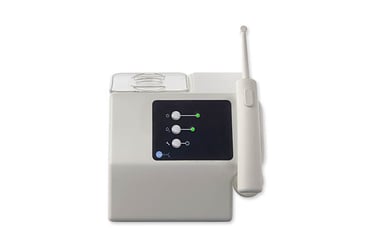
The Aquolab® Ozone Water Flosser (Aquolab home) produces ozonated water that helps flush away bacteria and debris from every corner of your night guard. Ozonated water is a chemical-free solution that supports a cleaner oral appliance while also promoting healthier gums.
Use a soft vibrating toothbrush.
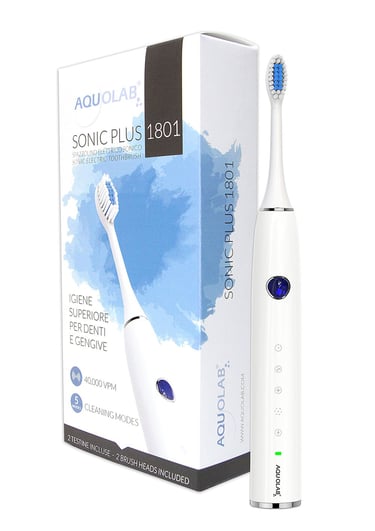
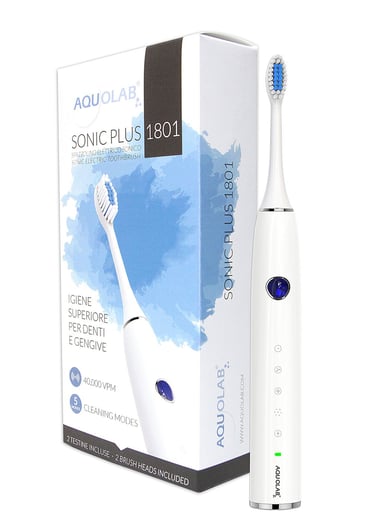
The Sonic Aquolab 1801 toothbrush produces high-frequency vibrations that gently remove plaque. Its soft bristles are ideal for deep cleaning of your teeth. You can safely put your night guard without trapping bacteria.
Disinfect with a gentle ozonized toothpaste.
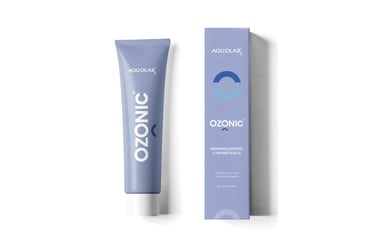
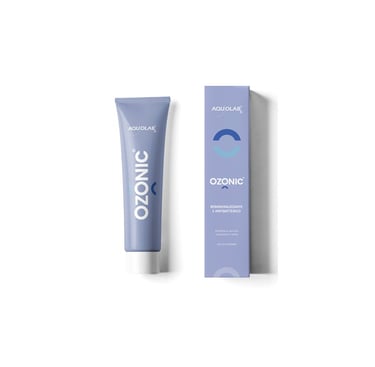
The Aquolab Ozonic Professional Toothpaste, formulated with ozonized oil, hydroxyapatite and sage, is applied with the sonic toothbrush to disinfect your teeth and gums perfectly. In small quantity, it can also disinfect your night guard. The disinfecting power of ozone allows you to sleep peacefully, without bacteria, with your night guard.
For even better results, always rinse the night guard thoroughly after cleaning, let it air dry completely, and store it in a ventilated protective case. A consistent routine helps reduce bacterial growth, prevents unpleasant odors, and keeps your night guard clear and comfortable for long-term use.


Conclusion
Learning how to clean a night guard naturally is essential for maintaining both your oral health and the longevity of your appliance. Daily rinsing, gentle brushing, proper drying, and regular deep cleaning can prevent bacteria, plaque, and unpleasant odors from developing. By combining natural cleaning methods with modern oral care solutions such as ozonated water, a sonic toothbrush, and an ozonized toothpaste, you can keep your night guard cleaner, fresher, and ready to protect your smile every night.
Continue reading...
© 2024. All rights reserved.