hygiene-precision: distributor of Aquolab products





Caring for your dental crown
Discover how to clean and disinfect your dental crown to prevent any dental infection durably and naturally. With Aquolab products, you can care for your dental crown at home.
This article was written by the Hygiène Précision team, based on scientific data and rigorous clinical studies. Updated on 13/08/2026
5/6/20265 min read
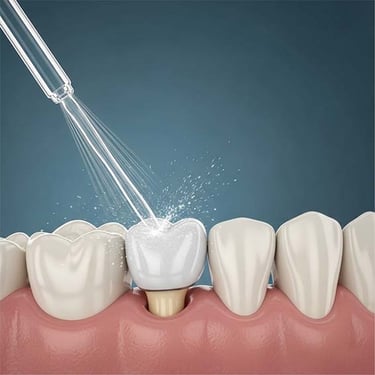
A dental crown can restore the strength, function, and appearance of a damaged or weakened tooth, but caring for your dental crown is essential to maintain its longevity and protect the surrounding gums and natural tooth structure. Good dental crown hygiene helps prevent dental plaque buildup, gum inflammation, decay, and potential infection beneath or around the crown. In this guide, you’ll discover how long dental crowns typically last, how to clean and care for them at home, which foods to avoid, and how preventive approaches such as ozone therapy may support overall oral health.
This article contains the following:
How long do crowns last ?
Dental crowns typically last between 10 and 15 years, although with proper care, some can remain in good condition for 20 years or longer. Their lifespan depends on several factors, including the type of crown, oral hygiene, chewing habits, and the health of the underlying tooth and gums. Regular brushing, flossing, dental check-ups, and avoiding habits such as biting hard objects can help extend the life of a crown. Over time, crowns may become worn, damaged, or loosened and may then need to be replaced.
Why is dental crown hygiene so important ?
1. Prevent Secondary Cavities
Even though the crown covers the tooth, the underlying tooth remains vulnerable to decay, particularly at the root or at the junction between the crown and the natural tooth.
2. Avoid Gum Disease
Poor oral hygiene can lead to gum inflammation gingivitis or periodontitis, which may weaken the supporting tooth and compromise the stability of the crown.
3. Extend the Lifespan of Crowns
Thorough and regular cleaning helps prevent complications that could require premature removal or replacement of the crown.
Disadvantages of dental crowns
Although dental crowns can effectively restore damaged or weakened teeth, they also have some disadvantages. The procedure usually requires removing part of the natural tooth structure to make room for the crown, which is an irreversible process. Some patients may experience temporary sensitivity or discomfort after the treatment, particularly to hot or cold foods. Crowns can also become damaged, loosened, or worn over time and may eventually need to be replaced. In addition, the treatment can be relatively expensive, especially when several crowns are needed. Finally, if the crown does not fit properly or oral hygiene is inadequate, bacteria can accumulate around its edges, potentially increasing the risk of gum inflammation or decay in the remaining natural tooth structure.
Infection under a dental crown: what should you do ?
An infection under a dental crown can develop when bacteria reach the tooth or gum tissue beneath the restoration, sometimes as a result of recurrent decay, a poorly sealed crown, or an infection of the tooth’s root. Common warning signs include persistent toothache, sensitivity, swelling of the gums, a bad taste in the mouth, or discomfort when biting. If you suspect an infection, it is important to see a dentist promptly for an examination and, if necessary, an X-ray to identify the cause. Treatment depends on the underlying problem and may involve cleaning the area, root canal treatment, treatment of the gums, or replacement of the crown. Avoid trying to remove or treat the infection yourself, as delaying professional care can allow the infection to spread.
In this comprehensive guide, we explain how to clean and disinfect dental crowns at home by using ozone. We also advise you which best practices to adopt to prevent infection under a dental crown.
How to clean crown teeth at home ?
Ozone is a powerful natural agent with antibacterial, antiviral, and antifungal properties. It is especially recommended for dental crown care, as it allows deep disinfection without damaging oral tissues.
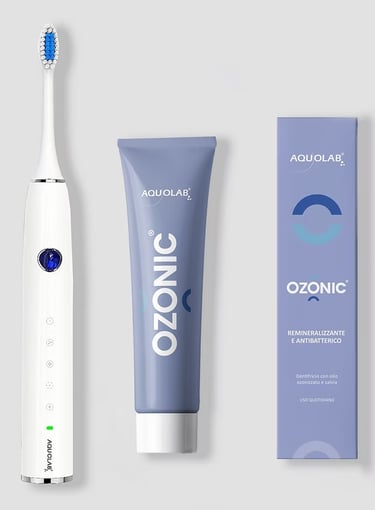
1. Best toothpaste for veeners and crowns
Frequency: Two to three times a day, ideally after meals.
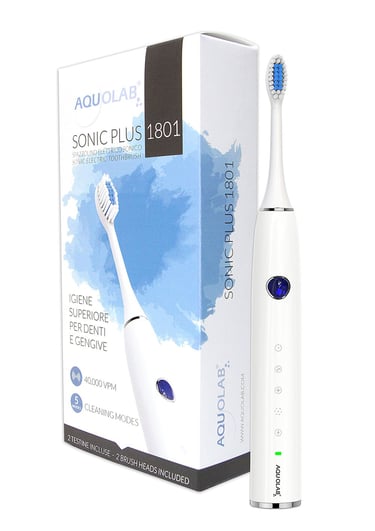
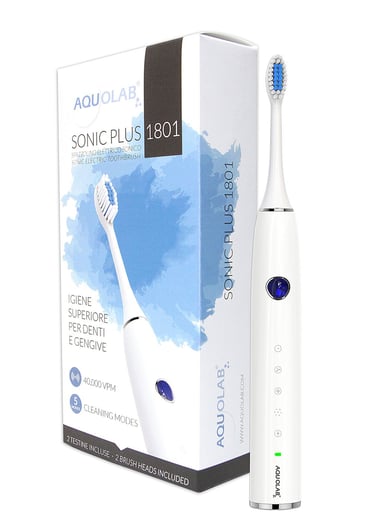
Technique: Use a soft-bristled sonic toothbrush.
Gently brush around the crown, paying special attention
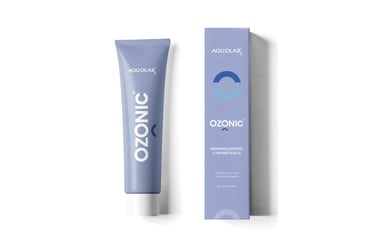
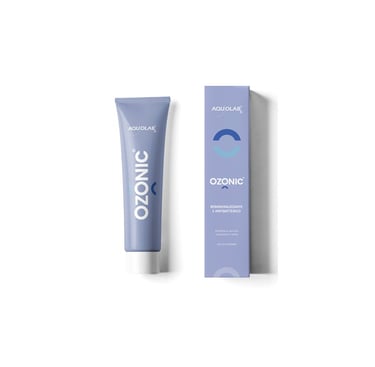
to the junction between the crown and the gum.Ozonated toothpaste: Choose a toothpaste enriched with ozone,
which helps disinfect the mouth while preserving oral balance.
Note : For greater efficiency, it is better to apply ozone toothpaste with a sonic toothbrush
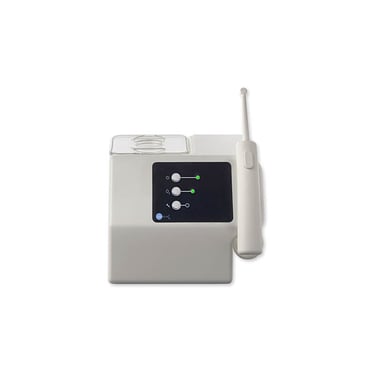
2. Caring for your dental crown with the Aquolab Water Flosser
An ozone water flosser is a powerful ally against dental plaque,
bacteria, and food debris trapped between teeth and crowns.
It provides optimal daily interdental cleaning and disinfection,
helping to prevent complications.
Benefits: Gentle yet effective cleaning of hard-to-reach areas.
Usage tips: Direct the jet around the crown, along the gum line,
and between teeth. Use it daily to strengthen overall oral hygiene.
3. Application of Ozonated Oil
Ozonated oil can be used as a complementary treatment to eliminate persistent bacteria after crown placement or during maintenance.
How to use: Apply a few drops with a cotton swab to the crown area once or twice a day.



How to prevent dental crown infection with ozone
Ozone, in its various forms (toothpaste, water flosser, oil), is an excellent way to prevent dental infections. By eliminating bacteria responsible for gum inflammation and secondary cavities, it plays a key role in preventing infections around dental crowns.
Tips to prevent infection:
Use an ozone dental water flosser after each meal.
Regularly apply ozonated oil to the crown.
Brush your teeth morning and evening with ozonated toothpaste.
Visit your dentist regularly for professional follow-up.
Foods to avoid with permanent crown
Although a permanent dental crown is designed to withstand normal chewing, certain foods are best limited to protect the crown and the tooth underneath. Avoid very hard foods such as ice, hard candies, and unpopped popcorn kernels, which can crack or dislodge the crown. Sticky foods, including caramel and toffee, may also put excessive pressure on the crown or loosen it. It is also advisable to avoid biting directly into very hard foods and to cut them into smaller pieces when possible. Maintaining good oral hygiene and avoiding excessive chewing on non-food objects can further help prolong the life of a permanent crown.
Additional tips
Don’t skip dental check-ups: A visit every 6 months allows your dentist to adjust your hygiene routine if needed.
Act quickly if there’s a problem: If your crown cracks or becomes loose, contact your dentist immediately.
Stay hydrated: Saliva plays a protective role against bacteria. Drinking water regularly helps maintain good oral balance.
Dental crown hygiene with ozone : an essential health practice
Caring for your dental crowns is not just about aesthetics. Above all, it is essential to prevent infections, inflammation, and long-term complications. Thanks to targeted use of ozone, whether through a water flosser, toothpaste, or oil, you benefit from an effective, natural, and non-invasive cleaning protocol.
Investing in good oral hygiene means extending the life of your crowns and protecting your overall health.

Continue reading...
© 2024. All rights reserved.