hygiene-precision: distributor of Aquolab products




Dental implant maintenance : expert guide
Discover how to clean your dental implants to prevent peri-implantitis. Our essential steps, the use of an ozone water flosser, and mistakes to avoid.
This article was written by the Hygiène Précision team, based on scientific data and rigorous clinical studies. Updated on 29/08/2026
5/6/20266 min read
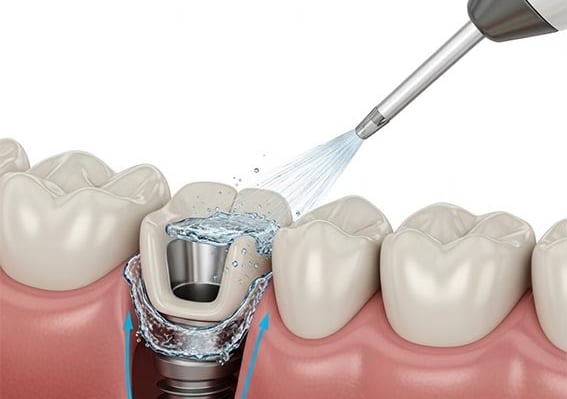
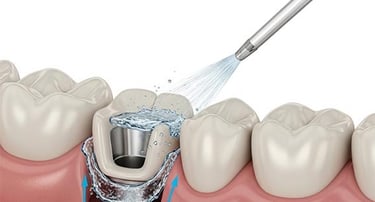
The success of a dental implant depends not only on the surgical placement but also on the quality of its daily maintenance. Good hygiene helps preserve the tissues around the implant, prevents the accumulation of dental plaque, and prolongs the life of your implant crown or denture. Discover in this article the essential steps to protect your smile and your oral health.
This article contains the following:
Dental implant maintenance : why is it essential?
Maintaining rigorous hygiene after dental implant placement is essential. Proper implant care not only prolongs its lifespan but also prevents potentially irreversible complications. Here's everything you need to know about dental implant hygiene, the daily routines to follow, and the mistakes to avoid.
What is a dental implant?
A dental implant is an artificial root, usually made of titanium, inserted into the jawbone to replace a missing tooth. It serves as a stable support for an implant-supported crown, bridge, or denture, restoring chewing function, aesthetics, and comfort over the long term. The implant is connected to the artificial tooth by a prosthetic abutment, an essential element for the overall stability and strength of the structure.
Contraindications to implant placement
Contraindications for dental implants include uncontrolled diabetes, active periodontal disease, severe bone loss, heavy smoking, or certain medications such as bisphosphonates (used to treat osteoporosis). Immune disorders or poor oral health also increase the risk of failure. A medical evaluation is essential before any procedure.
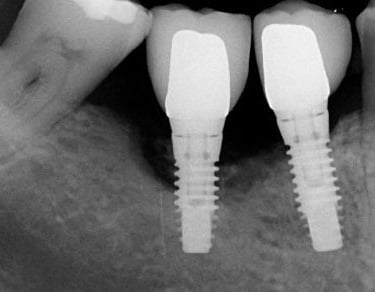
Dental implant care and maintenance | peri-implantitis
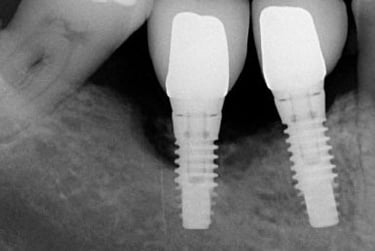
The main threat to a poorly maintained dental implant is peri-implantitis. This bacterial infection of the peri-implant tissues causes inflammation, bone loss, and can lead to implant failure if not treated promptly. Impeccable dental implant hygiene is therefore your best protection.
The proliferation of microorganisms and the accumulation of dental plaque around the implant promote the appearance of chronic inflammation which can lead to progressive loosening of the implant.
Inflammation and swelling of the gums around the implant
An implant must rest on a solid bone base and healthy gums.
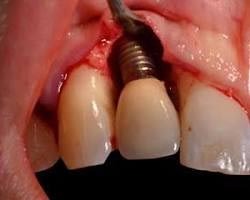
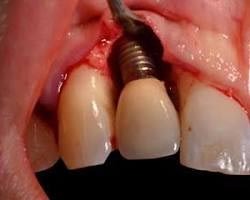
Gum swelling around a dental implant is often linked to plaque buildup, poor oral hygiene, or post-surgical irritation. This inflammation, called peri-implant mucositis, can progress to peri-implantitis, leading to bone loss and weakening of the implant. To prevent these complications, regular use of the Aquolab ozone water flosser and Aquolab ozone toothpaste helps reduce bacteria, purify tissues, and support gum healing.
Bleeding gums: a warning sign not to be ignored
Bleeding gums around an implant usually indicate inflammation caused by bacteria, microorganisms, improper brushing, or persistent food deposits. Without intervention, this can compromise implant stability and lead to chronic pain or infection. Rigorous oral hygiene is essential: the Aquolab ozone water flosser thoroughly cleans the peri-implant spaces, while Aquolab ozone toothpaste promotes a healthy and protective oral environment.
How to clean dental implants at home?
A well-maintained dental implant retains its natural and harmonious appearance for longer. Healthy, inflamed gums prevent gum recession, which can detract from the aesthetics of the smile and lead to progressive gum loss.
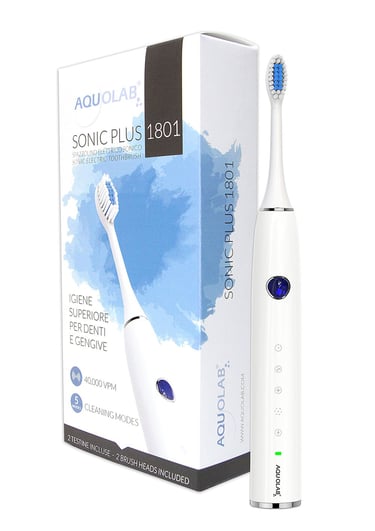
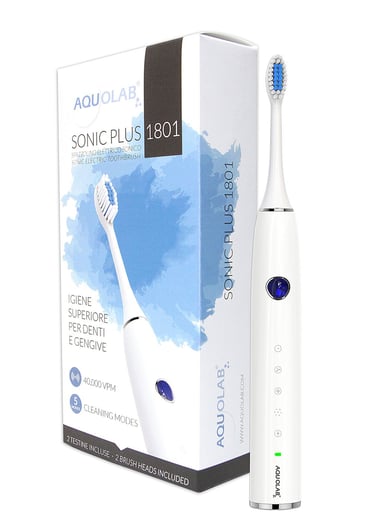
Best sonic toothbrush for dental implants : Aquolab 1801
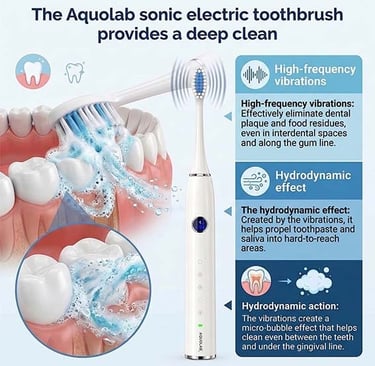
Opt for sonic toothbrushes for their precise cleaning and gentleness. Thorough, surgical brushing effectively limits plaque buildup around implants and sensitive gums.
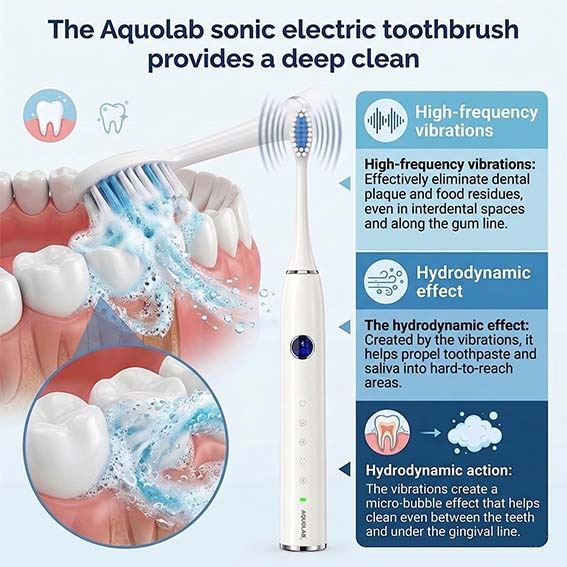
The AQUOLAB Sonic 1801 toothbrush is the essential technological tool to guarantee the longevity of your implants. Thanks to its high-frequency vibrations, it generates a hydrodynamic movement that propels fluids and toothpaste into the most inaccessible areas, effectively eliminating bacterial biofilm under the gum line to prevent peri-implantitis. Its smooth, frictionless vertical sweeping action cleans deeply while respecting the fragility of the peri-implant mucosa, thus preventing gum recession. Equipped with adjustable modes (including a post-surgical sensitive mode) and premium soft bristles, it offers customized care that protects your crowns and promotes healthy gums without any harshness.
The UFSBD recommends using an electric toothbrush to improve plaque removal while respecting the gums and peri-implant tissues. It is particularly recommended for maintaining good oral health and facilitating regular, precise, and effective daily brushing.
Best toothpaste for dental implants | non abrasive toothpaste for implants
Use a non-abrasive toothpaste designed for sensitive or inflamed gums.
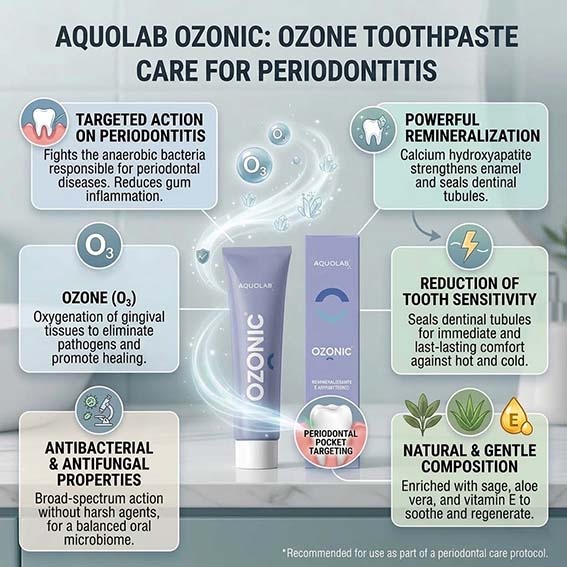
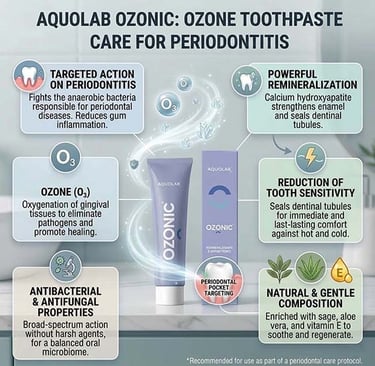
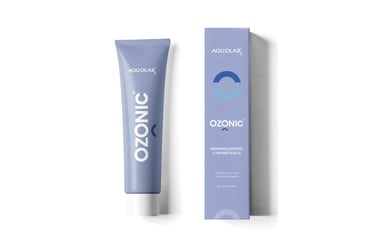
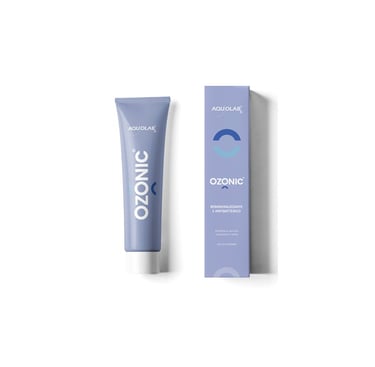
Ozone toothpastes, such as Ozonic, are ideal for perfect disinfection and remineralization, while preserving peri-implant tissues.
AQUOLAB OZONIC toothpaste is the ideal partner for preserving your dental implants. Thanks to the combined action of active ozone and sage, it effectively eliminates bacterial biofilm and reduces inflammation, thus offering targeted protection against peri-implantitis (the infection that threatens the bone and gums around the implant). Enriched with hydroxyapatite, it remineralizes adjacent teeth while respecting the fragility of peri-implant tissues thanks to its gentle formula, free of harsh foaming agents (SLS). It is the essential professional care to guarantee the longevity and health of your implant smile.
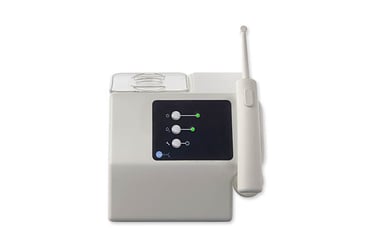
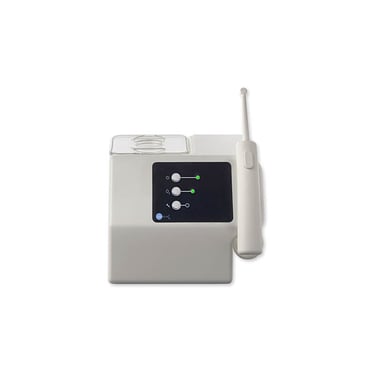
Best water flosser for dental implants : Aquolab
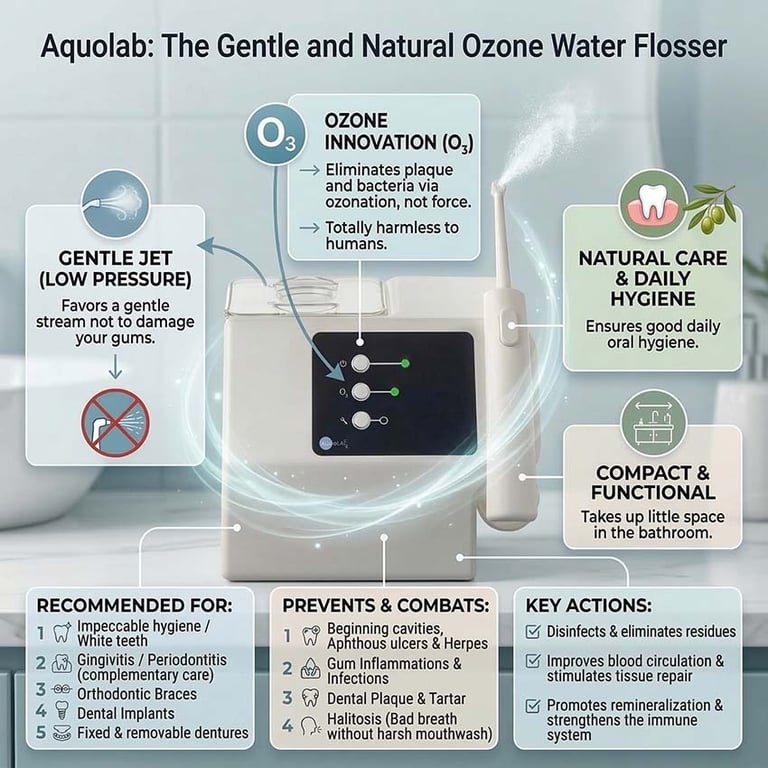
Why use it? The water jet effectively removes food debris and plaque from hard-to-reach areas, such as between implants and under the gum line.
Usage tip: Opt for a low-pressure water flosser, ideally enriched with ozone, for its disinfectant and antibacterial properties. It helps prevent tartar buildup and reduces the risk of inflammation of peri-implant tissues.
A four-year study highlights the importance of preserving bone after tooth extraction to ensure stronger, more durable, and aesthetically pleasing implants. It also underscores the essential role of rigorous hygiene in implant success. Thanks to its disinfectant action, Aquolab ozonated water helps reduce bacteria, microorganisms, and dental plaque, while promoting better healing of peri-implant tissues. Used before the procedure and then during the weeks following implant placement, it helps ensure the safety of the treatment, limit the risk of inflammation, and maintain long-term oral health for a natural and stable smile. Source: 2018_08_21_Marconcini_et_al-2018-Clinical_Implant_Dentistry_and_Related_Research-OK
The delicate use of interdental brushes and dental floss
Targeted areas: Dental floss is used to clean the narrowest spaces, while interdental brushes are useful for wider spaces.
Caution: Handle gently to avoid irritating or injuring the gum around the implant. Use a low-pressure ozone water flosser to avoid damaging your gums or the prosthetic abutment.
Regular follow-up with the dentist
Recommended frequency: One to two times a year minimum, depending on your situation.
Objective: These consultations allow for a check of the implant, the prosthetic abutment, the crown on the implant and the dental prosthesis, as well as a professional cleaning and the early detection of any anomaly.
Mistakes to avoid to preserve your implants
Brushing too aggressively: It can damage the peri-implant tissues around the implant.
Neglecting interdental areas: These are areas prone to plaque accumulation.
Relaxation after placement: Dental implant hygiene must remain a priority throughout life.
Neglecting gum health: Poor oral health promotes inflammation and implant loosening.
Dental implant healing and lifespan
How long does it take for a dental implant to heal?
The healing time for a dental implant generally varies between 2 and 6 months. This period allows for osseointegration, that is, the fusion of the implant with the bone. It depends on bone quality, oral health, and adherence to the post-operative recommendations given by the dentist.
What is the average lifespan of a dental implant?
The lifespan of a dental implant is generally 15 to 25 years, or even longer with rigorous hygiene and regular checkups with the dentist. Its longevity depends on bone quality, lifestyle (smoking, bruxism), and appropriate daily care to prevent any peri-implant inflammation.
In summary, dental implant hygiene is a daily commitment to preserving your oral health.
A dental implant can last a lifetime provided you maintain impeccable hygiene. This involves rigorous daily cleaning, using appropriate tools (soft brush, ozone water flosser), and regular visits to the dentist. Taking care of your implants, implant crowns, or dentures means preserving your oral health, comfort, and smile over time.
Continue reading...
© 2024. All rights reserved.