hygiene-precision: distributor of Aquolab products





Receding gums treatment
Are your teeth loose or your gums receding? Discover the causes of gum recession, the warning signs, and our prevention tips (sonic toothbrush, ozone) to save your teeth. Stop gum recession.
This article was written by the Hygiène Précision team, based on scientific data and rigorous clinical studies. Updated on 24/09/2026
3/2/20268 min read
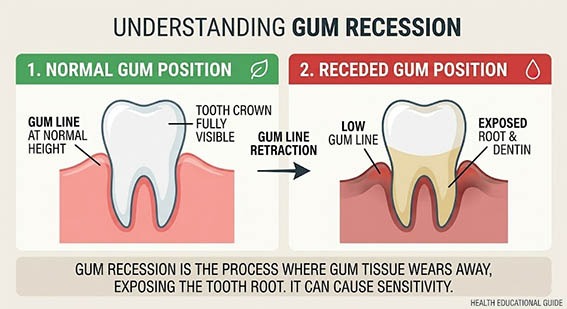
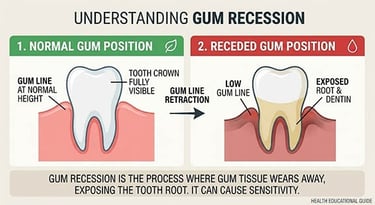
Receding gums or gum recession is a common, often underestimated oral health problem that can lead to tooth loss if left untreated. This phenomenon, also known as gum recession or periodontitis, affects many people, sometimes from a young age. In this comprehensive article, we explain why teeth become loose, how to prevent it, and what treatments are available, including innovative solutions like Aquolab ozone products.
This article contains the following:
Receding gums | Gum recession meaning
Gum recession, also known as receding gums, is a gradual process in which the gum tissue surrounding the tooth pulls down or shrinks. This phenomenon is not merely a cosmetic issue; it is a clinical sign of weakened support for your teeth.
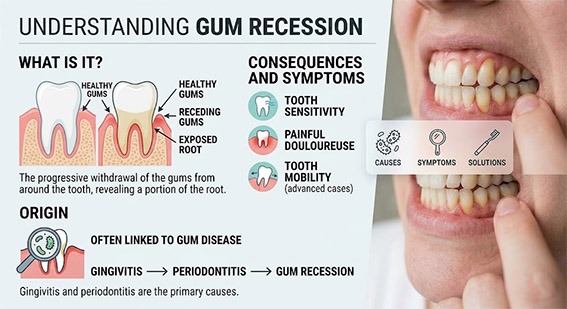
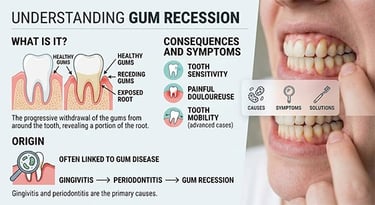
Receding gums stages
The mechanisms of retraction
In practical terms, when you have receding gums, the edge of the gum tissue pulls away from the crown of the tooth (the visible, enameled part). This recession eventually exposes the root. Unlike the crown, the root is not protected by enamel, but by cementum, a much thinner and more sensitive layer. This explains why gum recession is often accompanied by sharp pain when exposed to hot or cold.
From gum disease to bone loss
Gum recession unfortunately doesn't stop at the soft tissues. In most cases, particularly in periodontitis, gum recession is a direct consequence of underlying bone loss.
Dental plaque and tartar accumulate under the gum line.
The bacteria cause inflammation that gradually destroys the alveolar bone (the bone that holds the tooth).
Having no more bone support to rely on, the gum "follows" the level of the bone and recedes.
Without prompt intervention and precise hygiene, this process can lead to tooth mobility, or even premature loss, as the very foundations of your smile disappear.


Receding gums symptoms
Gum recession doesn't happen overnight. It's a slow process, often painless at first, which makes it all the more dangerous. Learning to identify the warning signs your mouth sends is crucial for taking action before it's too late.
Bleeding gums: the first warning sign
Contrary to popular belief, it is never normal for gums to bleed when brushing or flossing. Healthy gums are pink and firm. If they bleed, it means they are inflamed (gingivitis). Without corrective action, this inflammation can spread to the supporting tissues and mark the beginning of gum recession.
An unusual sensitivity to cold and heat
If you experience increasing sensitivity to hot or cold, it could indicate that the root of your tooth is becoming exposed. Unlike enamel, the root is not protected against temperature changes. This gum recession exposes the dentin, causing unpleasant sensations when consuming cold drinks or coffee.
The feeling that your teeth are moving
This is the most advanced and worrisome stage. If you feel your teeth loose or shifting slightly (new spaces appearing between them), it means the bone supporting the root has already begun to resorb. A loose tooth is a periodontal emergency requiring immediate attention to prevent permanent tooth loss.
Other signs that should alert you:
The visual lengthening of the teeth: Your smile appears "longer" because the gums are raised.
Persistent bad breath: Often linked to the presence of bacteria nestled in periodontal pockets.
Redness or swelling: Bright red or swollen gums are a sign of an active fight against a bacterial infection.
Tip: Don't confuse temporary sensitivity with gum recession. If these symptoms persist for more than two weeks, a review of your brushing technique and a periodontal assessment are strongly recommended.
Receding gums causes
Gum recession, or receding gums, is not an inevitable consequence of aging. It's a multifactorial process where the gums pull back, exposing the tooth root. Understanding the cause of this phenomenon is the first step to halting its progression and preserving your dental health.
Periodontitis and dental plaque
The main cause of gum recession is bacterial. Every day, a thin film called dental plaque builds up on your teeth. If it is not effectively removed, it mineralizes to become tartar .
Inflammation: Tartar gets under the gum, causing gingivitis (redness, bleeding).
Bone destruction: Without intervention, gingivitis progresses to periodontitis. Bacteria then attack the periodontium (the supporting structure of the teeth). The bone resorbs, the gums follow the bone's movement and recede: this is gum recession.
Did you know? Once bone is lost, the gums can no longer regenerate naturally. Using an ozone water flosser is crucial here to neutralize the anaerobic bacteria lodged in the periodontal pockets.
Traumatic (overly aggressive) brushing
Paradoxically, trying too hard can damage your smile. "Traumatic" brushing is a major mechanical cause of gum recession, even in a healthy mouth.
Excessive pressure: Using a hard-bristled toothbrush or applying too much pressure literally "wears down" the gum tissue.
Inappropriate movement: Vigorous horizontal brushing acts like a saw on thin gums.
The solution: Opt for a sonic toothbrush. Its technology disrupts dental plaque through micro-vibrations without the need for pressure, thus protecting the epithelial border of your gums.
Aggravating factors: tobacco, stress and diabetes
While hygiene is the central pillar, other systemic factors act as accelerators of shoe loosening:
Tobacco: It's the number one enemy of the periodontium. Nicotine reduces blood flow to the gums. As a result, they heal poorly, are less able to defend themselves against infections, and, in a dangerous trap, they stop bleeding , thus masking the urgency of the situation.
Diabetes: There is a bidirectional link between diabetes and periodontitis. High blood sugar levels promote the development of oral bacterial infections, which in turn disrupt blood sugar balance.
Stress: By weakening the immune system, chronic stress makes the body less able to fight oral bacteria. Furthermore, it is often linked to bruxism (teeth grinding), which exerts excessive mechanical forces that accelerate bone loss.
Can you reverse receding gums?
In most cases, not naturally: once gum tissue has receded, it does not usually grow back on its own, but treatment can stop the recession from getting worse and reduce sensitivity or exposed-root problems. Good oral hygiene, professional cleaning, and addressing the cause early are important, and in more advanced cases a dentist or periodontist may recommend procedures such as gum grafting to cover exposed roots and protect the teeth.
Receding gums treatment
Receding gums treatment depends on the cause and severity of the recession, but the main goal is to stop it from getting worse and protect the exposed tooth roots. In milder cases, dentists may recommend nonsurgical care such as scaling and root planing, topical antibiotics, antimicrobial mouth rinses like ozoned water, dental bonding, or orthodontic treatment if tooth position is contributing to the problem; in more advanced cases, gum graft surgery is often the most predictable long-term option because receding gums do not grow back on their own. Good daily oral hygiene, a soft-bristled toothbrush, and regular dental visits also help reduce the risk of further recession and support long-term periodontal health.
How to stop gum recession naturally?
While it's impossible to regrow lost bone or gum tissue without surgery, it is entirely possible to halt the progression of gum recession by adopting targeted practices. The goal is simple: eliminate the bacteria responsible for inflammation to allow the gum tissue to strengthen around the tooth.
Receding gums treatment at home
The foundation of all natural prevention lies in impeccable oral hygiene. Since gum recession is primarily caused by the accumulation of bacterial plaque, your daily routine is your best ally:
Gentle brushing: Use a soft-bristled toothbrush or, ideally, a sonic toothbrush. This technology removes plaque thoroughly without the abrasive effect of vigorous manual brushing, which can damage the gums.
Interdental cleaning: Brushing alone only cleans 60% of the tooth surface. Using interdental brushes or a water flosser is essential to reach the areas where gum recession often begins.
Natural sanitation: The use of solutions such as ozonated water or certain natural mouthwashes (based on bicarbonate or targeted essential oils) helps to reduce bacterial load without disrupting the oral microbiome.
Receding gums professional descaling
You can't treat receding gums at home if tartar has already built up. Professional scaling, performed once or twice a year by your dentist, is the only way to remove subgingival tartar.
Tartar acts like a veritable "breeding ground for bacteria" that your toothbrush can't reach. Once this cleaning is done, your at-home care becomes truly effective: the gums, freed from this constant irritation, can finally begin their healing process and stop receding.
Precision Tip: Stopping gum recession is a marathon, not a sprint. By combining high-tech brushing with regular checkups, you can stabilize your periodontal health for many years to come.
Preventing receding gums|Receding gums treatment at home
To halt the progression of gum recession, the traditional approach is no longer sufficient. It's necessary to adopt a precision hygiene routine capable of eliminating bacterial biofilm without damaging already weakened tissues. Here are the two key technologies for long-term gum protection. Hygiene-precision.com propose you the best solutions for receding gums:
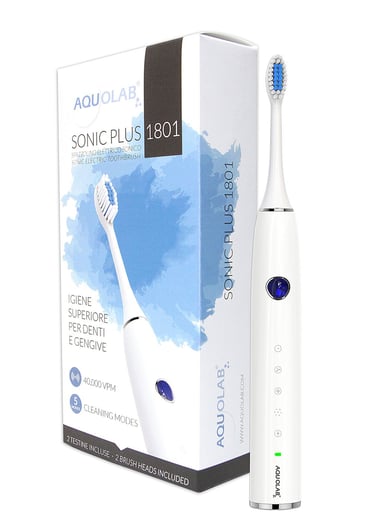
Sonic toothbrush for receding gums
Traditional manual or rotary brushing is often too abrasive: excessive pressure accelerates gum recession. Sonic technology revolutionizes gum recession prevention with its unique mode of action.
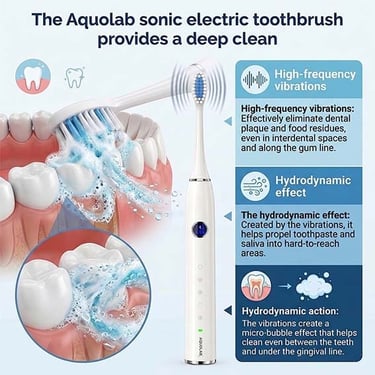
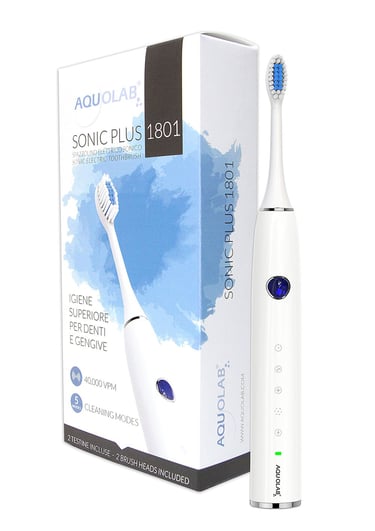
Non-traumatic action: Unlike rotating brush heads that work through mechanical friction, the sonic brush generates high-frequency vibrations (up to 40,000 movements per minute). It cleans without the need for pressure.
Hydrodynamic cleaning: Vibrations create microbubbles capable of penetrating interdental spaces and under the gingival margin, where brush bristles cannot reach.
Result: You eliminate up to 10 times more dental plaque while providing a stimulating massage to your gums, thus promoting better tissue vascularization.
Ozonated water flosser for receding gums
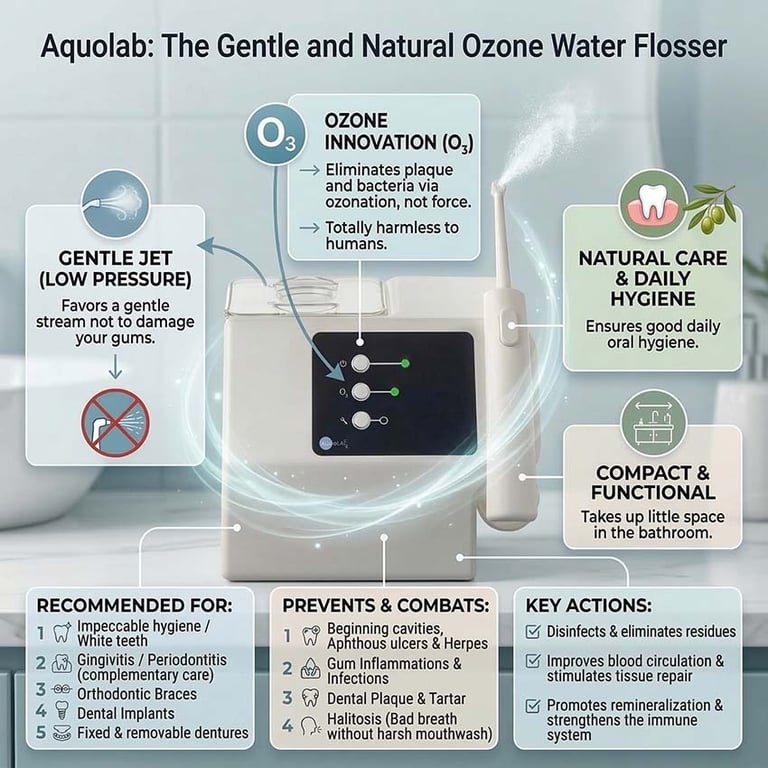
When gum recession begins, "pockets" form between the tooth and the gum, becoming veritable breeding grounds for anaerobic bacteria that are inaccessible to brushing. Using a water flosser, such as the Aquolab home, which propels ozonated water, is the cutting-edge solution for sanitizing these critical areas.
A powerful natural disinfectant: Ozone ( O₃ ) is one of the most effective antimicrobial agents in the world. In seconds, it eliminates the bacteria, viruses, and fungi responsible for periodontal inflammation, without the unpleasant side effects of chemical mouthwashes (tooth staining, destruction of beneficial flora).
Targeted deep action: The water flosser delivers ozonated water directly into the periodontal pockets. This irrigation stops the infection at its source and reduces tissue inflammation.
Accelerated healing: In addition to disinfecting, ozone boosts oxygenation of gingival tissues, promoting faster regeneration and firmer gums, better "attached" to the tooth.
Expert opinion: Combining the gentleness of sonic technology with the sanitizing power of ozonated water is currently the most effective at-home protocol to help stabilize a loose foot.
Aquolab ozone therapy effectively complements conventional dental cleaning by rapidly reducing the bacteria responsible for gum disease. Simple, safe, and cost-effective, it promotes the natural and long-lasting healing of gum tissues. For more informations 2015_05_Aquolab_Journal of Oral Sciences, PMC





Continue reading...
© 2024. All rights reserved.