hygiene-precision: distributor of Aquolab products





Nicotine pouches side effects
Nicotine pouches side effects on teeth and gums: irritation, retraction, and oral risks. Discover how to protect your smile every day.
This article was written by the Hygiène Précision team, based on scientific data and rigorous clinical studies. Updated on 03/09/2026
5/6/20268 min read

Oral nicotine pouches (ONP), sometimes referred to as nicotine “pellets” or “portions” when presented in small units, are placed under the lip and release nicotine through the oral mucosa. Their popularity has increased rapidly in recent years, promoted as a combustion-free alternative to smoked tobacco. But what is their real impact on oral health, particularly on teeth, gums, and oral mucosa? This article reviews current scientific knowledge, synthesizes plausible pathophysiological mechanisms, and highlights existing research gaps.
This article contains the following :
Nicotine pouches side effects long-term
Long-term use of nicotine pouches may have harmful effects on your oral health, even though these products do not contain tobacco leaf or produce smoke. Repeated exposure to nicotine can impair blood flow, delay tissue healing, and increase the risk of gum inflammation and periodontal disease.
Effects on Gums and Supporting Tissues
Nicotine can alter the normal function of gingival fibroblasts, the cells responsible for repairing and maintaining gum tissue. It may also reduce collagen production and weaken the body's immune response, making the gums more vulnerable to infection and slowing healing after injury or dental treatment.
Long-Term Changes to the Oral Mucosa
Keeping a nicotine pouch against the same area of the gums for extended periods exposes the oral tissues to high concentrations of nicotine and other ingredients. Over time, this may cause white patches, irritation, mouth ulcers, thickened tissue (hyperkeratosis), burning sensations, or dry mouth. The risk of these changes increases with frequent and prolonged use, especially when the pouch is placed in the same location repeatedly.
Nicotine pouches gum damage
Beyond their impact on teeth, the most direct form of nicotine pouch gum damage involves structural tissue changes, most notably gingival recession and attachment loss at the site of placement.
Gingival recession and attachment loss
Studies on snus (a tobacco-based product placed under the lip like a pouch) show a concerning signal: an association between long-term use and localized gingival recession (retraction of the gum exposing the tooth root). Although specific evidence for tobacco-free nicotine pouches (ONP) remains limited, several recent studies report signs of gingival recession and irritation in exclusive nicotine pouch users or in individuals who replaced snus with nicotine pouches. A large Norwegian population-based study and Scandinavian research document a higher prevalence of gingival recession at sites where the product is placed. sciencenorway.no
Mucosal lesions (ulcers, erythema, keratosis)
Reviews and case studies have reported mucosal lesions ranging from transient irritation to persistent white plaques or ulcerations at the contact site with the pouch. Some studies note that these lesions may regress if the user stops placing the product in the same location or discontinues use entirely. However, there are theoretical concerns regarding chronic irritation (repeated chemical/physical trauma) and a potential—though not robustly demonstrated for ONP, risk of progression toward dysplastic or malignant lesions over the long term; therefore, the literature recommends cautious monitoring. BioMed Central
Nicotine pouches effects on teeth
While nicotine pouches eliminate tobacco combustion, their effects on teeth frequently manifest through reduced salivary flow, directly linking oral dryness to an increased risk of dental caries.
Dental caries and oral dryness
Several sources indicate that oral dryness (xerostomia) is a reported effect among some nicotine pouch users. Reduced salivary flow increases caries risk and promotes a more cariogenic oral microbiome. Additionally, keeping a pouch in the mouth for hours may alter local hygiene (plaque accumulation), especially if the user neglects brushing or consistently places the pouch in the same location. These mechanisms suggest an indirect increased risk of caries and periodontal problems. PMC
Is gum recession from nicotine pouches reversible?
In most cases, gum recession caused by nicotine pouches is not reversible. Once gum tissue has receded, it does not grow back naturally. However, stopping the use of nicotine pouches can prevent further damage and reduce inflammation, allowing the gums to heal. If recession is detected early, good oral hygiene and professional dental care may help stabilize the condition. In more advanced cases, treatments such as gum graft surgery may be needed to restore lost gum tissue. If you notice receding gums, tooth sensitivity, or exposed tooth roots, consult your dentist as soon as possible.
How to prevent gum recession from nicotine pouches ?
To prevent gum recession caused by nicotine pouches, you need a combination of habit modification (to stop localized mechanical and chemical trauma) and targeted oral hygiene (to protect tissue health and manage bacteria).
Here is a comprehensive breakdown of the most effective prevention strategies:
Physical & Habit Modifications
Rotate Placement Sites: Constantly placing a pouch in the exact same spot leads to chronic friction and localized vasoconstriction (reduced blood flow), which directly triggers gingival recession. Switch between different upper and lower quad quadrants throughout the day.
Limit Contact Time: Remove the pouch after 20–30 minutes rather than leaving it parked against your gums for hours.
Choose Lower Strength / Less Alkaline Pouches: Higher nicotine concentrations and added pH adjusters (alkali like sodium carbonate) cause stronger chemical irritation to the delicate mucosal tissue.
Stay Hydrated: Nicotine causes oral dryness (xerostomia). Saliva is your mouth’s natural defense mechanism against bacterial plaque and acid; drink water frequently while using pouches to keep tissues moist.
Advanced Hygiene Techniques
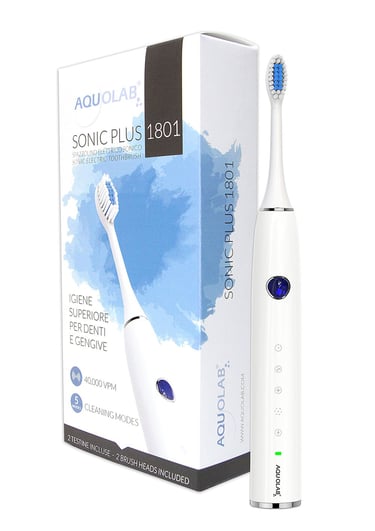
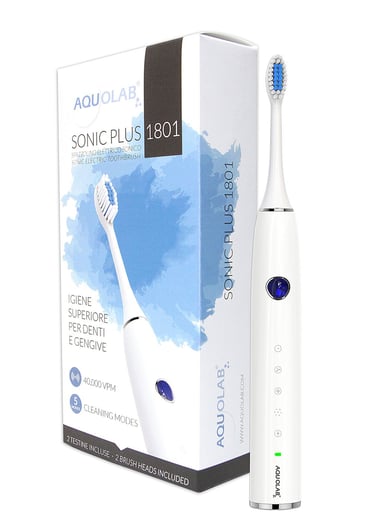
1.Switch to a Sonic Toothbrush : Daily cleaning.
Standard manual brushing can cause abrasive wear on fragile, irritated gums. Sonic toothbrushes use fluid dynamics and fast up-and-down micro-vibrations to clear plaque near the gumline without harsh physical scrubbing.
2.Use Soothing / Antimicrobial Toothpaste : Morning & night.
Opt for formulas designed for gum care (such as ozonated or hyaluronic acid-enriched toothpastes). These help lower bacterial load and promote the healing of minor mucosal irritations before they turn into permanent recession.
3.Incorporate Water Flosser : Post-pouch care.
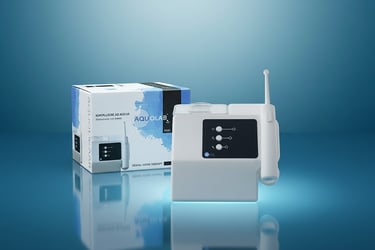
An oral irrigator (water flosser) flushes out pouch residue and plaque trapped between the teeth and under the gumline where pouches sit without the mechanical abrasion that regular floss can sometimes cause on inflamed gums.
Key Clinical Facts
Important Note: Once gum tissue has receded (gingival recession), it does not grow back naturally. Prevention focuses entirely on stopping further attachment loss. If you notice persistent white patches (leukoplakia), deep gum pockets, or exposed tooth roots, schedule a dental check-up promptly. Complete cessation of nicotine products remains the only guaranteed way to eliminate these risks entirely.




Comparison with other forms of nicotine (snus, NRT, cigarettes)
When evaluating the comparison with other forms of nicotine (snus, NRT, cigarettes), the most direct contrast lies in snus vs. tobacco-free pouches, as both share similar placement habits but differ significantly in their chemical makeup.
Snus vs tobacco-free pouches
Snus (a moist tobacco pouch) has long been studied and is associated with local mucosal lesions and gingival recession. Tobacco-free nicotine pouches (ONP) contain nicotine but usually fewer combustion-related compounds; some studies suggest that ONP may cause oral effects similar to snus (local lesions, irritation), although their chemical profiles differ between brands (presence of alkali, flavorings, and sometimes other compounds detected by chemical analysis). Direct epidemiological data comparing long-term risks of tooth loss or oral cancer remain insufficient. sciencenorway.no
Nicotine replacement therapy (gums/patches)
Approved nicotine replacement therapy (NRT) products used for smoking cessation (gums, lozenges, inhalers) have a well-established safety profile; they may cause minor oral effects (aphthous ulcers, irritation) but are used at controlled doses and under medical guidance. Commercial ONP sometimes contain nicotine doses equal to or higher than standard gums and are used without supervision, leading to greater local exposure and potentially increased irritation. Nature
Quality of evidence and current limitations
Evaluating the quality of evidence and current limitations surrounding nicotine pouches reveals a evolving research landscape, best understood by examining what recent systematic reviews report regarding local mucosal risks and long-term data gaps.
What recent systematic reviews report
Systematic and narrative reviews published over the past 2–3 years conclude that there is evidence of local effects (irritation, ulceration, recession), but that the literature is still immature: short study durations, frequent reliance on self-reported data, small case series, and a lack of robust independent longitudinal studies. Several reviews call for longer studies with standardized clinical examinations, histology when appropriate, and controls for prior smoking. Consequently, conclusions remain cautious: a plausible risk of oral effects exists, but the magnitude and exact timeline require further research. PMC
Potential biases and industry influence
Some available data come from studies funded by the tobacco industry or manufacturers themselves, necessitating critical interpretation. Independent research, particularly from national cohorts (e.g., Scandinavian snus studies), provides stronger clinical signals. Clinicians should therefore combine caution with transparent communication when advising patients. Oxford Academic
Practical recommendations for patients and dental professionals
Implementing practical recommendations for patients and dental professionals begins with targeted guidance for users or patients considering nicotine pouches, focusing on injury prevention, symptom monitoring, and harm-reduction strategies.
For users or patients considering nicotine pouches
Keep the product moving: avoid placing it in the same location for prolonged periods to reduce local trauma. dentalcare.com
Monitor any local changes (pain, ulceration, white patches, recession) and consult a dental professional if they persist for more than two weeks. BioMed Central
If the goal is cessation, prioritize medically supervised NRT products (gums/lozenges) rather than unsupervised recreational use of nicotine pouches. Nature
For dentists and dental hygienists
Systematically ask patients about nicotine pouch/pellet use (type, frequency, placement site). PMC
Carefully examine mucosa at contact sites and measure gingival recession; document and monitor changes. PMC
Provide informed counseling on potential risks and propose harm-reduction strategies (regular repositioning, reduced frequency, cessation support via NRT and counseling). Ada
Conclusion
Nicotine pouches and “pellets” result in significant local exposure to nicotine and other compounds that may irritate the oral mucosa, promote local lesions, and contribute to gingival recession and impaired oral hygiene. Evidence consistently supports short-term oral effects (irritation, ulceration, dryness); data on periodontal consequences and long-term risks (including carcinogenic potential) remain insufficient and require independent longitudinal studies. In practice, it is reasonable to warn patients about these risks, examine and document placement sites, and encourage the use of proven, medically supervised NRT devices when the indication is smoking cessation. PMC
Selected references (recommended reading)
“What is the impact of nicotine pouches on oral health: a systematic review” — recent systematic review summarizing local effects. PMC
“Nicotine pouches: a review for the dental team” — British Dental Journal review article for dental clinicians. Nature
“Emerging Oral Nicotine Products and Periodontal Diseases” — review of mechanisms linking nicotine to periodontal disease. PMC
“Oral mucosal changes caused by nicotine pouches: case series” — case series reporting mucosal lesions and clinical recommendations. BioMed Central
Scandinavian epidemiological studies on snus and gingival recession — relevant comparative studies to understand localized risks. sciencenorway.no




Continue reading...
© 2024. All rights reserved.