hygiene-precision: distributor of Aquolab products





Smoking and periodontitis: how tobacco destroys your gums
Smoking promotes periodontitis by weakening your gums. Find out how smoking and periodontitis are related. Natural solutions exist to fight such as ozone with Aquolab care.
hygiene-precision.com
3/2/202610 min read
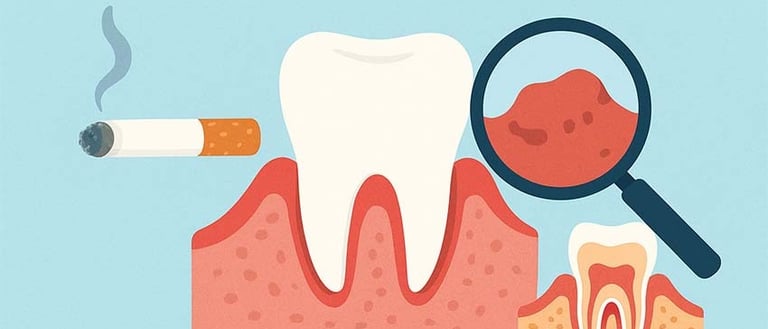
Tobacco: A Danger to Your Gums
Introduction
Smoking has many harmful consequences for overall health, and the oral and dental sphere is no exception. In particular, the link between smoking and periodontitis deserves to be well understood, as it is a frequent and often underestimated association. In this article, we will explain how tobacco contributes to the development of periodontitis, how to recognize the symptoms bleeding gums, bad breath, gum recession and what treatment and prevention strategies are available. Finally, we will see how innovative products such as those from the AQUOLAB range can support daily oral hygiene, especially for smokers.
Tobacco: A Major Risk Factor for Periodontitis
Tobacco and Gum Recession
Smoking and periodontitis are closely linked. Tobacco contributes to periodontitis through several substances and mechanisms: nicotine, toxic gases, reduced gingival blood flow, altered local immune response, and disruption of the oral microbiota.
The role of nicotine in gingival tissue degradation: nicotine causes vasoconstriction of the small blood vessels in the gums, reducing oxygen and nutrient supply and weakening gingival defense mechanisms.
Tobacco and alveolar bone loss: smokers experience faster bone loss around teeth affected by periodontal disease, which can lead to early tooth loosening.
Periodontitis in smokers vs. non-smokers: numerous studies show that smokers have a higher risk of developing severe periodontitis, and that passive smoking also represents a significant risk factor.
Tobacco and Periodontal Diseases: Symptoms to Recognize
Tobacco and Gum Infections
Smoking often prevents an obvious inflammatory response: paradoxically, in some smokers, gums do not bleed as much as expected because vasoconstriction limits bleeding. However, this does not mean there is no damage the gingival inflammation is present but less visible.
Tobacco and Bad Breath
Bad breath is a frequent symptom of chronic smoking, associated with alterations in the oral microbiota and the proliferation of anaerobic bacteria in periodontal pockets.
Tobacco and Early Tooth Loosening / Bone Loss
Smoking accelerates the destruction of the periodontal ligament and the alveolar bone supporting the teeth, which can lead to gum recession and increased tooth mobility.
Why Does Tobacco Damage the Gums?
Let’s take a closer look at the biology. The impact of tobacco on the oral microbiota is multifaceted: it alters bacterial plaque composition, promotes pathogenic bacteria, and disrupts the local immune response (smoking and periodontal immune response).
Smoking reduces the ability of neutrophils to migrate effectively and decreases the production of protective cytokines, weakening gingival defenses.
Tobacco also promotes the formation of biofilms that are resistant to mechanical brushing.
Tissue hypoxia caused by chronic vasoconstriction prevents proper healing and promotes the progression of periodontal lesions.
Tobacco and Periodontitis: Diagnosis, Treatment, and Prevention in Smokers
How to Recognize Periodontitis in a Smoker and Dental Care for Smokers with Periodontitis
For smokers, it is crucial to monitor the following signs:
Red, swollen gums that are receding
Bleeding during brushing or flossing (sometimes less visible in smokers)
Persistent bad breath
Tooth mobility, teeth shifting or spacing
X-rays showing bone loss around the teeth
Once the diagnosis is established (periodontal involvement), treatment of periodontitis in a smoker requires a thorough examination, scaling and root planing, and reinforced follow-up. One common question is: can periodontitis heal after quitting smoking? Yes smoking cessation improves treatment response and reduces the risk of recurrence.
Smoking Cessation and Improvement of Gingival Health
The most effective action is quitting smoking. When a patient stops smoking, improved gingival blood flow, recovery of local immune function, and better healing after treatment are observed. This helps stop the progression of periodontitis associated with smoking.
Tobacco and Dental Scaling: Preventing Periodontitis in Smokers
In smokers, the results of scaling are often less favorable than in non-smokers, but this does not mean the procedure is useless it remains essential. However, prevention must be reinforced:
Impeccable oral hygiene (brushing, oral irrigator, floss/interdental brushes)
Regular check-ups, often more frequent than for non-smokers
Dentist advice for smokers: education on the impact of tobacco, motivation to quit, and support for enhanced daily hygiene
Increased monitoring: measuring bone loss, pocket depth, and tooth mobility
Tobacco and Dental Pain
Smoking worsens dental pain by weakening the gums, reducing blood circulation, and promoting infections. It can sometimes mask pain, delaying diagnosis. As a result, cavities, gum recession, and inflammation progress more quickly, making treatments heavier and healing slower in daily life.
Tobacco and Periodontitis Treatment
Innovative Solutions: AQUOLAB Ozone-Based Products
Traditional oral hygiene tools remain essential, but complementary solutions are now available and can be particularly beneficial for smokers. Among them, the ozone-based product range from AQUOLAB deserves special attention.
Why Ozone?
Ozone (O₃) is a gas with well-documented antibacterial, antiviral, antifungal, anti-inflammatory, and immunomodulatory properties. Studies have shown that ozonated water irrigation can reduce Plaque Index (PI) and Bleeding on Probing (BOP) in patients, such as in clinical trials involving pregnant women.
The Aquolab device, which mixes ozone with water in a domestic or professional oral irrigator, is designed specifically to improve oral hygiene as a complement to brushing.
Key Products for Smokers
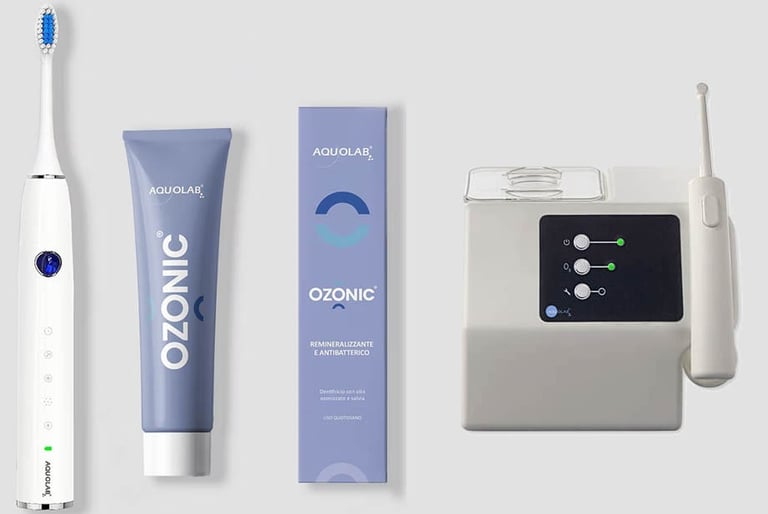
AQUOLAB Ozone Oral Irrigator
An ozonated water oral irrigator, recommended by dentists,
which helps disinfect the gingival area, reach periodontal pockets,
and limit bacterial proliferation. Ideal for smokers
who have an increased risk of gum disease.
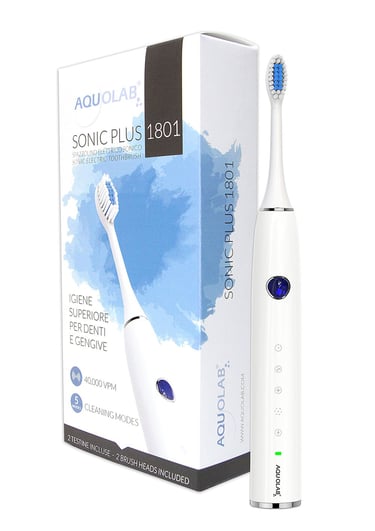
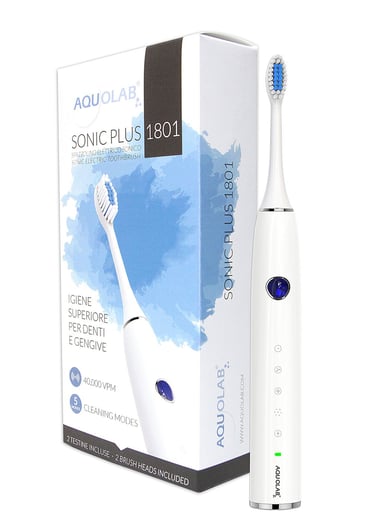
AQUOLAB Sonic Toothbrush
Combining a high-quality sonic toothbrush
with an oral irrigator enhances cleaning effectiveness,
especially for individuals exposed to risk factors such as smoking.
AQUOLAB OZONIC Ozone Toothpaste
A toothpaste enriched with ozonated oil,
designed to strengthen daily hygiene,
reduce inflammation, and support gum health.
AQUOLAB Gingivitis / Periodontitis Pack
A complete pack for those already showing signs
of gingivitis or periodontitis, combining
several Aquolab products.
Aquolab Ozone Products in the Daily Routine of Smokers
Here is how a smoker could structure daily oral hygiene while integrating these treatments:
Brushing morning and evening: use the Aquolab sonic toothbrush and Ozonic toothpaste
Ozonated water oral irrigator: once a day (preferably in the evening), after brushing, to clean interdental areas and gingival pockets, which are particularly exposed in smokers
Regular check-ups: visit the dentist or periodontist every 4–6 months and inform them about smoking habits to adjust follow-up
Smoking cessation: this remains fundamental without quitting or reducing tobacco, risks remain high despite optimal hygiene
Motivation & follow-up: combine these tools with a smoking cessation plan, psychological or medical support if needed
Benefits of Aquolab Care for Smokers
Improved oral hygiene: the ozonated irrigator enables deeper cleaning of periodontal pockets, areas often poorly cleaned
Reduction of gingival inflammation: ozone has anti-inflammatory and antibacterial effects
Better healing after periodontal treatment: ozone promotes improved tissue oxygenation
More targeted care for smokers: combining smoking cessation, reinforced hygiene, and targeted products helps reverse some of the damage
Prevention and slowed progression of periodontitis: regular use of an ozonated irrigator can be part of periodontal prevention in smokers
Conclusion & Practical Advice
Why Tobacco Damages the Gums: Summary
In summary, tobacco acts in several ways: it reduces blood supply, alters the local immune response, modifies the oral microbiota, and prevents gingival tissues from defending themselves properly. The result is an increased risk of chronic periodontal diseases, a clear link between smoking and gum recession, and faster progression of periodontitis in smokers.
Smoking Cessation + Reinforced Hygiene = Better Gingival Health
The most important step remains quitting smoking. Without it, the protective effects of oral hygiene are reduced. However, cessation must be combined with reinforced hygiene: brushing, oral irrigator, flossing, and ideally specialized products such as those from Aquolab.
Dentist Advice for Smokers
Stay informed: ask your dentist to measure bone loss and pocket depth and monitor them over time
Schedule more frequent check-ups: every 4–6 months instead of every 12
Ask for support to quit smoking: this is often the key to long-term oral health success
Use adapted products: for smokers, reinforced solutions (such as ozone-based products) can be a valuable complement
Monitor warning signs: persistent bad breath, receding gums, teeth that move or spread
Final Word
Smoking is a major factor in the onset and progression of periodontitis. But it is not inevitable. With appropriate care smoking cessation, reinforced daily oral hygiene, and targeted products it is possible to reduce risk, improve gingival health, and stop or slow disease progression.
Ozone-based products from the Aquolab range can be a valuable asset, but they do not replace regular dental consultations, professional treatment, and smoking cessation.






Continue reading...
© 2024. All rights reserved.