hygiene-precision: distributor of Aquolab products




Best electric toothbrush recommended by dentists
Discover how sonic toothbrush provide a deep clean of dental plaque. Benefits, how it works, and tips from dentists for a healthy smile.
This article was written by the Hygiène Précision team, based on scientific data and rigorous clinical studies. Updated on 04/09/2026
5/6/20264 min read
Taking care of your oral hygiene is no longer just a simple daily routine. Today, science and technology are making their way into our bathrooms to deliver results with medical precision. Among these innovations, the sonic toothbrush stands out as the gold standard for ensuring optimal teeth cleaning and gum health. Recommended by dentists, it far surpasses the performance of manual toothbrushes and traditional electric models.
Thanks to its unique high-frequency vibration technology, this vibrating toothbrush cleans where others stop, guaranteeing a bright smile and a healthy mouth.
This article contains the following:
Who can use particularly the sonic toothbrush according to dentists ?
FAQ – Everything you need to know about sonic toothbrushes


What is the best toothbrush recommended by dentist?
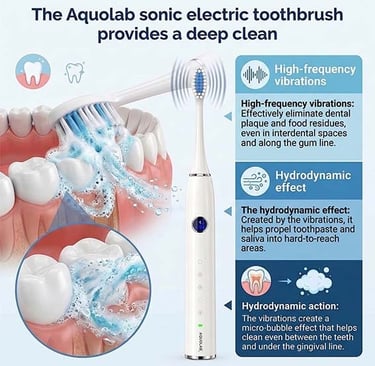
The sonic electric toothbrush is the best toothbrush recommended by dentists. This toothbrusch operates on a completely different principle than manual toothbrushes or rotary toothbrushes, which rely on direct circular mechanical friction.
The power of high-frequency vibrations
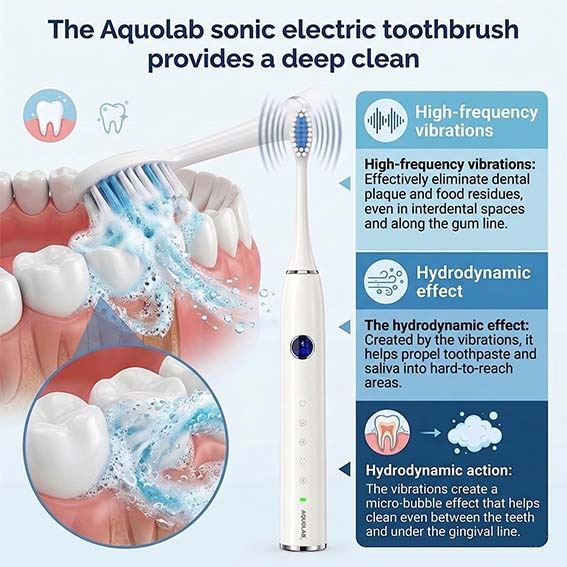
The sonic toothbrush uses a magnetic motor to oscillate its brush head up and down at dizzying speeds, reaching up to 62,000 movements per minute. This ultra-fast vertical vibratory sweep faithfully reproduces the ideal motion of manual brushing, but at a frequency impossible for humans to match.
The dynamic action of fluids
This is the true secret to deep cleaning. The extremely rapid movements of the brush agitate the liquids in the mouth (saliva, water, toothpaste) to create an emulsion of highly oxygenated microbubbles. This dynamic flow is forcefully propelled into the most inaccessible areas: clogged interdental spaces and subgingival sulcus. Food debris and bacterial colonies are thus dislodged without any mechanical damage.
Sonic toothbrush advantages: dentists reviews
Discover the 5 major advantages of the sonic toothbrush, a technology recommended by dentists.
Radical removal of dental plaque: Thanks to the combined effect of vibrations and micro-bubbles, sonic technology removes up to 10 times more dental plaque than a traditional brush, drastically reducing the risk of cavities and tartar buildup.
Absolute gentleness for sensitive gums and gingivitis: The vertical sweeping motion is inherently kind to soft tissues. By stimulating microcirculation through light massage, it soothes inflammation and helps stop bleeding associated with gingivitis.
Whitening effect and stain removal: The high-frequency action gently polishes the enamel surface. It visibly reduces superficial stains caused by coffee, tea, or tobacco, restoring teeth to their natural brightness.
Customized and personalized brushing: Equipped with multiple features, these models offer different modes adapted to everyone's needs : daily cleaning, gum care, "sensitive teeth" mode or polishing option.
Strict adherence to brushing time: An integrated smart timer segments the regulated 2 minutes of brushing into four 30-second intervals, telling you when to change oral quadrants for a perfectly even clean.
Who can use particularly the sonic toothbrush according to dentists ?
While a sonic toothbrush is suitable for anyone wishing to raise their hygiene standards, it proves indispensable for certain specific profiles:
Patients with periodontal disease, gingivitis, or sensitive gums.
For wearers of orthodontic appliances (braces), bridges or dental implants, where the fluid emulsion effectively cleans around the metal or ceramic structures.
For people with limited dexterity (children, the elderly), the brush performs the sweeping work completely autonomously.
Sonic vs. Rotating Toothbrush: which is better?
Choosing an electric toothbrush often comes down to two technologies. However, in terms of overall effectiveness and protection, sonic technology offers more significant scientific advantages than Rotating Toothbrush.
Dentists recommend sonic toothbrushes because they naturally apply the BRUSH method (Brushing from Red to Green, i.e., from the gum towards the tooth). Conversely, the circular mechanical action of a rotary toothbrush can tend to push bacteria under the gum line and irritate the gums if the pressure applied is too strong.
Best electric toothbrush for plaque removal
Finding the best electric toothbrush to remove plaque and tartar effectively is essential for maintaining optimal oral health and preventing long-term dental issues.
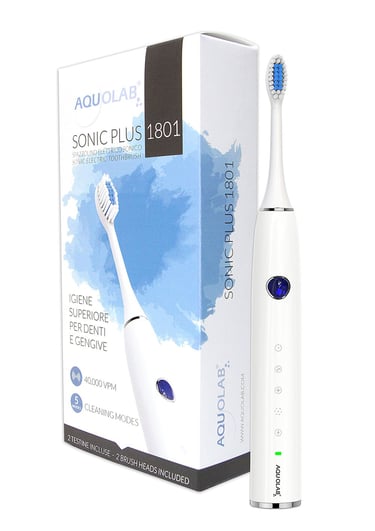
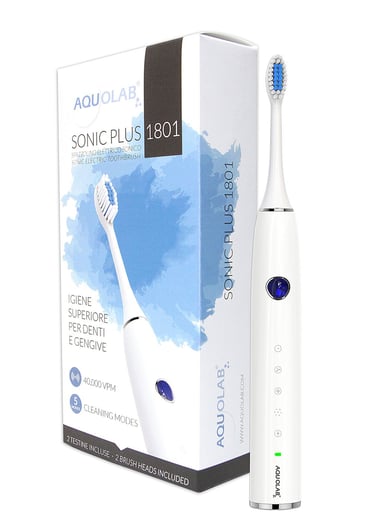
The best sonic toothbrush, Sonic 1801 by Aquolab
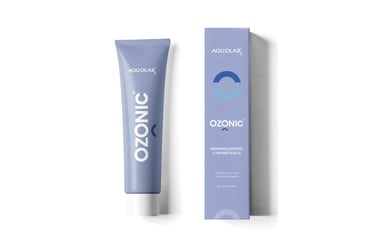
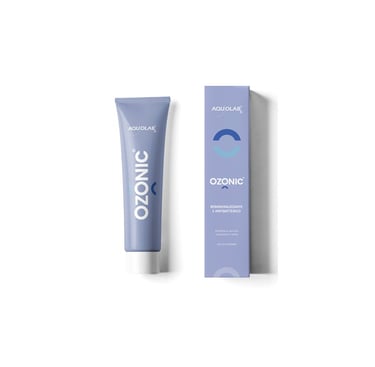
Many dentists recommend using a sonic toothbrush to remove dental plaque and tatar. The sonic toothbrush is gentle on teeth and gums. The Aquolab sonic toothbrush combines 40,000 vibrations per minute, five tailored brushing modes (Clean, Sensitive, Gum Care, White, and Polish), a two-minute timer, and the Quadpacer function, which helps clean every area of the mouth evenly. Its soft, rounded bristles are designed to provide a gentle clean, even for people with sensitive gums, implants, or braces. When used with proper brushing technique, it contributes to better daily oral hygiene and can be used with a suitable toothpaste, such as an ozone toothpaste, for a complete care routine. Aquolab products are already recommended by more than 350 dentists.
How to stop tartar and remove plaque without dentist: Aquolab water flosser for interdental clean.
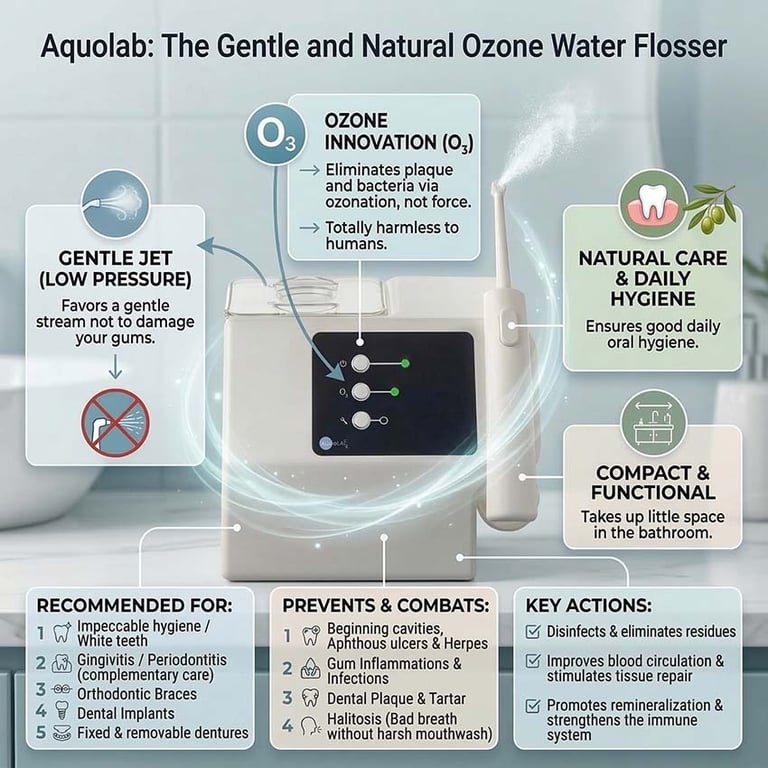
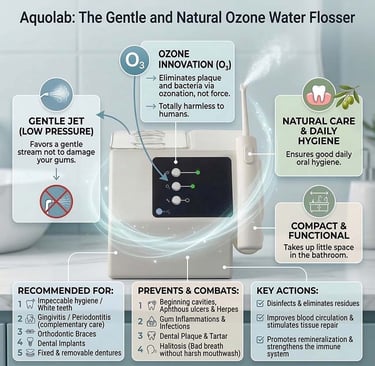
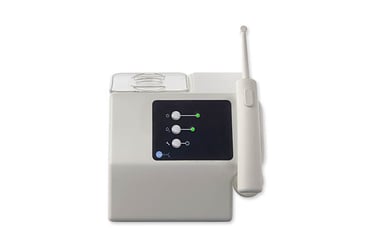
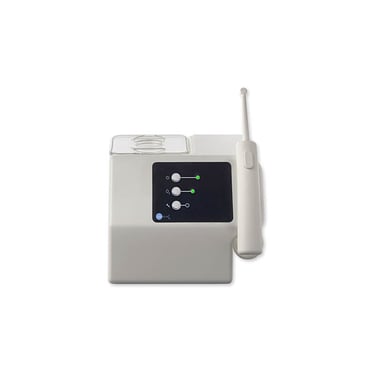
To maximize your interdental cleaning, incorporate the Aquolab water flosser. It uses the unique properties of active ozone dissolved in water to deeply purify the oral ecosystem. Ozone eliminates anaerobic bacteria responsible for tartar, bad breath, gingivitis, and periodontitis, while promoting gum oxygenation and healing. Its controlled water pressure ensures safe, professional-quality care at home.
Continue reading...
© 2024. All rights reserved.