hygiene-precision: distributor of Aquolab products




Dental Curettage: Procedure, Aftercare (Complete Guide)
Are you worried about having a dental curettage? Discover how the procedure will be carried out without stress, the post-operative care and our hygiene tips for your gums.
This article was written by the Hygiène Précision team, based on scientific data and rigorous clinical studies. Updated on 11/09/2026
5/6/20268 min read


Dental scaling and root planing, also called periodontal scaling and root planing, is an increasingly common treatment for gum disease and preventing tooth loss. This treatment is often recommended when traditional scaling and root planing is no longer sufficient to remove plaque and subgingival tartar. Discover in this comprehensive article everything you need to know about dental scaling and root planing, its cost, its after-effects, and how to optimize your oral hygiene with Aquolab ozone-based products.
This article contains the following:
Dental curettage meaning | root planing
Dental curettage is a procedure performed by a dentist or periodontist. It involves thoroughly cleaning the periodontal pockets located between the tooth and the gum in order to eliminate the bacteria responsible for inflammation.
Periodontal curettage vs. root planing: what's the difference?
Root planing aims to smooth the root of the tooth, while periodontal curettage also includes the complete cleaning of the periodontal pocket. The two techniques are often combined as part of a comprehensive periodontal treatment.


Types of curettage in dentistry
The type of dental curettage recommended depends on the severity of gum disease and the depth of the periodontal pockets. The main types include:
Subgingival curettage: Removes plaque, tartar, bacteria, and infected tissue from below the gum line to treat periodontal disease and promote gum healing.
Closed curettage: Performed without making an incision, this minimally invasive technique is suitable for shallow periodontal pockets and allows the dentist to clean the root surfaces using specialized instruments.
Open curettage (flap surgery): Involves making a small incision to lift the gum tissue and access deeper periodontal pockets. This method is recommended for advanced periodontal disease when a more thorough cleaning is required.
Root planing: Often performed alongside curettage, this procedure smooths the tooth root surfaces to help the gums reattach and reduce the risk of future bacterial buildup.


Why perform a dental curettage?
A dental curettage is recommended when gums are red, swollen, bleed easily, and when regular scaling is no longer sufficient. These signs often indicate ongoing periodontitis.
Dental curettage: how many sessions are needed?
The number of sessions depends on the stage of the disease. Generally, a complete curettage requires between one and four sessions depending on the number of quadrants to be treated.
Dental curettage procedure
Dental curettage is a non-surgical periodontal treatment designed to remove plaque, tartar, and bacteria from below the gum line. It is commonly recommended for patients with moderate to advanced gum disease to reduce inflammation, eliminate infection, and promote the healing of periodontal tissues. The procedure is typically performed in several stages to ensure thorough cleaning while keeping the patient as comfortable as possible.
Local anesthesia: a painless procedure.
Before the procedure, the dentist administers local anesthesia to ensure the patient's comfort. Many people wonder: "Is anesthesia necessary for dental scaling?" , the answer is yes, in most cases, to avoid any pain during the treatment.
Deep cleaning of periodontal pockets ( subgingival curettage) .
The dentist then performs a subgingival curettage, which is a cleaning below the gum line, where a toothbrush cannot reach. This step is essential to remove tartar deposits and bacteria.
Difference between closed curettage and open curettage
Closed curettage: performed without incision, when the periodontal pocket is shallow.
Open curettage: requires a small incision to access deeper pockets. It is a more invasive procedure but often necessary in advanced cases.
What to do after a dental curettage?
The success of a dental curettage procedure doesn't end at the dentist's chair. The healing phase is crucial for allowing the gum tissue to strengthen and reattach to the tooth root. To prevent reinfection of the periodontal pockets, your oral hygiene routine must be impeccable, yet gentle.
Which toothbrush after dental curettage should i use?
After the procedure, your gums will be temporarily more sensitive and may bleed slightly. Your choice of equipment is crucial:
Choose a softer toothbrush: It is essential to use one with extra-soft bristles (such as 15/100 or a post-operative brush). Bristles that are too hard could damage the healing tissues and worsen gum recession.
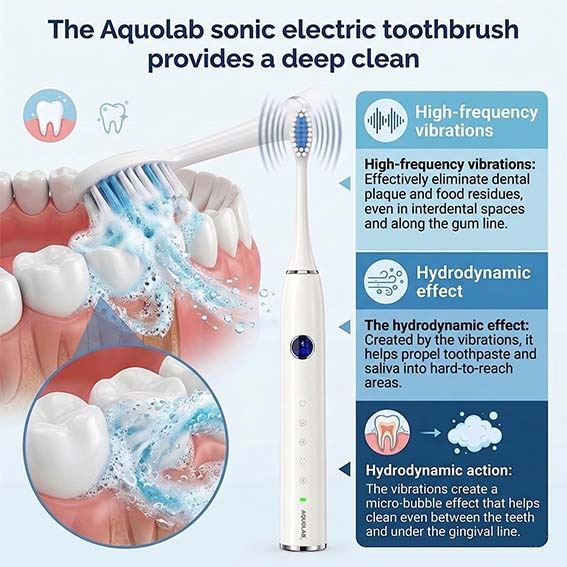
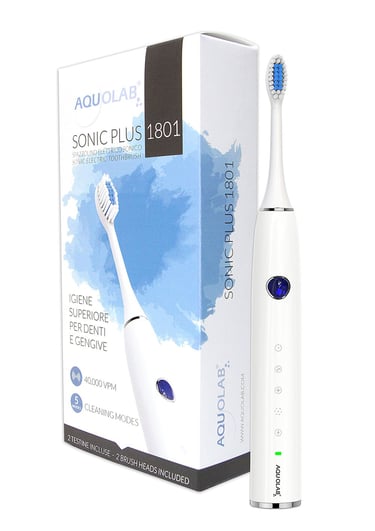
Sonic technology: If you are using an electric brush, sonic technology, such as that of Aquolab 1801, is often recommended for its hydrodynamic action which cleans without excessive friction.
The technique: Adopt the brushing method known as "from red to white" (from the gum towards the tooth) with a rolling motion, without ever applying strong pressure.
Which water flosser is the best after dental curettage?
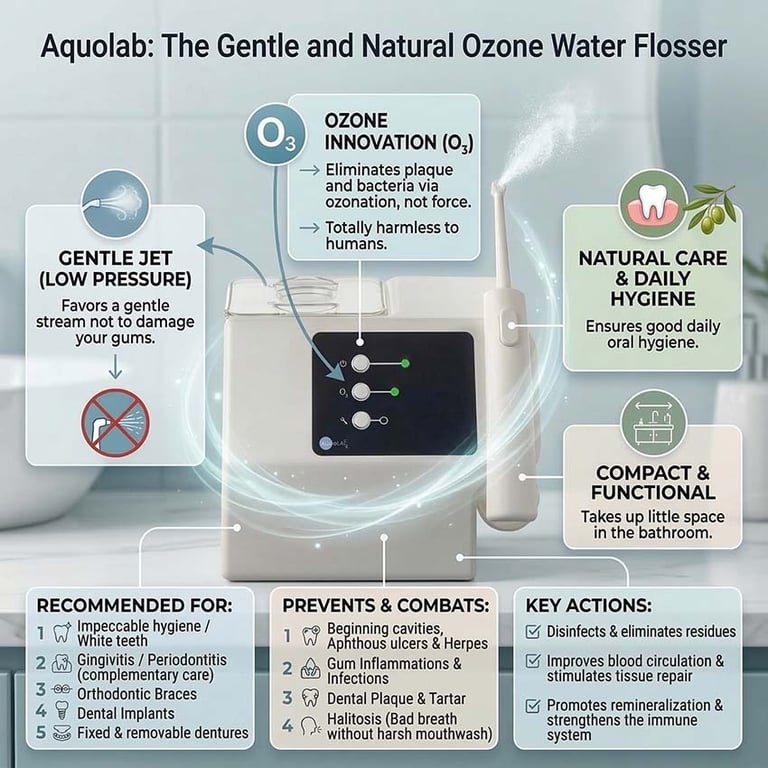
To clean areas inaccessible to regular brushing, using an ozone water flosser is a cutting-edge solution. Ozone is a powerful natural antibacterial and antifungal agent that promotes healing.
Deep disinfection: Ozonated water penetrates periodontal pockets to eliminate anaerobic bacteria that brushing cannot reach.
Tissue oxygenation: Ozone promotes blood microcirculation in the gums, thus accelerating the regeneration of healthy tissues.
Why choose a water flosser over floss and interdental brushes?
Although dental floss and interdental brushes are standard tools, they can be too abrasive immediately after scaling and root planing. This is why a water flosser is often preferable during the recovery phase:
Reducing micro-trauma: Dental floss can sometimes "click" and injure sensitive gums. In contrast, a water jet modulates the pressure for cleaning without painful mechanical contact.
Comfort in the face of sensitivity: Interdental brushes can irritate exposed tooth necks. A water flosser, especially when used with warm water, is gentler on post-operative hypersensitivity.
Overall cleaning: Where the brush cleans a specific spot, the water jet rinses the entire interdental space and massages the gum, stimulating keratinization (strengthening) of the mucosa.
Expert advice: For 15 days following your curettage, replace your usual interdental brushes with a thorough use of the ozone dental jet morning and evening to ensure a healthy, pain-free mouth.
How to limit dental tartar and gum inflammation after a dental curettage.
Aquolab ozone therapy, combined with dental scaling and root planing , makes treatment even more effective. A study conducted on 20 patients with chronic periodontitis showed that a single ozone application significantly reduced pathogenic bacteria, including Tannerella forsythia , without any side effects.
Simple, quick, and economical, ozone therapy complements traditional cleaning by promoting natural tissue healing and providing lasting improvements in gum health. Source : 2015_05_Aquolab_Journal of Oral Sciences
Regular checkups with a dentist: your insurance against recurrence
Dental scaling and root planing is not a permanent miracle cure, but rather a "fresh start" for your oral health. To prevent bacteria from recolonizing periodontal pockets, rigorous follow-up is essential.
Periodontal maintenance: After the procedure, your dentist will establish a schedule of specific visits (generally every 3 to 6 months). These maintenance appointments allow for verification that the gums remain well attached and for targeted professional cleaning.
Anticipating warning signs: Regular monitoring allows you to detect the slightest sign of re-inflammation (redness, slight bleeding) before it becomes a deep periodontitis again.
Stabilizing results: Since periodontal disease is a chronic condition, only constant monitoring, combined with daily use of your ozone water flosser, guarantees the stability of the alveolar bone and the long-term survival of your teeth.
Bonus fact: Regular periodontal maintenance is estimated to reduce the risk of tooth loss due to gum disease by more than 90%. Don't see these visits as a chore, but as a real investment in your smile.
How long does it take to recover from dental curettage?
The healing time after a dental scaling and root planing procedure generally varies between one and two weeks . During this period, the gums gradually heal, sensitivity decreases, and inflammation disappears. Rigorous oral hygiene and adherence to the dentist's advice promote optimal and lasting healing. The use of ozone treatments accelerates tissue healing. Ozone water flossers allow for better oxygenation and healing of the gums.
Is dental curettage painful?
Dental curettage is generally not painful because it is performed under local anesthesia, which numbs the treated area and prevents discomfort during the procedure. Patients may feel slight pressure or vibrations but should not experience pain. Once the anesthesia wears off, mild soreness, gum tenderness, or tooth sensitivity may occur for a few days. These temporary symptoms can usually be managed with over-the-counter pain relievers and by following the dentist's aftercare instructions. Most patients find that the benefits of reducing gum disease and preserving their oral health far outweigh the short-term discomfort.
What can i eat after dental deep cleaning?
After a dental deep cleaning, it is best to eat soft, easy-to-chew foods for the first 24 to 48 hours to avoid irritating your gums. Good options include yogurt, mashed potatoes, scrambled eggs, oatmeal, smoothies, soups (served lukewarm rather than hot), applesauce, and cooked vegetables. If your mouth is still numb from local anesthesia, wait until the numbness wears off before eating to prevent accidentally biting your cheeks or tongue. Avoid hard, crunchy, spicy, acidic, or very hot foods, as well as alcohol and tobacco, since they can delay healing and increase gum sensitivity. Drinking plenty of water and following your dentist's aftercare instructions will help your gums recover more quickly.
The benefits of Aquolab ozone products in preventing dental tartar
Aquolab ozone products represent a major advancement in oral hygiene. Thanks to their antibacterial and sanitizing properties, they enhance the effects of dental scaling and root planing and help maintain healthy gums.


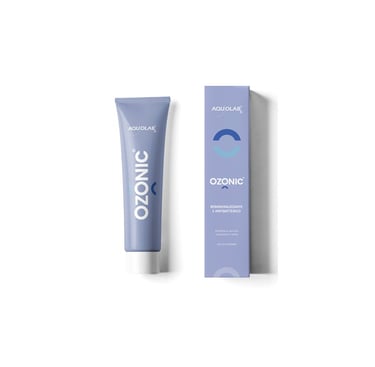
Ozonic, the ozone toothpaste
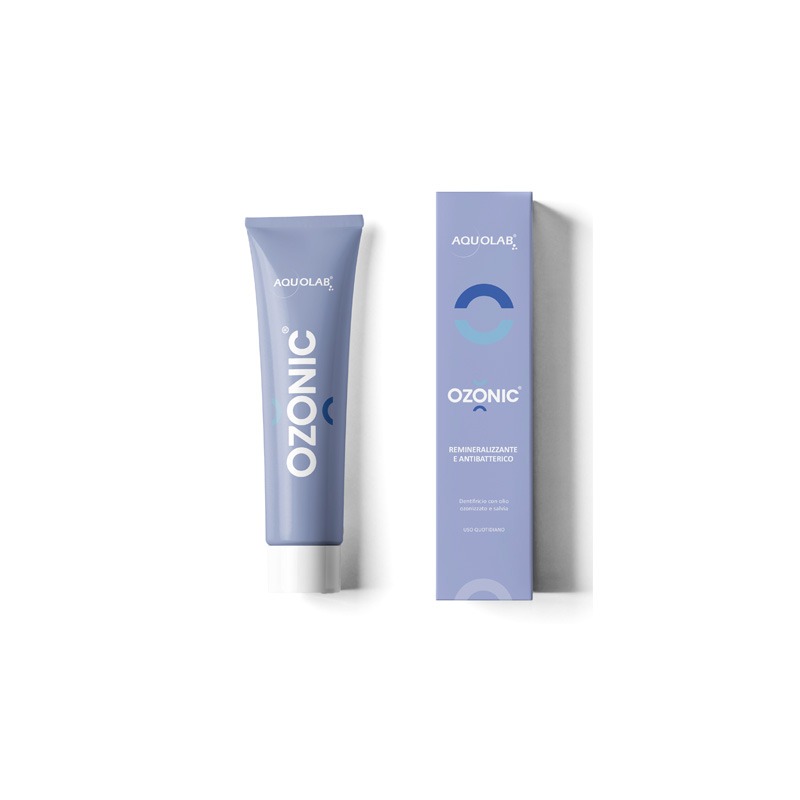
Ozonic, the ozone toothpaste developed by Aquolab, helps to restore the microbiological balance of the mouth. Its purifying properties reduce bacterial proliferation and promote gum healing after scaling and root planing.
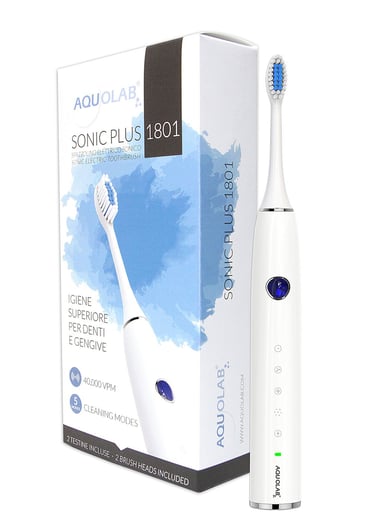
The Aquolab sonic toothbrush
The Aquolab sonic toothbrush offers high-frequency brushing that removes dental plaque even in hard-to-reach areas. By combining sonic vibration and the action of ozonic ozone, it contributes to optimal oral hygiene.
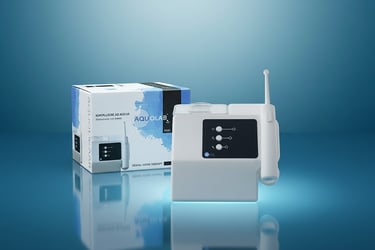
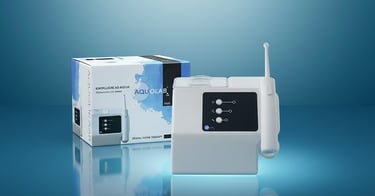
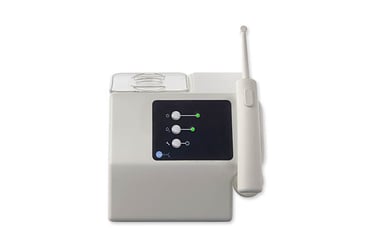
The Aquolab ozone water flosser
The Aquolab ozone water flosser deeply cleans interdental and subgingival spaces. It eliminates plaque-causing bacteria, thus limiting tartar buildup. Used daily, it prolongs the benefits of dental scaling and root planing.
Conclusion
Dental scaling and root planing is an essential treatment for combating periodontitis and preserving gum health. However, its effects can only last if rigorous oral hygiene is maintained. Aquolab's ozone-based products, water flosser, Ozonic toothpaste, and sonic toothbrush represent an innovative and natural solution for enhancing daily oral cleanliness, freshness, and protection.
By combining professional treatment and the Aquolab routine, you can not only prevent tartar from reappearing, but also enjoy lasting and radiant oral health.

Continue reading...
© 2024. All rights reserved.