hygiene-precision: distributor of Aquolab products





Cold and hot tooth sensitivity: complete guide
What are the differences between cold and hot tooth sensitivity? Discover the best solutions to relieve this pain and regain your smile.
This article was written by the Hygiène Précision team, based on scientific data and rigorous clinical studies. Updated on 25/09/2026
3/2/20264 min read
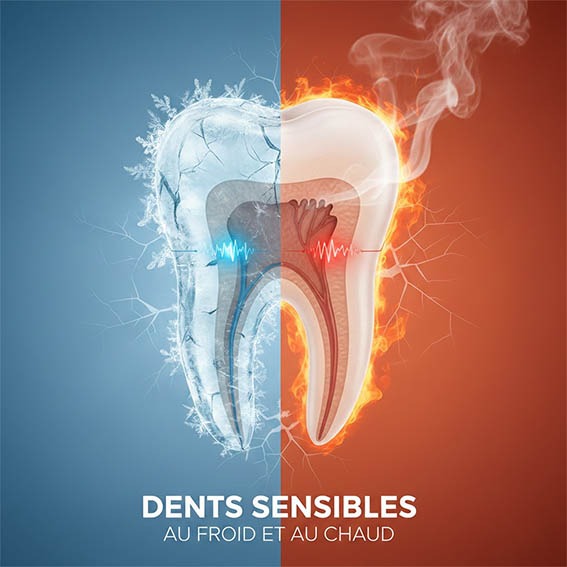
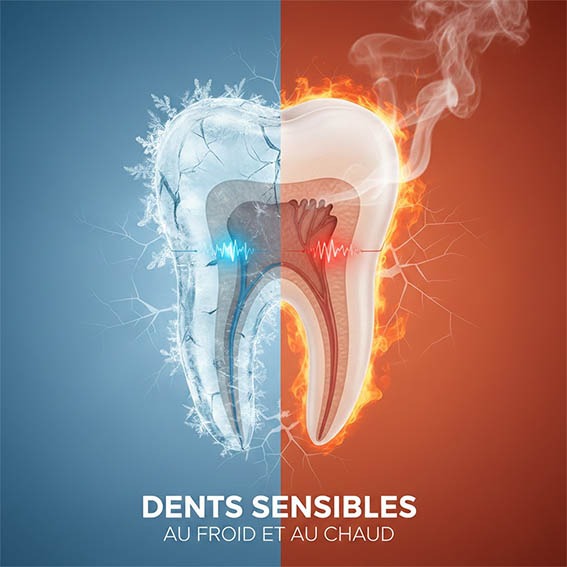
Tooth sensitivity to hot and cold is a common dental problem that affects millions of people worldwide. You may experience a sharp, sudden pain when drinking ice water, enjoying hot coffee, breathing cold air, or eating sweet foods. While occasional sensitivity may not be a cause for concern, persistent discomfort often indicates an underlying dental issue that should not be ignored.
Healthy teeth are protected by enamel and cementum, which shield the inner dentin layer. When this protective barrier becomes damaged or worn away, tiny channels called dentinal tubules become exposed. External stimuli such as heat, cold, sweetness, or touch can then reach the nerves inside the tooth, causing pain.
Understanding the causes of hot and cold tooth sensitivity can help you choose the right treatment and prevent the condition from worsening.
This article contains the following:
Difference between hot and cold tooth sensitivity
Although both types of sensitivity involve nerve irritation, they often point to different dental conditions.
Cold tooth sensitivity
Cold sensitivity is the most common form of tooth sensitivity. It may occur because of:
Worn tooth enamel
Gum recession exposing the tooth root
Tooth decay
Teeth grinding (bruxism)
Recent dental procedures such as fillings or whitening
Small cracks in the tooth
Pain from cold is usually sharp but brief and disappears once the cold stimulus is removed.
Hot tooth sensitivity
Sensitivity to heat is generally less common but may indicate a more serious issue, including:
Deep tooth decay
An infected or inflamed dental pulp
A cracked tooth extending toward the nerve
A failing dental restoration
Pain caused by hot foods or drinks often lasts longer than cold sensitivity and should be evaluated promptly by a dentist.
Teeth sensitive to cold and hot home remedies
Managing tooth sensitivity requires a gentle yet effective daily dental care routine that protects your enamel and soothes irritated nerves. Incorporating specialized tools and ingredients into your home care can significantly reduce discomfort from hot and cold triggers. Establish this three-step home routine by Aquolab to treat and protect sensitive teeth:
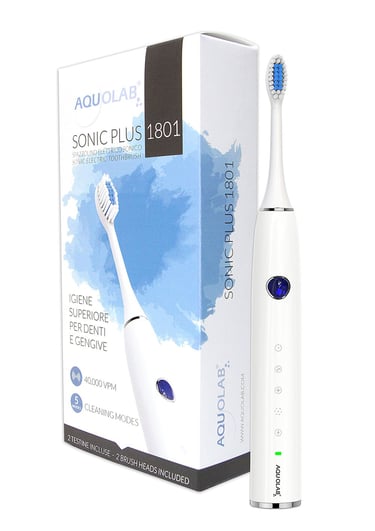
Step 1: Gentle Brushing Start your routine with the Sonic Aquolab Toothbrush 1801. Sonic technology delivers high-frequency vibrations that effectively sweep away plaque without the need for aggressive scrubbing. This prevents further wear on your enamel and protects the underlying dentin, which is responsible for sharp pain when exposed to extreme temperatures.
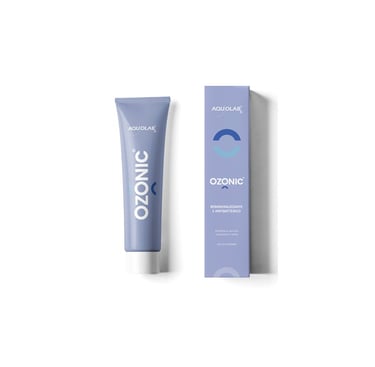
Step 2: Soothing Protection Pair your sonic toothbrush with the Aquolab Ozonic Professional Toothpaste. Sage is a natural anti-inflammatory botanical that calms sensitive gums and tooth nerves. The ozonized oil provides a powerful antibacterial effect, neutralizing acid-producing bacteria that erode enamel, while remaining completely non-abrasive.
Step 3: Non-Abrasive Interdental Cleaning Complete your routine using the Aquolab Ozone Water Flosser / Ozone Oral Irrigator. Traditional string floss can sometimes irritate receding gums or trigger pain in sensitive areas. An ozone water flosser cleans deep between teeth and below the gumline using a gentle, targeted stream of ozonated water. This reduces inflammation and purifies hard-to-reach areas without causing friction on sensitive teeth.
Maintaining consistency with this sonic and ozone-based routine helps build a healthier oral microbiome, strengthens your gum line, and directly addresses the root causes of thermal sensitivity.


Why is my tooth sensitive to hot but not cold?
If your tooth reacts only to hot temperatures, the nerve inside the tooth may already be inflamed or damaged. Unlike cold sensitivity, which often results from exposed dentin, heat sensitivity may signal that the pulp is under pressure due to infection or advanced decay.
Possible causes include:
Deep cavities
Tooth abscess
Cracked tooth
Failing crown or filling
Pulp inflammation (pulpitis)
If hot sensitivity is accompanied by throbbing pain, swelling, or lingering discomfort after drinking something warm, schedule a dental examination as soon as possible. Early treatment may prevent the need for more extensive procedures.
Teeth suddenly sensitive to cold air
Many people notice sudden pain simply by breathing through their mouth during cold weather. This happens because cold air rapidly stimulates exposed dentin.
Common causes include:
Gum recession
Enamel erosion caused by acidic foods
Teeth whitening treatments
Brushing too aggressively
Small enamel cracks
Untreated cavities
If the sensitivity appeared suddenly, it is important to identify the cause. A dentist can determine whether the discomfort is due to temporary irritation or an underlying dental problem.
Tooth sensitive to cold but goes away
A tooth that hurts when exposed to cold but quickly returns to normal usually indicates reversible dentin hypersensitivity.
The discomfort often lasts only a few seconds and may be triggered by:
Cold beverages
Ice cream
Cold air
Chilled fruits
This type of sensitivity is often manageable with proper oral care, including the use of desensitizing toothpaste and fluoride treatments.
However, if the pain becomes more intense, lasts longer than 30 seconds, or occurs spontaneously without any trigger, professional evaluation is recommended.
How to treat cold sensitive teeth?
Treatment depends on the underlying cause of the sensitivity.
Common professional treatments include:
Desensitizing toothpaste containing potassium nitrate or stannous fluoride
Professional fluoride varnish applications
Dental bonding to cover exposed roots
Treatment of cavities
Gum graft surgery for severe gum recession
Root canal treatment if the nerve is irreversibly damaged
You can also reduce sensitivity by:
Using a soft-bristled toothbrush
Brushing gently
Limiting acidic foods and drinks
Wearing a night guard if you grind your teeth
Maintaining excellent oral hygiene
With proper care, many cases of sensitivity improve within several weeks.
Teeth hot and cold sensitivity medicine
Several medications and dental products can help reduce tooth sensitivity.
These include:
Ozoned toothpaste
Potassium nitrate toothpaste
Stannous fluoride toothpaste
Prescription-strength fluoride gels
Fluoride mouth rinses
Professional desensitizing agents applied by a dentist
Over-the-counter pain relievers may temporarily reduce discomfort but do not address the underlying cause. If sensitivity persists for more than a few weeks, professional diagnosis is essential.

Continue reading...
© 2024. All rights reserved.