hygiene-precision: distributor of Aquolab products




Rotating Toothbrush Drawbacks: Dangers & Best Alternative
Are rotating toothbrushes damaging your gums? Discover the hidden risks (bleeding, abrasion) and why dentists now recommend sonic technology.
This article was written by the Hygiène Précision team, based on scientific data and rigorous clinical studies. Updated on 11/09/2026
5/6/20265 min read
Rotary toothbrushes: drawbacks, risks to gums, and gentler sonic alternatives
For years, rotary electric toothbrushes have been touted as a modern and effective alternative to manual brushing. Their rapid circular motion theoretically offers a more thorough clean than the imprecise movements of a traditional toothbrush.
However, several recent studies and clinical reports highlight significant drawbacks, particularly for sensitive gums, enamel health, and the quality of cleaning in certain hard-to-reach areas.
Faced with these limitations, sonic toothbrushes ,
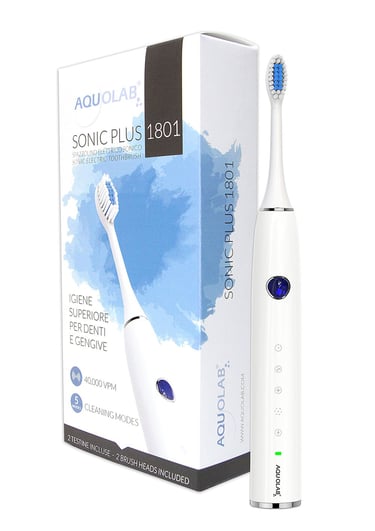
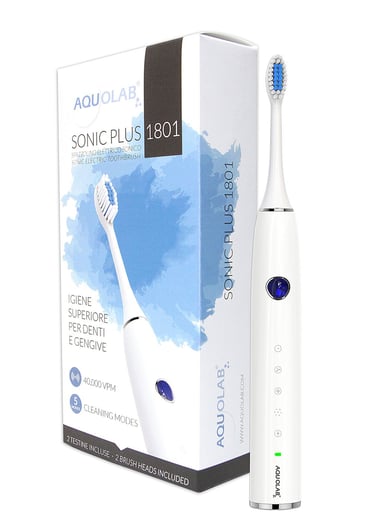
whose technology relies on high-frequency micro-vibrations, now represent a gentler and more effective alternative. Some brands, like Aquolab, stand out with an approach focused on gum protection and precise cleaning, while remaining accessible to the general public.
This article offers you a complete overview : disadvantages of rotary brushes, scientific data, and the reasons why sonic technology is gaining ground.
This article contains the following:


Why Dentists Are Moving Away from Rotating Electric Toothbrushes
Rotating toothbrushes operate through a mechanical circular motion that can reach several thousand rotations per minute. While this mechanical force can be effective against dental plaque, it can also become overly aggressive when misused which, according to dentists, is extremely common.
According to a study published in the Journal of Clinical Periodontology, nearly 60% of users apply excessive pressure with a rotating toothbrush, significantly increasing the risk of tooth sensitivity and gingival recession.
Why Rotating Toothbrushes Can Damage Your Teeth and Gums
1. Gum Recession and Tissue Damage from Excessive Pressure
A Well-Documented Issue
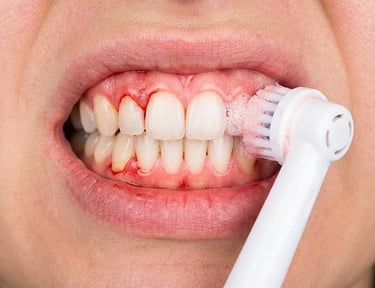
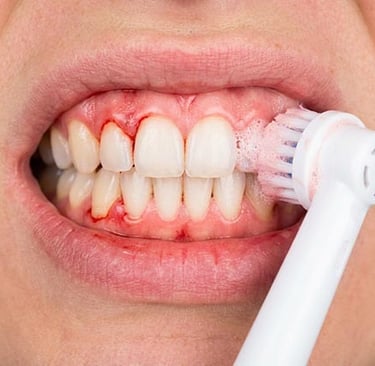
The main problem with rotating toothbrushes is their implicit requirement for precise manual pressure control. Rapid circular movements, combined with bristles that are sometimes too stiff, can traumatize gum tissue within just a few weeks.
🔬 Scientific Data
Research from the American Academy of Periodontology (AAP) shows that excessive brushing pressure is one of the leading causes of non-pathological gingival recession.
A study by Gibson & Wade (2016) highlights that rotating toothbrushes, when improperly used, cause more gingival micro-trauma than sonic or soft manual toothbrushes.
Clinical consequences include:
frequent bleeding gums
gum irritation
sensitivity to heat and cold
gingival recession
increased risk of periodontitis
For individuals already suffering from gingivitis, dentists often advise against using rotating toothbrushes.
2. Poor Plaque Removal in Interdental Spaces
Rotating toothbrush heads are bulkier and less flexible, making cleaning more difficult in certain areas:
Areas often poorly cleaned:
behind the last molars
tight interdental spaces
areas around orthodontic appliances
narrow gingival sulcus zones
🔬 Scientific Data
A study published in the Journal of Applied Oral Science demonstrated that interdental spaces remain the most problematic areas for rotating toothbrushes even among experienced users.
This lack of precision leads to plaque and tartar buildup and, over time, increases the risk of cavities and gum inflammation. Avoid tartar with innovative interdental ozone water flosser such as those offered by Aquolab.
3. Enamel Abrasion: The Hidden Risk of Rotating Toothbrushes
Rotating movements, combined with hard bristles or aggressive brushing, can prematurely wear down dental enamel a layer that does not regenerate.
Consequences of enamel wear:
dental hypersensitivity
increased cavity risk
gradual yellowing (exposed dentin)
future need for restorative treatments
🔬 Scientific Data
According to the International Dental Journal, enamel wear is strongly correlated with “forced brushing,” meaning excessive applied pressure. Rotating toothbrush users exceed the recommended pressure by 25–35% on average.
Enamel wear is a primary cause of tooth sensitivity. Learn more about how to treat tooth demineralization.
Why Sonic Technology Is Emerging as a Better Alternative
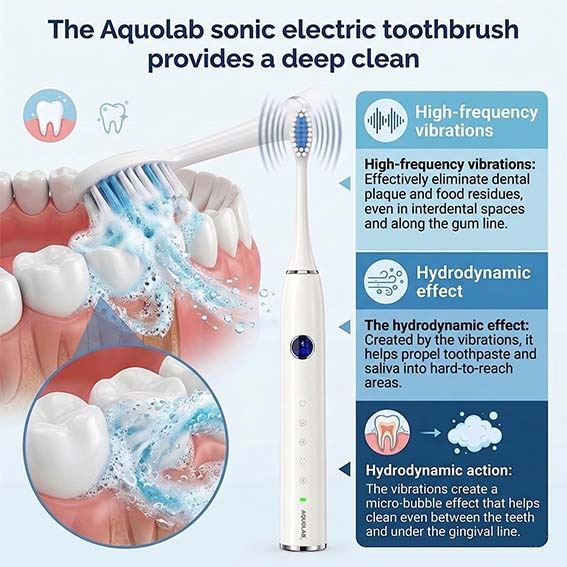
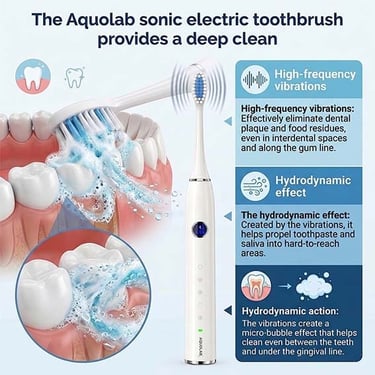
Sonic toothbrushes function differently. They do not rely on mechanical circular motion but instead use rapid micro-vibrations (up to 40,000 per minute). These vibrations create an emulsion of micro-bubbles composed of water, oxygen, and toothpaste, allowing better penetration into difficult or even inaccessible areas.
Scientific and Clinical Advantages of Sonic Toothbrushes
Deep Cleaning Without Excessive Pressure
Sonic technology performs the movement for the user. There is no need to press down, which drastically reduces gum-related risks.
Less Abrasive
The bristles are softer; the cleaning action comes from vibrations rather than manual force.
Superior Interdental Effectiveness
Studies (including Van der Weijden & Slot, 2015) show that sonic toothbrushes perform better in narrow spaces due to dynamic fluid action (water + toothpaste + oxygen).
Greater Comfort and Better Protection of Soft Tissues
An analysis by the ADA revealed that sonic toothbrush users report 30% less bleeding after six weeks of use.
Aquolab: A Smart Integration of Sonic Technology
In an increasingly competitive market, some brands stand out through a scientific and ergonomic approach.
Aquolab, for example, focuses on:
high-frequency sonic vibrations calibrated not to exceed the gingival aggression threshold;
ultra-soft medical-grade nylon bristles;
a slim, precise brush head, particularly useful for reaching posterior areas.
The integration is subtle but significant: Aquolab does not aim to replace manual technique, but to optimize the user’s natural brushing movements.
Who is the rotating toothbrush still suitable for?
Even though sonic toothbrushes now dominate professional recommendations, rotating toothbrushes can still be relevant for:
users who are accustomed to a circular brushing motion,
those who already benefit from excellent gum health.
However, the majority of dentists now favor sonic technology in their recommendations for patients with:
a history of gingivitis,
orthodontic appliances,
tooth sensitivity,
the desire to reduce brushing time while increasing effectiveness.
Conclusion: why the sonic toothbrush, recommended by dentists, is gradually replacing the rotating toothbrush
Scientific studies are consistent:
rotating toothbrushes are effective but more abrasive,
they increase the risk of bleeding and enamel abrasion,
they clean hard-to-reach areas less effectively.
By contrast, sonic toothbrushes such as those offered by Aquolab provide:
deep and thorough cleaning,
gentle, reassuring care for the gums,
superior interdental effectiveness,
a reduction in long-term gum-related risks.
For individuals seeking optimal, long-lasting oral hygiene that respects soft tissues, the sonic toothbrush now stands out as the best option.




You can further enhance your oral hygiene
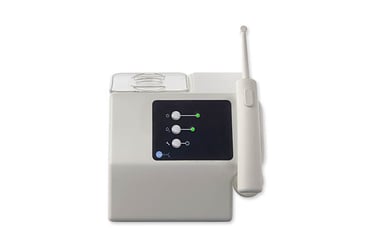
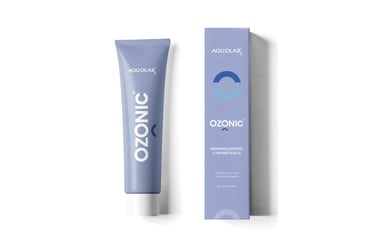
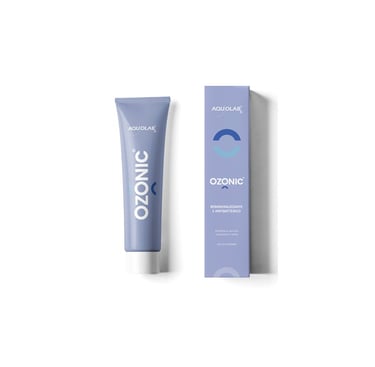
with innovative ozone interdental water flosser
such as those offered by Aquolab.
The addition of ozone to the water jet allows for improved disinfection,
better oxygenation of oral tissues,
and contributes to the remineralization of dental enamel.
Continue reading...
© 2024. All rights reserved.