hygiene-precision: distributor of Aquolab products





Best toothpaste for gum disease | periodontal disease
Periodontitis is a serious bacterial infection that destroys the tissues supporting the teeth. If left untreated, it can lead to tooth loss. Discover the role and benefits of ozone toothpaste. It's the toothpaste to fight periodontitis.
This article was written by the Hygiène Précision team, based on scientific data and rigorous clinical studies. Updated on 29/08/2026
5/6/20268 min read


Periodontitis is a serious gum infection that can lead to tooth loss. Using a best toothpaste for periodontal disease, especially one containing ozone, helps reduce bacteria, inflammation, and bleeding.
This article contains the following:
WHAT IS PERIODONTAL DISEASE?
Periodontal disease is an inflammatory condition affecting the tissues that support and surround the teeth, including the gums, periodontal ligament, and alveolar bone. It usually begins with gingivitis, which is commonly caused by the accumulation of bacterial plaque along the gumline. If left untreated, gingivitis can progress to periodontitis, leading to the formation of periodontal pockets, gum recession, and progressive loss of the bone supporting the teeth. In advanced cases, periodontal disease can cause tooth mobility and eventually tooth loss. Maintaining good oral hygiene and having regular dental check-ups are essential for preventing and managing periodontal disease.
periodontitis symptoms
The symptoms of periodontitis can vary from person to person and develop gradually. Here are the most common signs:
Bleeding gums: Even slight bleeding when brushing or using dental floss is a warning sign.
Redness and swelling of the gums: The gums may become red, swollen, and sensitive to the touch.
Persistent bad breath: Chronic bad breath , even after brushing, can be a sign of infection.
Gum recession: The gums can recede , exposing the roots of the teeth.
Formation of periodontal pockets: Spaces form between the teeth and gums, creating an environment conducive to the proliferation of bacteria .
Sensitive teeth: Teeth can become sensitive to heat, cold, or sugary foods.
Loose teeth: In advanced cases, teeth can become loose.
Pus: Pus may drain from periodontal pockets.
gum disease causes | periodontal disease causes
Discover the 8 main causes for periodontitis or gum disease:
Oral biofilm or dental plaque and tartar: Dental plaque is a sticky bacterial biofilm that constantly forms on teeth. If it is not removed by brushing and using a water flosser, it mineralizes and forms tartar, which is more difficult to remove.
Poor oral hygiene: Insufficient brushing, incorrect use of dental floss and irregular visits to the dentist promote the accumulation of plaque and tartar.
Smoking: Smoking weakens the immune system, making the body less able to fight infection. It also reduces blood flow to the gums, thus slowing healing.
Diabetes: Uncontrolled diabetes weakens the immune system and makes tissues more susceptible to infections, particularly periodontal infections.
Medications: Some medications, such as corticosteroids and anticancer drugs, can reduce resistance to infections.
Genetic factors: Some people are more predisposed to developing periodontitis due to genetic factors.
Stress: Stress can weaken the immune system and worsen periodontal disease.
Systemic diseases: Certain systemic diseases, such as osteoporosis and heart disease, may be associated with periodontitis.
GINGIVAL INDEX: MONITOR YOUR GUMS HEALTH
The gingival index (GI) is a clinical indicator used in dentistry to assess the level of gum inflammation and detect periodontal disease early. Developed by Harald Löe and Jens Silness, it is based on a simple scale from 0 to 3, allowing for the analysis of the gingival condition around each tooth. It is now widely used by oral health professionals to monitor the progress of treatments and assess the quality of oral hygiene.
Score 0 : healthy gums, without inflammation or bleeding
Score 1 : mild inflammation with slight redness, no bleeding
Score 2 : Moderate inflammation with bleeding on catheterization
Score 3 : severe inflammation with spontaneous bleeding and possible ulceration / risk of periodontitis
This index makes it possible to quantify gum health, guide care and prevent the progression to more serious pathologies such as periodontitis.
Which toothpaste IS BEST for GUM DISEASE PREVENTION?
The best toothpastes for gum disease are those that combine antibacterial efficacy, anti-inflammatory action and tissue protection .
Fluoride toothpaste vs. ozone: a comparison for periodontitis
Fluoride toothpaste
Fluoride acts primarily on:
enamel remineralization
the reduction of cariogenic bacterial activity
It is especially effective against cavities, but indirectly contributes to better overall oral health.
👉 Fluoride is considered the gold standard in dental prevention.
Ozone toothpaste
Ozone is a powerful oxidant :
destroys bacteria, viruses and fungi
acts directly on the periodontal bacterial biofilm
It can also modulate inflammation and promote a less acidic environment
👉 It directly targets the bacteria involved in periodontitis.
What kills gum disease bacteria? Ozone in toothpaste
Ozone (O₃) kills gum disease bacteria becauseit is a powerful oxidizing agent that, when used in dentistry, exhibits antimicrobial effects against many oral germs and can help reduce inflammatory markers. Recent reviews and clinical studies indicate that ozone applications, as an adjunct to conventional care, have improved periodontal parameters (reduced bleeding, decreased pocket size, and lower bacterial load). SpringerLink
Ozone in toothpaste:
Aid in the prevention and treatment of periodontitis:
By eliminating bacteria and reducing inflammation, ozone toothpastes help prevent disease progression and promote the healing of periodontal tissues.
Improves oral health:
It helps reduce bleeding gums, prevent bad breath and strengthen tooth enamel.
It has a complementary action to periodontal treatments:
Ozone toothpastes can be used in conjunction with other periodontal treatments, such as the use of an ozonated water jet, scaling and root planing, to optimize results.
Ozone, a natural alternative to chlorhexidine
Ozone, a natural antiseptic derived from oxygen, effectively eliminates bacteria, respects the oral balance, and does not alter taste or teeth. It offers a gentle and innovative alternative.
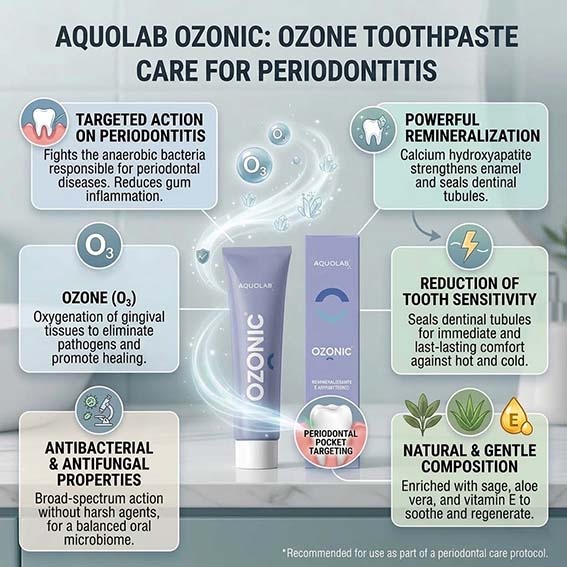
It is important to choose a quality toothpaste, formulated by oral health professionals. Opt for products containing ozonated oil, which offers better penetration into the tissues. Thanks to its specific formula, Aquolab's OZONIC toothpaste provides antibacterial and remineralizing action; it helps reduce inflammation, prevent plaque, and minimize microfractures on the tooth surface. It is ideal for maintaining healthy mouths and gums, and fresh breath.
Toothpaste gum disease review:
"As a professional, I consider the Ozonic toothpaste to be an excellent ally for daily oral hygiene: the presence of ozonated oil and hydroxyapatite offers an antibacterial and remineralizing action all in softness. As a consumer, I appreciate her delicate sensation of freshness and her good tolerance." I.R
BEST TOOTHPASTE FOR GUM DISEASE RECOMMENDED BY DENTIST
GUM disease TREATMENT
Good oral hygiene is essential to prevent cavities, gum disease (such as gingivitis and periodontitis ), and to maintain fresh breath. Here are a few simple steps to adopt daily:
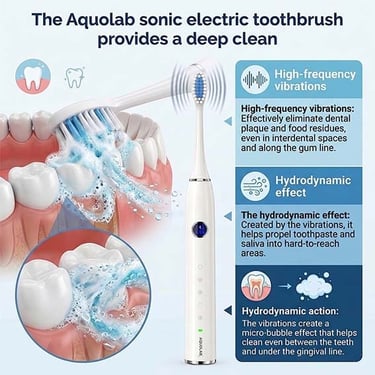


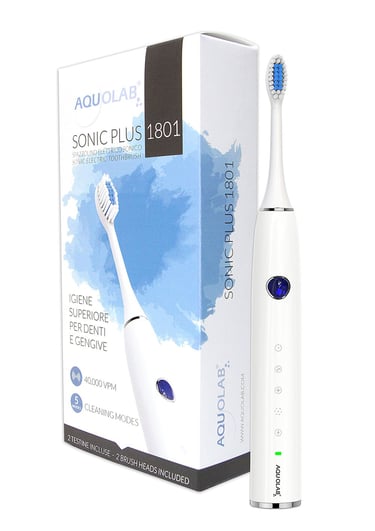
1. Gum disease Brushing | Best sonic toothbrush for gum disease
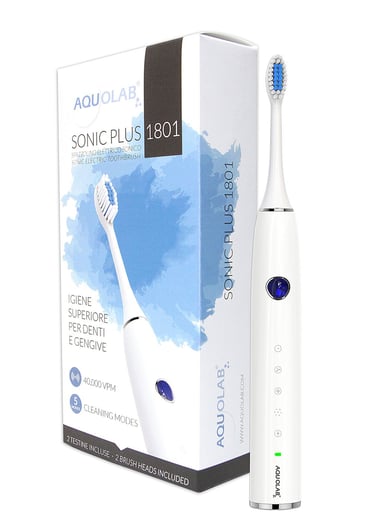
Aquolab sonic 1801, the best Sonic toothbrush for gum disease
Frequency: At least twice a day, in the morning after breakfast and in the evening before going to bed.
Duration: Brush your teeth for at least two minutes.
Technique: Use a soft-bristled toothbrush and make up-and-down movements, angling the brush at a 45-degree angle to your gums. A sonic toothbrush is recommended for optimal brushing action. Remember to brush all surfaces of your teeth, including your tongue.
Toothbrush: Change your toothbrush every three months or as soon as the bristles are damaged.
2. Best water flosser for gum disease: Aquolab
Aquolab water flosser is the ideal complement to your brushing routine to fight periodontitis
The French Union for Oral Health (UFSBD) recommends water flossers because they complement brushing by removing plaque from between teeth. They reduce gingivitis, improve gum health, and facilitate hygiene for people with braces, implants, or those who have difficulty flossing.
Frequency: After brushing, use a low-pressure water flosser as soon as possible to avoid damaging your gums. If possible, use an ozone water flosser for thorough disinfection of your mouth. Ozone helps reduce inflammation, remineralize tooth surfaces, and prevent plaque buildup, which is responsible for gingivitis and periodontitis. A treatment protocol exists for the Aquolab water flosser to combat periodontitis.
3. Using dental floss as a complement to your dental hygiene
Frequency: Use dental floss carefully to avoid injuring your gums. Opt for an ozone water flosser, which is gentler on gums, to remove plaque and food debris between teeth and under the gum line.
4. Mouthwash to complete your dental hygiene
Additional information: Mouthwash is a complement to brushing and flossing. However, be careful , as many mouthwashes are harsh on the gums. Consider using an ozone water flosser, a natural treatment, to enhance your daily oral hygiene routine.
5. Regular dental checkups: essential visits to fight and treat periodontitis
Frequency: See your dentist at least once a year for a cleaning and check-up. They can detect oral health problems at an early stage and provide you with personalized advice.
Additional tips
Diet: Limit your consumption of sugar and acidic foods that attack tooth enamel .
Tobacco : Tobacco promotes the development of periodontal disease and stains teeth. Quit smoking if you are a smoker.
Braces: If you wear braces, follow your orthodontist 's instructions for thorough cleaning. In short, good oral hygiene relies on simple daily habits. Don't hesitate to ask your dentist for advice on a personalized program.
Why should you never neglect visits to your dentist in the treatment of periodontitis?
What is the role of the dentist in the treatment of periodontitis?
The dentist , and more specifically the periodontist (a specialist in gum disease), plays a crucial role in the diagnosis and treatment of periodontitis . Here are their main responsibilities:
1. Diagnoses made by your dentist in case of periodontitis:
Clinical examination: The dentist carefully examines your gums, measures the depth of the periodontal pockets (spaces between the teeth and gums) and assesses tooth mobility.
X-rays: X-rays allow us to assess the condition of the alveolar bone that supports the teeth.
2. Treatments provided by your dentist in case of periodontitis:
Scaling, air polishing and root planing:
The dentist removes plaque and tartar that have accumulated on the teeth and under the gums. He then smooths the surface of the roots to promote healing.
Periodontal surgery:
In more advanced cases, surgery may be necessary to remove infected tissue, reduce periodontal pockets, and regenerate bone tissue.
Drug treatment:
The dentist may prescribe antibiotics or anti-inflammatories to fight the infection and reduce inflammation.
Oral hygiene instructions:
The dentist will teach you the brushing and oral hygiene techniques best suited to your situation to prevent the recurrence of the disease.
3. Follow-up appointments with your dentist in case of periodontitis:
Regular check-up visits: Regular check-up visits allow monitoring of the disease's progression and adjustment of treatment if necessary.
Motivational interviewing: The dentist encourages you to maintain good oral hygiene and adopt a healthy lifestyle.
Why consult a dentist in case of periodontitis?
Preventing tooth loss: Early treatment of periodontitis can prevent tooth loss.
Improving overall health: Periodontitis has been associated with other health problems, such as heart disease and diabetes.
Regain a radiant smile: Successful treatment of periodontitis allows you to regain healthy gums and an aesthetic smile.
In summary, the dentist plays an essential role in the management of periodontitis.
Thanks to its expertise and tools, it can help you regain a healthy mouth and a radiant smile. Aquolab supports you daily in your oral hygiene.




Continue reading...
© 2024. All rights reserved.