hygiene-precision: distributor of Aquolab products




Deep Cleaning | Scaling and Root Planing
Learn everything about deep cleaning teeth and scaling and root planing. Discover when it's necessary, benefits, risks, recovery, pain level, and how to maintain healthy gums.
This article was written by the Hygiène Précision team, based on scientific data and rigorous clinical studies. Updated on 30/09/2026
9/30/20267 min read


Healthy gums are the foundation of a healthy smile. While regular dental cleanings help remove plaque and tartar from the visible surfaces of your teeth, some patients require a more advanced procedure known as deep cleaning, also called scaling and root planing. This treatment is designed to stop gum disease from progressing by removing harmful bacteria beneath the gumline and smoothing the tooth roots to promote healing.
If you've been told you need a deep cleaning, you may have questions about the procedure, whether it's painful, how long it takes, and what results you can expect. In this comprehensive guide, we'll answer the most common questions about deep cleaning teeth and explain why scaling and root planing remains one of the most effective treatments for periodontal disease.
This article contains the following:
Deep cleaning teeth meaning
A deep cleaning is a non-surgical periodontal treatment that removes plaque, tartar, and bacteria from below the gumline. Unlike a routine dental cleaning, which focuses on the visible surfaces of the teeth, deep cleaning targets periodontal pockets where bacteria accumulate.
The procedure consists of two main steps:
Scaling: Removing plaque and hardened tartar from above and below the gums.
Root planing: Smoothing the tooth roots to discourage bacterial growth and help the gums reattach to the teeth.
Dentists typically recommend deep cleaning when periodontal pockets measure more than 4 millimeters or when early to moderate gum disease (periodontitis) is diagnosed.
The primary goals are to:
Stop gum disease progression
Reduce gum inflammation
Eliminate harmful bacteria
Prevent tooth loss
Improve overall oral health
Is a dental deep cleaning ever really necessary?
Yes dental deep cleaning is necessary, but only when there are clear signs of periodontal disease.
A dentist may recommend scaling and root planing if you have:
Bleeding gums
Persistent bad breath
Gum recession
Deep periodontal pockets
Bone loss visible on X-rays
Heavy tartar beneath the gums
Loose teeth caused by gum disease
Without treatment, periodontal disease can progress, leading to destruction of the bone supporting the teeth and eventually tooth loss.
A deep cleaning is not performed simply because someone has stained teeth or minor plaque buildup. It is a medically necessary treatment when infection exists beneath the gums.
Deep cleaning teeth before and after
After deep cleanig, patients often notice significant improvements.
Before deep cleaning
Common symptoms include:
Swollen gums
Bleeding while brushing
Bad breath
Sensitive gums
Gum pockets
Heavy tartar deposits
After deep cleaning
Over several weeks, patients generally experience:
Healthier pink gums
Less bleeding
Fresher breath
Reduced inflammation
Shallower periodontal pockets
Better gum attachment
Some temporary side effects include:
Tooth sensitivity
Mild soreness
Minor bleeding
Gum tenderness
These symptoms usually resolve within a few days.
Long-term success depends on excellent oral hygiene and regular periodontal maintenance visits.


Deep cleaning teeth at home
Many people wonder whether it's possible to perform a true deep cleaning at home. The answer is no. Scaling and root planing can only be performed by a dental professional using specialized instruments that remove hardened tartar and bacteria from below the gumline.
However, maintaining an effective daily oral hygiene routine can significantly reduce plaque buildup, support healthy gums, and lower the risk of periodontal disease between dental visits.
A comprehensive, science-backed home care routine may include:
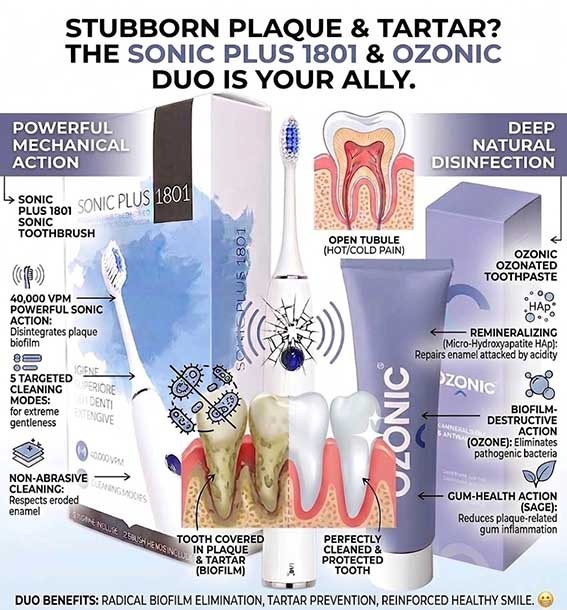
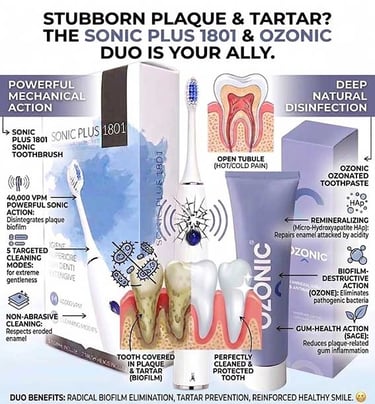
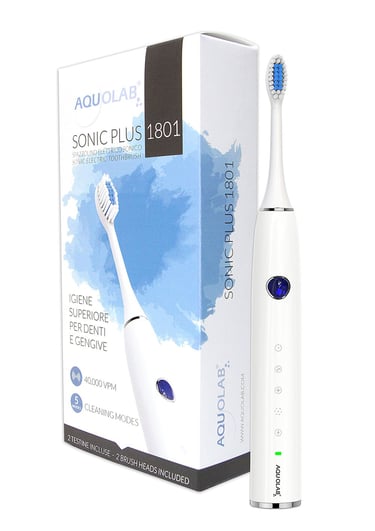
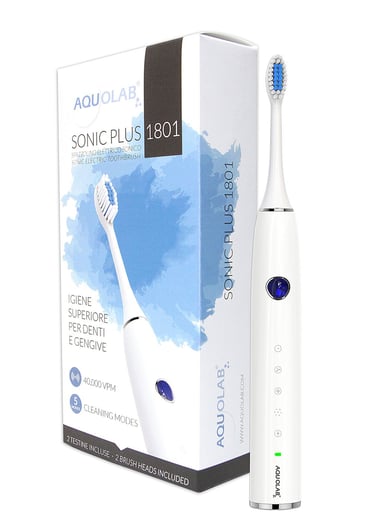
Brushing twice a day with the Sonic Aquolab Toothbrush, which uses high-frequency sonic vibrations to help remove plaque along the gumline while remaining exceptionally gentle on teeth and gums.
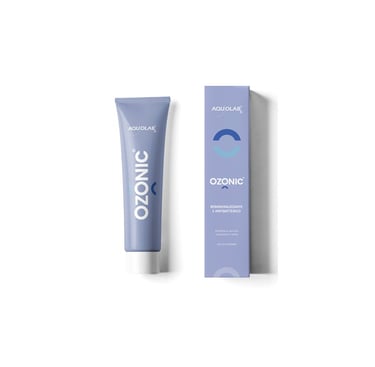
Enhancing your brushing by using Aquolab Ozonic Professional Toothpaste. Formulated with ozonized oil and sage, it helps deeply clean the teeth while supporting fresh breath and maintaining healthy gums.
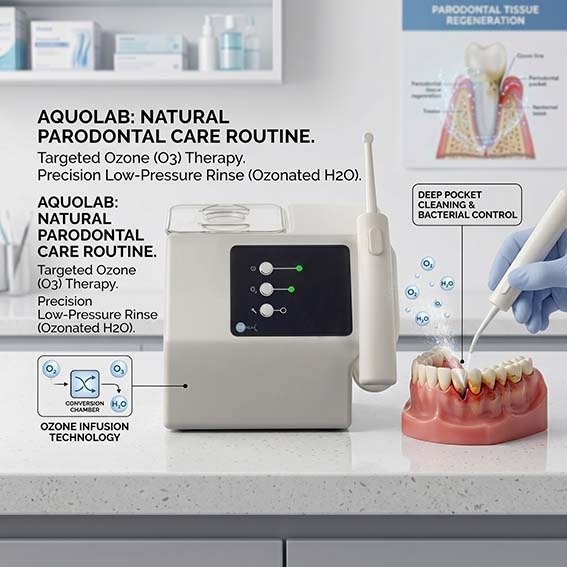
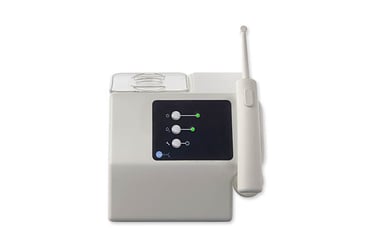
Cleaning below the gumline with the Aquolab Ozone Water Flosser, an oral irrigator designed to flush away food debris and plaque from hard-to-reach areas. The effectiveness of its ozonated water technology is backed by a 2015 study published in the Journal of Orofacial Sciences. The clinical study evaluated Aquolab ozone therapy as an adjunct to professional scaling and root planing for treating chronic periodontitis. Results showed that just a single application significantly reduced the load of infection-causing bacteria, specifically Tannerella forsythia (P = 0.021), and improved the overall bacterial profile with absolutely no side effects. This simple, highly effective, and economical therapy promotes the natural healing of gum tissues.
Cleaning between the teeth every day, especially if recommended by your dentist.
Limiting tobacco use, as smoking is a major risk factor for gum disease.
Following a balanced diet that is low in added sugars to reduce plaque formation.
Replacing your toothbrush head regularly to maintain optimal cleaning performance.
While advanced home-care products like the Aquolab Sonic Toothbrush, Aquolab Ozone Water Flosser, and Aquolab Ozonic Toothpaste provide a powerful, scientifically proven defense against the bacteria responsible for gum infections, they cannot remove hardened calculus beneath the gums or replace professional scaling and root planing. If your dentist diagnoses periodontal disease, professional treatment remains essential, while this consistent, high-quality home care routine will help maintain and optimize the healing results afterward.

Is deep cleaning teeth painful?
Most patients report only mild to moderate discomfort. Dentists usually numb the treatment area using local anesthesia, making the procedure comfortable.
After treatment, you may experience:
Gum tenderness
Tooth sensitivity
Mild aching
Slight bleeding
These symptoms generally last between 24 and 72 hours. Over-the-counter pain relievers are often sufficient for managing temporary discomfort. Patients with severe gum disease may experience slightly more soreness, but the benefits of treating the infection far outweigh the temporary discomfort.
Is root scaling and planing dangerous?
Scaling and root planing is considered a very safe procedure.
Complications are uncommon but may include:
Temporary tooth sensitivity
Mild gum recession
Minor bleeding
Short-term discomfort
Rare complications include:
Infection
Delayed healing
Increased sensitivity in exposed roots
The risks of leaving periodontal disease untreated are far greater than the risks associated with deep cleaning.
Untreated periodontitis may lead to:
Tooth loss
Jawbone destruction
Gum abscesses
Worsening oral health
When performed by a qualified dental professional, scaling and root planing is one of the safest periodontal treatments available.
Disadvantages of deep cleaning teeth
Deep cleaning has some disadvantages like temporary discomfort, multiple appointments, gum recession and others:
Temporary discomfort
Mild soreness and sensitivity are common for several days.
Multiple appointments
Treatment is often completed over two to four visits, depending on the severity of gum disease.
Cost
Deep cleaning costs more than routine dental cleanings because it is a more complex procedure.
No guarantee
If oral hygiene remains poor after treatment, periodontal disease may return.
Gum recession
As inflammation resolves, gums may shrink slightly, making teeth appear longer.
Despite these drawbacks, deep cleaning remains the best non-surgical option for controlling periodontal disease.
How long does deep cleaning teeth take?
The treatment duration is 30 to 90 minutes and depends on the severity of gum disease.
Typical appointment times include:
One quadrant: 30–60 minutes
Half the mouth: 60–90 minutes
Full mouth: Two to four appointments
Most dentists divide the treatment into multiple sessions to maximize patient comfort and ensure thorough cleaning. Healing usually occurs over several weeks, while complete gum reattachment may take one to three months.
How often deep cleaning teeth
Deep cleaning is not a routine procedure performed every six months. Most patients require it only once unless periodontal disease returns. After treatment, dentists usually recommend periodontal maintenance cleanings every three to four months.
The frequency depends on factors such as:
Severity of previous gum disease
Smoking status
Diabetes
Oral hygiene habits
Genetic predisposition
Maintaining excellent oral hygiene significantly reduces the likelihood of needing another deep cleaning.
Can a general dentist do scaling and root planing
Yes. Most general dentists are fully trained to perform scaling and root planing. However, patients with advanced periodontal disease may be referred to a periodontist, a dentist who specializes in diseases affecting the gums and supporting bone.
A periodontist may be recommended if you have:
Severe bone loss
Deep periodontal pockets
Loose teeth
Recurrent gum infections
Need for periodontal surgery
For mild to moderate periodontitis, a general dentist can typically perform deep cleaning safely and effectively.
Conclusion
Deep cleaning, also known as scaling and root planing, is one of the most effective non-surgical treatments for managing periodontal disease. By removing plaque, tartar, and bacteria from below the gumline, it helps reduce inflammation, improve gum health, and protect the teeth and supporting bone from further damage.
While no home-care routine can replace professional deep cleaning when gum disease is present, maintaining excellent oral hygiene every day is essential for preventing plaque buildup and preserving the results of treatment. Using high-quality oral care products such as the Aquolab Sonic Toothbrush, the Aquolab Ozone Water Flosser, and Aquolab Ozonic Professional Toothpaste can help enhance daily plaque control, clean hard-to-reach areas, and support healthy gums as part of a comprehensive oral hygiene routine.
The best approach combines professional periodontal care with consistent at-home maintenance. Regular dental checkups, a personalized oral hygiene routine, and effective daily cleaning can significantly reduce the risk of gum disease progression and help you maintain a healthier smile for years to come.
Continue reading...

© 2024. All rights reserved.