hygiene-precision: distributor of Aquolab products




Teeth crumbling: How to stop it
Discover the causes behind crumbling teeth and how to stop it. Explore clinical treatments, preventive habits, and home remineralization routines for your enamel.
This article was written by the Hygiène Précision team, based on scientific data and rigorous clinical studies. Updated on 22/09/2026
9/22/20266 min read


Noticing a tooth flaking or breaking apart during a routine meal is an alarming experience that signals a severe compromise in your dental structure. When teeth begin to crumble, it means the protective enamel has eroded, demineralized, or weakened to a critical point, leaving the tooth unable to withstand standard biting pressure. Reversing this trajectory requires immediate and targeted intervention. By identifying the root causes whether they are environmental, dietary, hormonal, or genetic and implementing a combination of professional dental treatments alongside advanced home remineralization routines, you can halt the physical breakdown and rebuild the strength of your smile.
This article contains the following:
Teeth crumbling meaning
Teeth crumbling is a descriptive term used to explain the rapid or severe deterioration of a tooth’s structure. Rather than experiencing a standard, single cavity, individuals with crumbling teeth notice their teeth chipping, fracturing, or breaking apart in small fragments during everyday activities like chewing or brushing. This condition indicates that the enamel (the hard outer layer) and dentin (the softer inner layer) have become highly compromised, stripped of their mineral density, and are no longer capable of withstanding the natural pressure of the human bite.
Teeth crumbling causes
The breakdown of tooth structure is rarely the result of a single factor. It typically stems from a combination of environmental, dietary, and physical stressors:
Acid Erosion: Frequent consumption of acidic foods and beverages (like citrus, sodas, and sports drinks) strips minerals from the enamel. Gastrointestinal issues like acid reflux (GERD) or eating disorders like bulimia also bathe the teeth in highly destructive stomach acid.
Severe Tooth Decay: Unchecked cavities eat away at the internal structure of the tooth, hollowing it out until the remaining enamel collapses under pressure.
Bruxism (Teeth Grinding): Chronic grinding or clenching, often occurring during sleep, places immense mechanical stress on the teeth, causing micro-fractures that eventually lead to the teeth breaking apart.
Dry Mouth (Xerostomia): Saliva naturally washes away food particles and neutralizes plaque acids. A lack of saliva caused by certain medications, dehydration, or medical conditions creates an acidic oral environment that accelerates tooth destruction.
Nutritional Deficiencies: A severe lack of calcium, phosphorus, or Vitamin D weakens the structural integrity of teeth from the inside out.
Teeth crumbling disease
While "crumbling teeth" is a symptom rather than a diagnosis, several specific medical diseases and genetic conditions directly cause this severe deterioration:
Amelogenesis Imperfecta: A rare genetic disorder that affects the formation of enamel, causing teeth to emerge abnormally small, discolored, grooved, and prone to rapid wear and breakage.
Dentinogenesis Imperfecta: A genetic condition affecting the dentin, causing teeth to be discolored (often blue-gray or yellow-brown) and unusually weak, leading to structural collapse even if the enamel is intact.
Celiac Disease: An autoimmune reaction to gluten that can interfere with the absorption of essential nutrients, frequently resulting in enamel defects, pitting, and banding in adult teeth.
Sjögren’s Syndrome: An autoimmune disorder that destroys the salivary glands, leading to extreme dry mouth and aggressive, rapid tooth decay.
Teeth crumbling like chalk
When teeth crumble "like chalk" it is the result of advanced demineralization. Healthy enamel is heavily mineralized and translucent. When acids continuously leech calcium and phosphate out of the tooth faster than saliva can replace them, the enamel becomes opaque, white, and chalky. This hypomineralized enamel has lost its crystalline strength. At this stage, the tooth is highly brittle and can flake or snap off entirely under minimal friction, such as running a fingernail across it or biting into soft bread.
Teeth crumbling menopause
Women going through menopause are at a distinctly higher risk for sudden dental issues due to intense hormonal shifts. The drastic drop in estrogen levels directly affects bone density throughout the body, including the jawbone (alveolar bone) that anchors the teeth. Weakened bone support can cause teeth to shift and bear chewing forces unevenly, leading to fractures. Furthermore, hormonal changes frequently cause menopausal dry mouth (xerostomia), removing the protective benefits of saliva and allowing acid-producing bacteria to rapidly erode the enamel.
Crumbling teeth in children
In pediatric dentistry, crumbling teeth are a widespread and urgent issue, typically tied to two primary conditions:
Early Childhood Caries (Baby Bottle Tooth Decay): This occurs when infants or toddlers are frequently put to bed with bottles containing milk, formula, or juice. The sugars pool around the teeth for hours, feeding bacteria that produce enamel-destroying acid, causing the baby teeth to rot and break apart at the gumline.
Molar Hypomineralization: Often referred to as "chalky teeth," this condition causes a child's adult molars to erupt with weak, severely discolored, and unmineralized enamel. These teeth are hyper-sensitive and begin crumbling almost as soon as they break through the gums, often requiring immediate dental intervention.
Crumbling teeth treatment
Once a tooth has begun to physically break apart, it cannot heal itself. Professional dental restoration is required to save the remaining structure and restore function:
Remineralization Therapy: For early-stage chalky teeth without physical breakage, dentists can apply concentrated fluoride varnishes or calcium phosphate pastes to harden the enamel.
Dental Bonding: For minor chips and crumbling edges, tooth-colored composite resin is applied and cured with a special light to rebuild the tooth's shape.
Veneers or Crowns: When a tooth has lost significant structure, a porcelain veneer (for front teeth) or a full-coverage dental crown (for molars) is placed over the remaining tooth to hold it together and provide a durable chewing surface.
Root Canal Therapy: If the crumbling has exposed the inner pulp and caused an infection, the diseased nerve must be removed before the tooth can be crowned.
Extraction and Replacement: In the most severe cases where the tooth has crumbled below the gumline and cannot be salvaged, it must be extracted and replaced with a dental implant, bridge, or partial denture to maintain jaw alignment.
Crumbling teeth treatment and prevention at home
Alongside professional dental care, a rigorous home oral hygiene routine is crucial for preventing and managing crumbling teeth. The combined use of an ozone water flosser and a specialized professional toothpaste provides a targeted approach to strengthen enamel and sanitize the oral cavity.
Best water flosser for preventing crumbling teeth
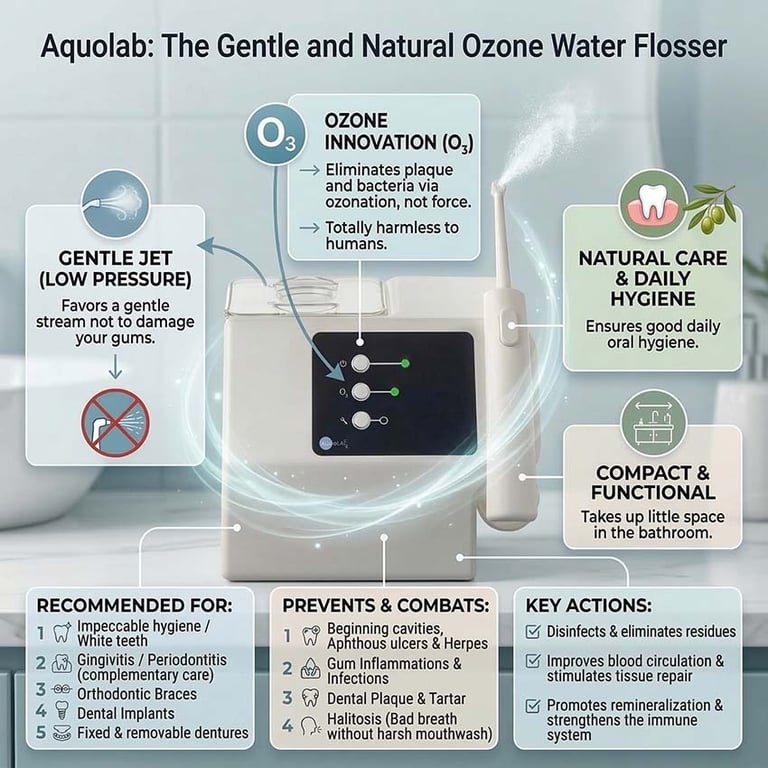
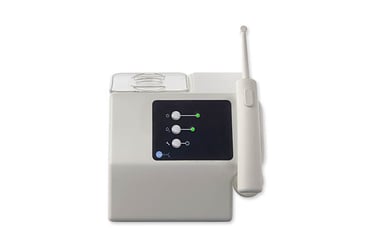
The Aquolab water flosser, which utilizes ozone, acts as a powerful and natural disinfectant, capable of breaking down viruses and microorganisms. It helps prevent the formation of dental plaque and tartar, which are major factors in enamel weakening. Furthermore, this device promotes tooth remineralization and stimulates tissue repair, thereby creating a favorable environment for consolidating the dental structure. Its gentle, low-pressure action protects the gums, which are often compromised when dental issues arise.
How to strengthen brittle teeth with a remineralizing toothpaste?
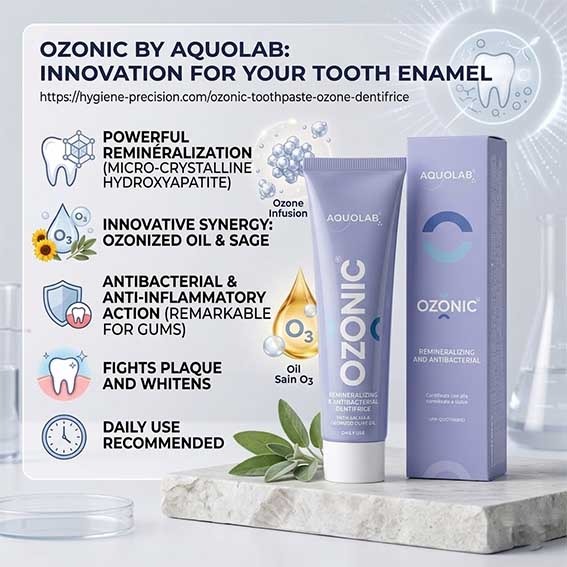
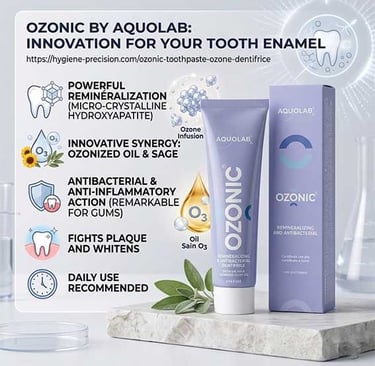
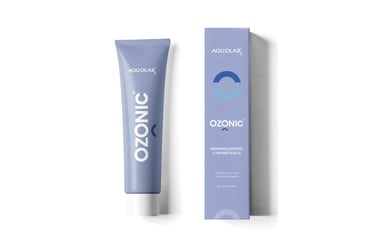
The action of the water flosser can be complemented by using Aquolab's OZONIC toothpaste. This professional toothpaste contains hydroxyapatite, ozonized oil, contributing to the remineralization of the tooth surface and the prevention of bacterial plaque. Its formula also includes hydroxyapatite, a natural component of enamel and dentin, which helps to fill in microfractures in the enamel and reduce tooth sensitivity, a common symptom of crumbling teeth. Finally, the inclusion of sage helps fight dental plaque and contributes to maintaining the brightness of the teeth. Used together, these two tools constitute an active defense to protect and strengthen vulnerable teeth on a daily basis.
Crumbling teeth prevention
Stopping the deterioration of teeth requires a proactive approach centered on remineralization and protection against mechanical and chemical stress:
Enhance Fluoride Exposure: Use a prescription-strength fluoride toothpaste or incorporate a fluoride mouthwash into your daily routine to force minerals back into weakened enamel.
Dietary Adjustments: Eliminate sugary snacks and acidic beverages. If you must consume acidic drinks, use a straw to bypass the teeth and rinse with plain water afterward.
Wear a Nightguard: If you grind your teeth, a custom-fitted dental nightguard will absorb the bite force and prevent structural fractures while you sleep.
Manage Dry Mouth: Drink plenty of water, chew sugar-free gum containing xylitol to stimulate saliva, or use over-the-counter saliva substitutes.
Treat Underlying Acid Issues: Seek medical treatment for acid reflux or chronic vomiting to prevent stomach acid from entering the oral cavity.
Continue reading...
© 2024. All rights reserved.