hygiene-precision: distributor of Aquolab products




Best fluoride free toothpaste
Discover the best fluoride free toothpaste to prevent cavities, inflammation and gum infections. Ozone is the best alternative to fluoride for teeth.
This article was written by the Hygiène Précision team, based on scientific data and rigorous clinical studies. Updated on 28/09/2026
3/2/20265 min read


In today’s evolving approach to oral care, more and more people are looking beyond conventional fluoride toothpaste and exploring smarter, more refined alternatives. Ozone-based toothpaste stands out as a premium solution, combining active ozone, micro-natural hydroxyapatite, and sage to help cleanse the mouth, support enamel remineralization, and promote a fresher, healthier-feeling smile. Designed for daily use, AQUOLAB OZONIC offers a modern, science-inspired approach to oral hygiene that brings together performance, comfort, and a more natural philosophy of care.
This article contains the following:
Alternative to fluoride for teeth: why choose ozone toothpaste?
In a context where oral health and natural well-being are generating increasing interest, many consumers are now turning to alternative solutions for their daily hygiene. Taking care of one's teeth effectively while respecting the body's balance has become a priority.
What does fluoride do to your body? The consequences of excess fluoride
Fluoride excessive intake during early childhood tooth development can cause dental fluorosis (visible white streaks or mottling on enamel), whereas sustained, extremely high consumption over many years can lead to skeletal fluorosis, resulting in joint stiffness and bone fragility. For this reason, public health authorities and dental organizations carefully regulate fluoride levels in community water supplies and oral care products to maximize cavity prevention while remaining well below toxic thresholds.
Natural alternative to fluoride toothpaste
Among recent innovations, ozone toothpaste stands out as a high-performance, scientifically validated option perfectly suited for regular use. This comprehensive guide invites you to explore new avenues for healthy dental hygiene, with a particular focus on AQUOLAB OZONIC, a premium professional treatment combining active ozone, micro-natural hydroxyapatite, and sage extracts.
Why avoid fluoride in toothpaste?
The choice to exclude or limit fluoride and controversial components in one's oral hygiene routine is no longer a simple trend, but a genuine reflection on the overall preservation of health and the body's microbiota.
The limitations and criticisms of traditional fluoride
Historically, fluoride has been a popular mineral among professionals for strengthening tooth enamel and preventing cavities by promoting the formation of fluoroapatite. However, its limitations and some criticisms have led many users to seek alternatives.
On the one hand, a growing segment of the population wants to limit their daily intake of synthetic chemicals or fears the risks of overdose (such as fluorosis in young children). On the other hand, many people suffer from heightened sensitivity to harsh foaming agents (like SLS ) or artificial preservatives often found in conventional toothpastes. Finding a gentler approach to oral flora, without compromising on protection, has therefore become essential.
Best fluoride free alternatives for your teeth
Fortunately, dental research has evolved considerably and now offers innovative active ingredients capable of cleaning, purifying and strengthening teeth in a biomimetic and natural way.
1. Ozone toothpaste (The antibacterial alternative)
Ozone toothpaste represents a major technological breakthrough. It harnesses the intensely oxidizing and purifying properties of ozone to directly target anaerobic bacteria, which are the primary cause of plaque buildup, gum inflammation, and bad breath (halitosis). Gentle and gentle, it thoroughly cleanses the oral environment while preserving the balance of the microbiota.
2. Hydroxyapatite toothpaste (To remineralize enamel)
Hydroxyapatite is a mineral that naturally makes up more than 90% of our enamel and dentin. By incorporating this active ingredient in its micro-natural form, alternative toothpastes are able to repair and smooth micro-lesions on the tooth surface in a completely biomimetic way.
The effectiveness of hydroxyapatite is well documented: as demonstrated by this scientific study published on PubMed Central (PMC), hydroxyapatite actively promotes tooth remineralization and stands out as a first-choice alternative to fluoride for sealing open dentin tubules and drastically reducing tooth sensitivity.
3. Toothpastes with natural and plant extracts
Other fluoride-free formulations rely on the benefits of herbal medicine by incorporating well-known plant extracts (such as thyme or sage) combined with natural polyols like xylitol or erythritol. These ingredients help to inhibit the proliferation of pathogens, slow down biofilm formation, and provide a pleasant feeling of freshness without the use of synthetic fragrances.
Best fluoride free toothpaste: Ozonic, the perfect synergy of ozone and hydroxyapatite
A premium formula for oral health
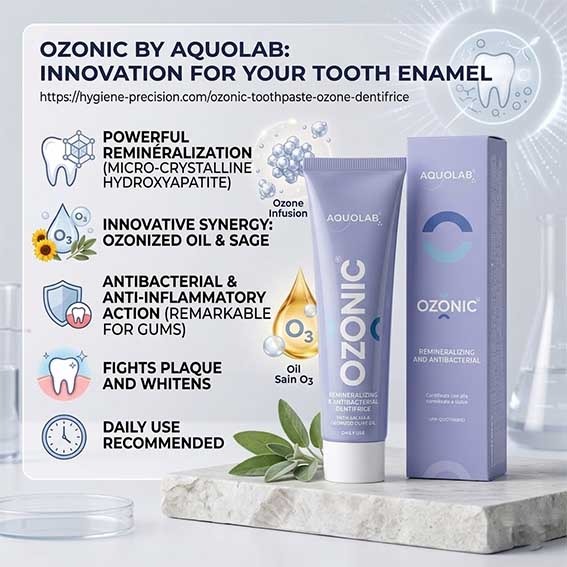
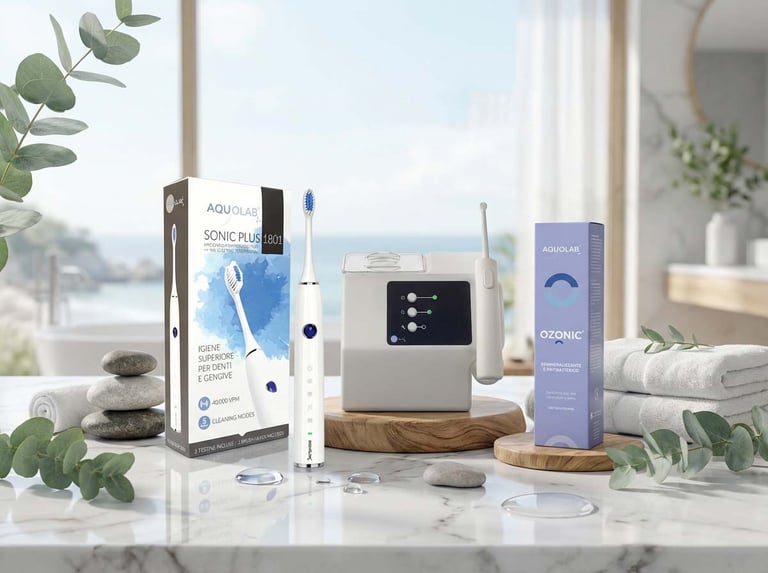
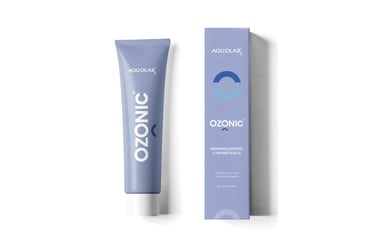
Designed as a truly premium oral care product, AQUOLAB OZONIC toothpaste is at the forefront of alternative toothpastes. Its strength lies in its exclusive formula, which combines three active ingredients in perfect synergy:
Active ozone: It deploys its antibacterial, anti-inflammatory and purifying properties to intensely cleanse tissues.
Micro-natural Hydroxyapatite: It rebuilds the protective barrier of the tooth, smooths the enamel and strengthens the overall dental structure in a way that is completely safe for your health.
Sage: This medicinal plant with soothing properties helps to gently eliminate bacterial biofilm while taking care of delicate gums.
How to adopt an effective fluoride-free oral hygiene routine?
To maximize the benefits of an alternative toothpaste, diligence and choosing the right equipment are essential. Here are the key steps for impeccable daily hygiene:
Brush your teeth morning and evening for at least 2 minutes, carefully following the BROS method advice for effective brushing.
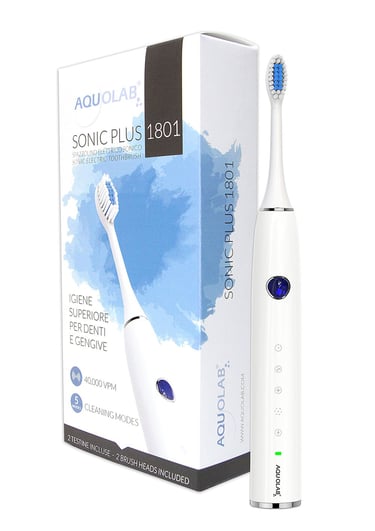
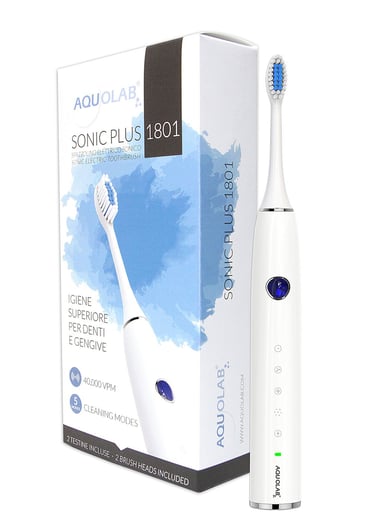
Opt for the use of a gentle technology, such as a sonic toothbrush, whose fluid movements dislodge residue without damaging the neck of the teeth.
Perfectly complete your routine with an Aquolab ozone water flosser. The combined action of hydro-ozonated water allows you to reach inaccessible interdental spaces, providing a beneficial gum massage and total oral disinfection.
Consult your dentist regularly to adapt your routine according to the evolution of your specific needs.

Conclusion: Fluoride or Ozone
Fluoride remains a cornerstone in the prevention of tooth decay, thanks to its ability to strengthen enamel and inhibit bacterial growth. However, ozone is emerging as a promising alternative to fluoride for cavity prevention, particularly due to its antibacterial, anti-inflammatory, and healing properties.
For those seeking a natural, effective solution without side effects, ozone stands out as an advanced technology dedicated to supporting oral health.
Recommendation
Talk to your dentist to determine whether ozone therapy or the use of ozone-based toothpaste can complement or replace fluoride in your oral hygiene routine.
Continue reading...
© 2024. All rights reserved.