hygiene-precision: distributor of Aquolab products




Best SLS free toothpaste | Best toothpaste without SLS
Is the Sodium Lauryl Sulfate (SLS) in your toothpaste dangerous? Discover its effects, the risk of irritation (mouth ulcers), and the best natural alternatives.
This article was written by the Hygiène Précision team, based on scientific data and rigorous clinical studies. Latest update 02/09/2026
5/6/20266 min read
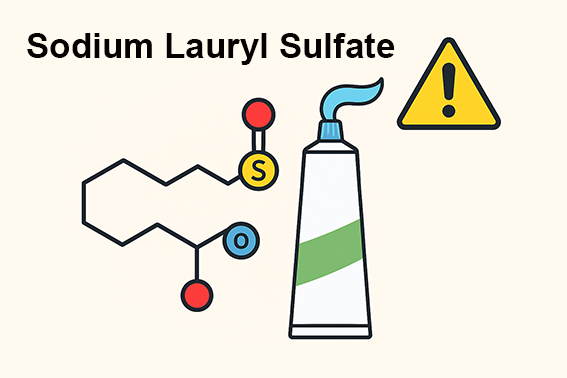
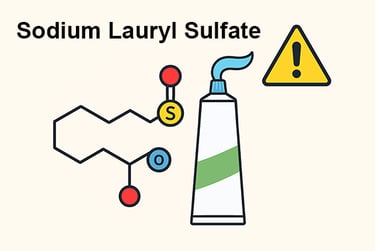
Sodium lauryl sulfate (SLS) is an anionic surfactant widely used in hygiene products, particularly toothpastes. Its primary function is to create foam, improve product distribution, and facilitate the removal of food debris and plaque. However, its use has raised concerns about its irritating and potentially harmful effects on oral health. In response, foam-free and natural toothpastes are emerging as attractive alternatives for those seeking to limit their exposure to this ingredient.
This article contains the following:
1. What Is SLS in Toothpaste?
Sodium Lauryl Sulfate (SLS) is a synthetic surfactant commonly added to toothpaste to create foam and improve cleaning performance. It helps spread the toothpaste evenly across the teeth and gums, making it easier to remove food debris, dental plaque, and bacteria during brushing. Although SLS enhances the brushing experience, it has also raised concerns because it may irritate sensitive oral tissues in some people.
Foaming Agent and Surfactant
SLS is primarily used as a foaming agent, typically at concentrations ranging from 0.5% to 2% in toothpaste. By lowering the surface tension of water, it allows the toothpaste to spread more effectively throughout the mouth. The foam helps lift food particles and plaque from tooth surfaces while ensuring that active ingredients, such as fluoride, are distributed evenly across the teeth.
Although foam is often associated with a cleaner mouth, it is important to note that the foaming action itself does not clean the teeth. Instead, it improves the contact between the toothpaste, the toothbrush, and the oral surfaces, making brushing more effective.
Detergent and Plaque Removal
As a detergent, SLS helps loosen and dissolve food debris, bacterial biofilm, and dental plaque from the surface of the teeth. This cleansing action contributes to the fresh, clean feeling many people experience after brushing.
SLS also helps disperse fluoride and other active ingredients throughout the mouth, allowing them to coat the enamel more evenly during brushing. While SLS supports the overall cleaning performance of toothpaste, it is the mechanical action of brushing and the therapeutic ingredients rather than the foam itself that play the greatest role in preventing cavities and maintaining good oral health.
2. Sodium Lauryl Sulfate toothpaste side effects
2.1 Mucosal irritation and ulcerations
SLS can cause irritation of the oral mucosa, ranging from desquamation and stomatitis to tongue inflammation and more frequent mouth ulcers (aphthae) than SLS-free toothpastes (PubMed , rdhmag.com , Wikipedia , PMC ). A systematic review showed a significant reduction in the number and duration of aphthae in patients using a toothpaste without a foaming agent (isosurfactant) compared to those containing SLS ( Nature , PubMed ). One study indicates that SLS can damage the oral epithelium at high concentrations (≥ 0.015%), although at low doses it can stimulate certain PMC cell proliferations.
2.2 Cellular toxicity
In vitro studies have shown that SLS is highly cytotoxic to gingival cells, compromising their viability by up to 90% in some PMC cases.
2.3 Disruption of enamel and effect on fluoride
SLS potentially interferes with the prophylactic efficacy of fluoride. It can compete with fluoride ions for calcium binding in enamel, reduce NaF release, and increase the solubility of the protective CaF₂ PMC .
2.4 Alteration of taste perception
Immediately after brushing, some users report an unpleasant or bitter taste, especially when consuming citrus fruits. SLS may alter taste perception by attacking inhibitors of sweet receptors (Wikipedia ).
2.5 Dry mouth (xerostomia)
Some sources mention an association between SLS and dry mouth, although the evidence remains limited and contradictory (Wikipedia ).
2.6 Non-carcinogenic but irritating
SLS is not classified as a carcinogen by the IARC, the EPA, or other health agencies (Colgate , Teen Vogue , rdhmag.com ). Nevertheless, it is known to be an irritant, which is why it is sometimes used as a positive control in dermatological tests ( medicine.uq.edu.au , Wikipedia ).
3. Sodium Lauryl Sulfate Toothpaste Allergy Symptoms
A true allergy to Sodium Lauryl Sulfate (SLS) is rare, but SLS can irritate the mouth in some people. The most common symptoms include:
Burning or stinging sensation in the mouth
Red, swollen, or bleeding gums
Dry mouth or oral irritation
Peeling of the inside of the cheeks (oral mucosal sloughing)
Recurring canker sores in sensitive individuals
If these symptoms appear after using an SLS-containing toothpaste, switching to an SLS-free toothpaste may help relieve irritation. If symptoms persist or worsen, consult your dentist or healthcare provider.
4. Best SLS free toothpaste
4.1 Sulfate-free
SLS-free toothpastes, sometimes labeled "foaming agent-free," use alternatives such as polyethylene glycol ethers of stearic acid. They also appear to be effective against gingivitis, while reducing the frequency and pain of ulcerations in patients prone to canker sores (myacare.com , Nature , PMC ).
4.2 Natural Toothpaste
Natural toothpastes aim to replace SLS with plant-based surfactants, such as plant-derived saponins. These ingredients are biodegradable, have low toxicity, and are unlikely to irritate the oral mucosa. For example, saponin extracted from Jamaican ackee is suggested as a promising alternative, without causing ulcers to date (Nature).
4.3 Best toothpaste without SLS: Ozonic
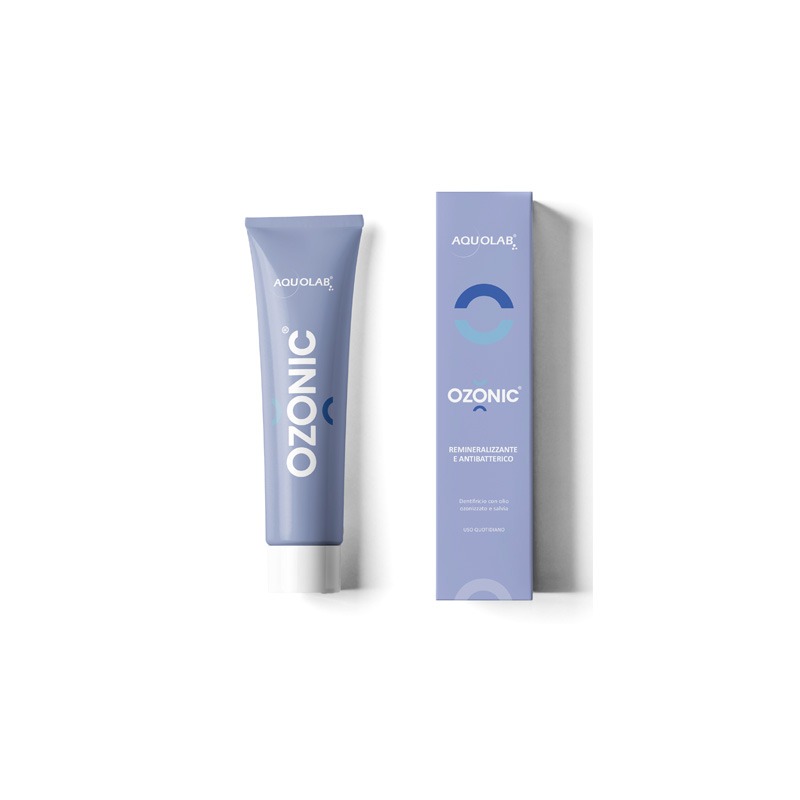
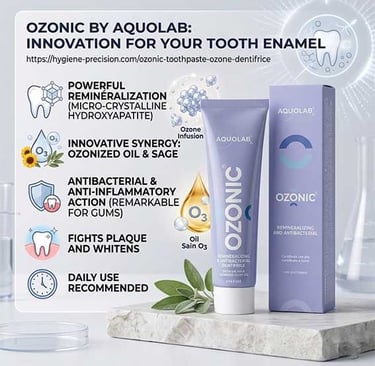
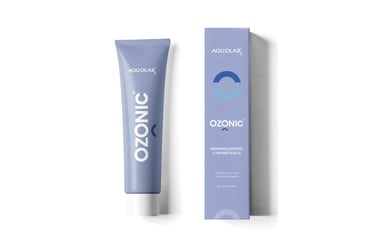
Aquolab has developed natural products such as Ozonic toothpaste without SLS for gentle and natural daily care.
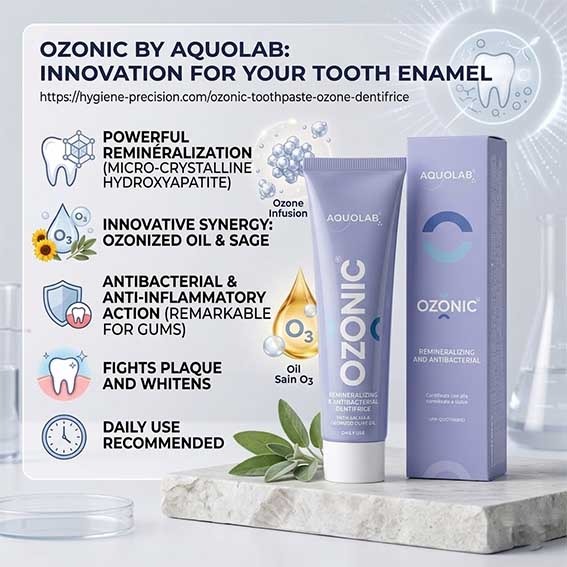
Discover Aquolab's OZONIC ozone toothpaste, an innovative solution for natural, effective, and gentle oral hygiene. Formulated with ozonated oil, hydroxyapatite, and sage, this professional toothpaste helps maintain strong teeth, healthy gums, and fresh breath every day.
Its main advantage lies in its gentler, more natural composition, free from harsh foaming agents and, most importantly, free from SLS (Sodium Lauryl Sulfate). SLS, often used in conventional toothpastes to create foam, can irritate sensitive mucous membranes and contribute to dry mouth or mouth ulcers in some people. With OZONIC®, brushing is more comfortable, more respectful of the mouth's natural balance, and particularly suitable for those seeking a healthier, less aggressive alternative.
Thanks to the properties of ozonated oil, OZONIC® toothpaste helps reduce inflammation, limit plaque buildup, and promote enamel remineralization. Hydroxyapatite, a naturally occurring component of teeth, helps fill micro-cracks in the enamel and reduce tooth sensitivity. Finally, sage provides a natural purifying action while helping to maintain white and sparkling teeth over time.
Choosing OZONIC® means choosing a high-performance toothpaste inspired by natural active ingredients, without compromising between effectiveness, comfort and respect for your oral health.
Why ozone?
Ozone is known for its gentle antibacterial action, which helps reduce plaque and soothe gum inflammation while respecting the mouth's natural balance. Clinical studies show that ozonated water and ozonated oils can improve gum hygiene and reduce bacteria that cause gingivitis when used in conjunction with conventional dental care.
Testimonial from a professional and user:
" As a professional, I consider Ozonic toothpaste an excellent ally for daily oral hygiene: the presence of ozonated oil and hydroxyapatite provides a gentle antibacterial and remineralizing action. As a consumer, I appreciate its delicate feeling of freshness and its good tolerance. " IR
6. Conclusion on sulfates in your toothpaste
Sodium lauryl sulfate plays an important role as a foaming and detergent agent in toothpastes, contributing to the feeling of cleanliness and the perceived effectiveness of cleaning. However, its irritating effects on the oral mucosa, including the development of canker sores, inflammation, and altered taste, make it a controversial ingredient.
For those prone to mouth ulcers or oral irritation, using a toothpaste without foaming agents or with more natural formulas is a good alternative. These products offer comparable hygiene performance while reducing the risk of irritation.
Main scientific references
Irritant effects and oral ulcerations related to SLS PMC , PubMed , Nature , Wikipedia .
SLS cytotoxicity on gingival cells in vitro PMC .
Fluoride inhibition by SLS, weakening of PMC enamel protection .
Alteration of taste after use of SLS - Wikipedia .
Dry mouth (limited data) Wikipedia .
General safety of SLS, non-carcinogenic Colgate , Teen Vogue , rdhmag.com .
Effective and less irritating SLS-free alternatives: myacare.com , Nature , PMC .
Natural toothpastes (plant saponins) as a promising avenue Nature .
Continue reading...
© 2024. All rights reserved.