hygiene-precision: distributor of Aquolab products





Bacteria in mouth treatment
Discover the best bacteria in mouth treatment options, natural remedies, professional dental care, and tips to prevent oral infections and gum disease.
This article was written by the Hygiène Précision team, based on scientific data and rigorous clinical studies. Updated on 07/09/2026
5/6/20266 min read


Bacteria in mouth are a natural part of a healthy mouth, but when harmful bacteria multiply unchecked, they can lead to infections, gum disease, tooth decay, and even serious health complications. While some bacteria help maintain a balanced oral microbiome, others can damage the teeth, gums, and surrounding tissues. Understanding how to eliminate harmful bacteria and maintain a healthy mouth is essential for preventing oral infections and protecting your overall health.
This guide explains the most common bacteria found in the mouth, the dangers of untreated bacterial infections, and the most effective professional and home bacteria in mouth treatments available.
This article contains the following:
Most common bacteria in mouth
Most common bacteria in mouth represent over 700 bacterial species. While the majority coexist harmlessly as part of a balanced oral microbiome, poor dental hygiene allows specific pathogenic strains to proliferate.
Streptococcus mutans (Tooth Decay): The primary driver of dental caries. It metabolizes dietary sugars into lactic acid, progressively demineralizing tooth enamel.
Porphyromonas gingivalis (Gum Disease): A key pathogen in advanced periodontal disease, responsible for tissue destruction and chronic periodontitis.
Fusobacterium nucleatum (Biofilm Bridge): Acts as a critical structural bridge in plaque development, enabling diverse anaerobic species to adhere and form pathogenic biofilms.
Lactobacillus species (Caries Progression): While vital for gut health, these acid-tolerant bacteria accelerate the deepening of cavities once the initial enamel lesion is established.
Veillonella species (Metabolic Modulator): Typically a commensal organism that metabolizes lactic acid produced by Streptococcus, though severe dysbiosis can shift its role toward promoting disease.
Harmful bacteria in mouth
An overgrowth of harmful bacteria disrupts oral balance, triggering a chain reaction of infections ranging from mild inflammation to systemic risks:
Dental Plaque Formation: A daily sticky biofilm that, if not removed by brushing and flossing, calcifies into tartar accelerating bacterial colonization.
Gingivitis: Mild, reversible gum inflammation presenting with swollen, bleeding gums during brushing.
Periodontitis: Chronic, irreversible damage to the bone and tissues anchoring the teeth, which often leads to tooth mobility and tooth loss.
Dental Abscess: A critical infection causing pus buildup, severe throbbing pain, swelling, and fever demanding urgent dental care.
Sinus Infections (Dental Sinusitis): Deep infections from upper molars that migrate into the maxillary sinuses, causing localized pressure, congestion, and one-sided nasal discharge.
Bacteria in mouth treatment
Professional dental care targets harmful oral bacteria depending on the depth, location, and severity of the condition. Treatment ranges from routine preventive hygiene to targeted medical and surgical procedures:
1. Professional Dental Cleaning (Prophylaxis)
Routine ultrasonic scaling and polishing eliminate calcified plaque (tartar/calculus) and bacterial biofilms from tooth surfaces that regular brushing and flossing cannot reach.
2. Periodontal Therapy (Scaling & Root Planing)
For bacterial infections extending below the gumline (periodontitis), dentists perform a deep cleaning to smooth the root surfaces and remove subgingival bacterial pockets, promoting tissue reattachment.
3. Root Canal Treatment (Endodontics)
When oral bacteria penetrate the enamel and dentin to infect the dental pulp, root canal therapy cleans, disinfects, and seals the interior canals—eradicating the infection while saving the natural tooth structure.
4. Drainage of Dental Abscesses
In severe or localized infections, an acute abscess (pus accumulation) requires immediate incision and drainage to alleviate pressure, eliminate pathogens, and facilitate tissue recovery.
5. Targeted Antibiotic Therapy
Systemic antibiotics are indicated when an infection spreads beyond the immediate tooth site, posing risks of systemic involvement (e.g., facial swelling, lymph node inflammation, or fever). They should always be taken strictly according to prescription.
6. Prescription Antimicrobial Rinses
Adjunctive antiseptic mouthwashes such as those formulated with chlorhexidine gluconate are frequently prescribed post-procedure to suppress pathogenic bacterial load and support mucosal healing.
Bacteria in mouth treatment at home
While a deep bacterial infection (such as an abscess or advanced periodontitis) requires clinical intervention, managing and neutralizing pathogenic bacteria at home relies on a targeted, daily protocol designed to disrupt the bacterial biofilm.
Here is a 3-step home treatment to effectively eliminate harmful oral bacteria in mouth:
Step 1: Sonic brushing to dislodge the bacterial biofilm
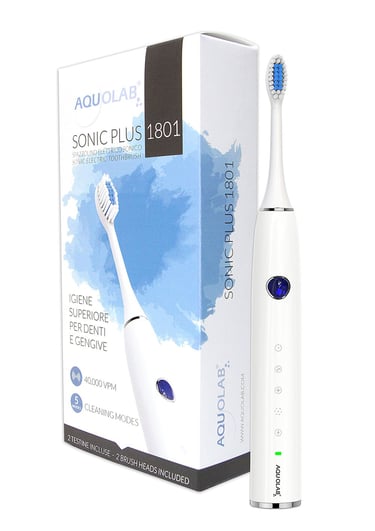
Plaque is a dense bacterial matrix that clings to tooth surfaces. Sonic toothbrushes produce tens of thousands of vibrations per minute, creating dynamic fluid action microbubbles driven deep between teeth and beneath the gumline. This breaks up bacterial colonies without irritating sensitive or inflamed gum tissues.
Step 2: Ozonated toothpaste to oxygenate the oral microbiome
Most aggressive oral bacteria are anaerobic, thriving exclusively in low-oxygen pockets. Brushing with an ozone-infused toothpaste introduces active oxygen directly to these sites. Ozone acts as a natural antibacterial and anti-inflammatory agent, neutralizing anaerobic pathogens while supporting tissue repair and soothing bleeding gums.
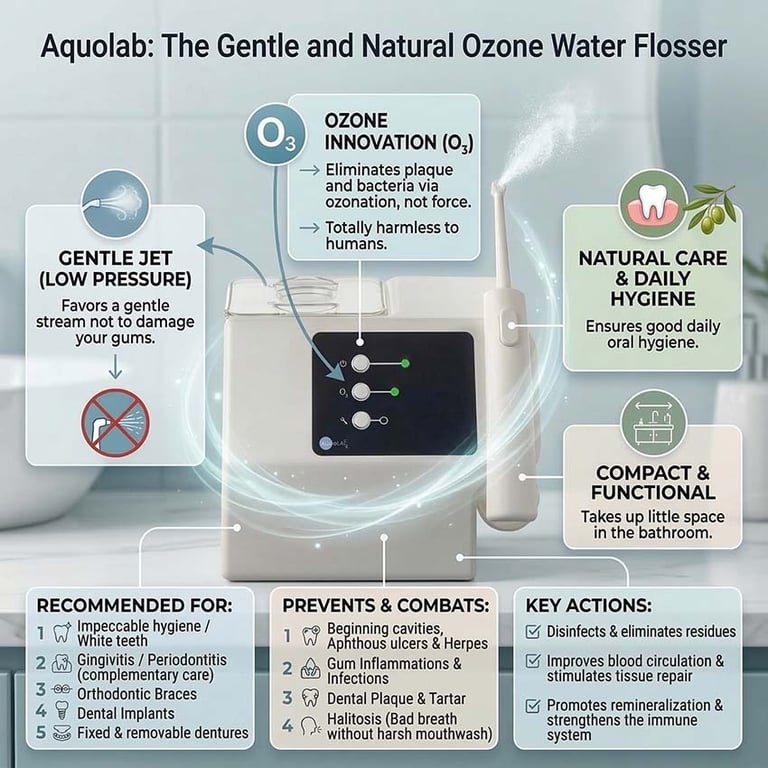
Step 3: Ozone water flosser to desinfect mouth, teeth, gums, periodontal pockets
Standard brushing misses roughly 40% of the tooth surface, particularly deep interdental spaces and gingival pockets where bacteria trigger infections. Using a water flosser enriched with ozone provides both mechanical clearance and active disinfection. The pressurized stream flushes out debris and delivers ozonated water that targets bacterial cell walls directly, keeping pathogen levels in check at home.
Combining fluid dynamic brushing with ozone therapy provides an effective home defense system to curb bacterial overgrowth and maintain long-term periodontal health.


What kills bacteria in the mouth naturally?
While natural remedies cannot replace professional dental care for active infections, several evidence-backed options kill bacteria in the mouth naturally:
Warm Salt Water Rinses: Dissolving 1/2 teaspoon of salt in warm water raises the mouth's pH, creating an alkaline environment where damaging bacteria struggle to survive while soothing inflamed gum tissue.
Oil Pulling with Coconut Oil: Rich in lauric acid a proven antimicrobial agent swishing a tablespoon of virgin coconut oil for 10–15 minutes disrupts bacterial biofilms and reduces plaque-causing Streptococcus mutans.
Unsweetened Green Tea: Packed with epigallocatechin gallate (EGCG) and other catechins, green tea inhibits bacterial growth, neutralizes sulfur compounds that cause bad breath, and reduces gum inflammation.
Crushed Raw Garlic: Crushing fresh garlic releases allicin, a potent antimicrobial compound that stunts periodontal pathogen growth. For oral benefits, let crushed garlic sit for 5 minutes before eating or mixing into food.
Probiotic-Rich Foods: Plain yogurt, kefir, and fermented vegetables like kimchi deliver beneficial Lactobacillus strains that outcompete cavity-causing microbes for resources along the gumline.
Consistent Hydration: Water stimulates continuous salivary flow. Saliva serves as your mouth's primary natural defense, physically flushing away lingering food debris and neutralizing acidic bacterial byproducts.
Signs of too much bacteria in the mouth
Catching bacterial overgrowth early prevents irreversible damage to your teeth and gums. Watch for these common warning signs:
Persistent Bad Breath (Halitosis): Chronic odor usually stems from sulfur-producing bacteria accumulating on the tongue, between teeth, and along the gumline.
Bleeding and Swollen Gums: Healthy gums never bleed during routine brushing or flossing. Redness, tenderness, and bleeding are direct responses to inflammatory plaque buildup.
Tooth Sensitivity: Bacterial erosion weakens enamel, while gum recession exposes underlying dentin, triggering sharp pain from hot, cold, or sweet foods.
Receding Gumline: Untreated bacteria destroy gum tissue and bone support, causing gums to pull back and teeth to appear longer.
Facial Swelling: A swollen jaw, cheek, or localized knot on the gums indicates an advanced abscess or spreading infection that requires immediate emergency dental care.
How oral bacteria can affect overall health
Oral bacteria can affect overall health: They do not remain confined to the mouth. When they enter the bloodstream or airways, they trigger systemic inflammation and interact directly with other organ systems:
Heart Disease: Periodontal pathogens can enter circulation and colonize damaged heart valves, significantly increasing the risk of infective endocarditis and exacerbating vascular inflammation.
Diabetes: The relationship is bidirectional. Severe gum infection hampers insulin regulation and spikes blood glucose, while poorly managed diabetes impairs immune response, accelerating tissue loss in the gums.
Respiratory Infections: Pathogenic oral bacteria can be micro-aspirated into the lower respiratory tract, leading to pneumonia and pulmonary infections, especially in older adults or immunocompromised individuals.
Pregnancy Complications: Chronic periodontal inflammation releases inflammatory mediators that travel to the placenta, which multiple clinical studies link to low birth weight and preterm delivery.
Conclusion
Harmful bacteria in the mouth should never be ignored. Without prompt treatment, bacterial infections can progress from mild gum inflammation to painful abscesses, tooth loss, and, in rare cases, systemic complications. Fortunately, most oral bacterial infections are preventable through excellent oral hygiene, regular dental visits, and early treatment of symptoms. By maintaining a healthy oral microbiome and addressing problems quickly, you can protect both your smile and your overall health.
Continue reading...




© 2024. All rights reserved.