hygiene-precision: distributor of Aquolab products





Full Mouth Debridement | Periodontal Debridement
Learn what full mouth debridement is, when it's needed, its benefits, recovery time, pain level, and how to maintain healthy gums after treatment.
This article was written by the Hygiène Précision team, based on scientific data and rigorous clinical studies. Updated on 05/10/2026
10/5/20265 min read


Full mouth debridement is a professional dental procedure that removes heavy plaque, tartar, and bacteria from the teeth and gums when excessive buildup prevents a complete oral examination. It is often the first step before diagnosing or treating periodontal disease.
Maintaining healthy gums starts with removing harmful plaque and tartar before they lead to serious periodontal problems. When excessive calculus covers the teeth and gumline, a routine dental examination may become impossible. In these cases, dentists often recommend full mouth debridement, also known as periodontal debridement, as the first step toward restoring oral health.
Unlike a standard dental cleaning, full mouth debridement is designed to remove heavy plaque and tartar deposits that prevent an accurate diagnosis. Once the mouth has been cleaned, the dentist can properly assess the condition of the gums and determine whether additional periodontal treatment is required.
This article contains the following:
Full mouth debridement meaning
A full mouth debridement is a preliminary dental procedure that removes extensive plaque, calculus (tartar), and debris from the teeth and gumline. It is generally recommended for patients who have not received professional dental care for an extended period or who present with severe tartar accumulation.
The primary purpose of this procedure is not to treat periodontal disease directly, but rather to allow the dentist to perform a complete periodontal examination afterward. Heavy calculus can hide cavities, gum recession, tooth fractures, and signs of periodontal disease, making diagnosis difficult until it has been removed.
Common reasons a dentist may recommend full mouth debridement include:
Thick tartar deposits covering multiple teeth
Bleeding or swollen gums
Persistent bad breath
Difficulty evaluating periodontal pockets
Long intervals since the last professional cleaning
After the debridement, the dentist can determine whether routine maintenance is sufficient or if scaling and root planing or other periodontal therapies are necessary.
Full mouth debridement before and after
The difference before and after treatment is often significant.
Before treatment
Patients commonly experience:
Heavy yellow or brown tartar deposits
Inflamed or bleeding gums
Persistent bad breath
Gum swelling
Difficulty chewing comfortably
Plaque accumulation beneath the gumline
After treatment
Once the deposits have been removed, patients generally notice:
Cleaner-looking teeth
Fresher breath
Reduced gum inflammation
Easier brushing and flossing
Improved comfort
Better visibility for dental diagnosis
Although teeth may initially feel more sensitive after the procedure, this usually improves within several days as the gums begin to heal.


Full mouth debridement benefits
A full mouth debridement offers numerous benefits for both oral health and future periodontal treatment.
Some of the most important advantages include:
Removal of heavy plaque and tartar buildup
Reduction of harmful oral bacteria
Improved gum health
Better breath freshness
More accurate periodontal diagnosis
Early detection of cavities and gum disease
Easier daily oral hygiene
Preparation for further periodontal therapy if needed
Removing bacterial deposits also helps reduce inflammation, allowing the gums to respond more effectively to future treatments and daily oral care.
Does a full mouth debridement hurt?
Most patients experience little to moderate discomfort rather than significant pain.
During the procedure, dentists typically use:
Ultrasonic scalers
Hand instruments
Local anesthesia when necessary
If the gums are highly inflamed or sensitive, mild soreness may continue for several days afterward.
Temporary side effects may include:
Tooth sensitivity
Mild gum tenderness
Slight bleeding
Sensitivity to cold foods and beverages
These symptoms usually disappear within a few days with proper oral hygiene and following the dentist's recommendations.
Full mouth debridement recovery time
Recovery is generally straightforward.
Most patients recover within 3 to 7 days, although gum healing continues over several weeks.
During recovery it is recommended to:
Brush gently with a soft toothbrush
Floss carefully
Avoid smoking
Stay hydrated
Avoid very hot or spicy foods for the first 24–48 hours
Follow all instructions provided by the dental professional
A follow-up appointment is usually scheduled within a few weeks to perform a complete periodontal evaluation and determine whether further treatment is needed.
Treatment at home after full mouth debridement
Professional treatment is only the first step. Long-term success depends on maintaining excellent oral hygiene at home to prevent plaque from hardening into tartar again.
The right daily routine can significantly reduce bacterial accumulation, improve gum health, and help maintain the results of periodontal treatment.
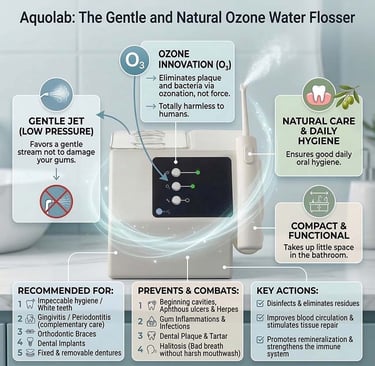
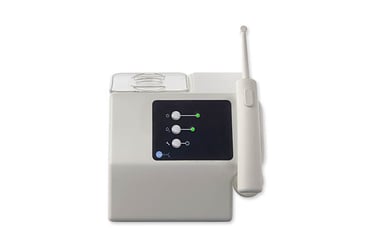
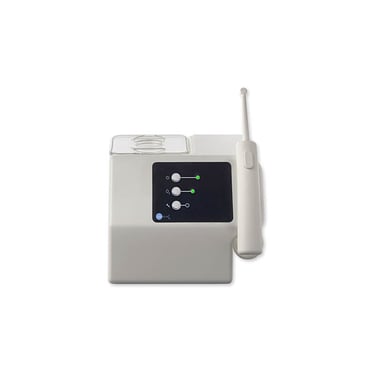
Aquolab® Ozone Water Flosser
An oral irrigator can be especially helpful after periodontal treatment because it reaches areas that brushing alone cannot access.
The Aquolab® Ozone Water Flosser combines powerful water irrigation with ozonated water technology to help flush away food particles, plaque, and bacteria around the gumline and between teeth.
Potential benefits include:
Improved cleaning around periodontal pockets
Reduction of plaque accumulation
Gentle cleaning for sensitive gums
Better support for gum healing
Fresher breath through improved bacterial control
Regular use can complement daily brushing and help reduce the conditions that favor tartar formation.
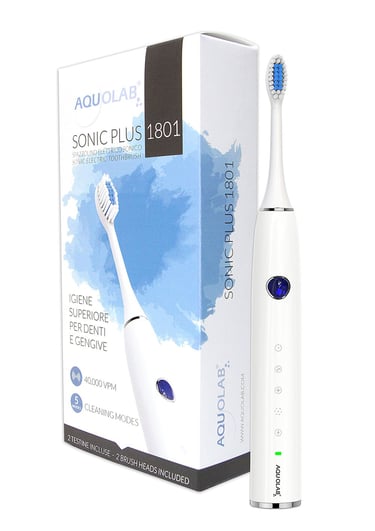
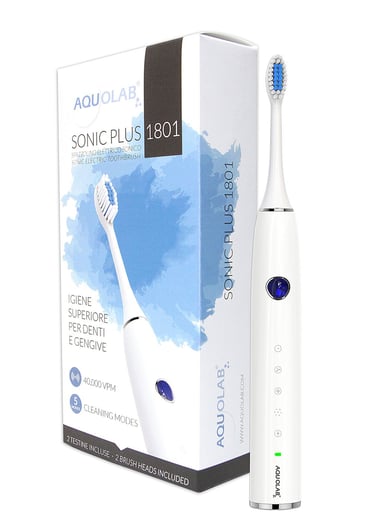
Aquolab® Sonic Toothbrush
Effective plaque removal starts with proper brushing.
The Aquolab® Sonic Toothbrush delivers thousands of sonic brush movements per minute, helping disrupt dental plaque more efficiently than manual brushing while remaining gentle on gums recovering from periodontal treatment.
Its advantages include:
Enhanced plaque removal
Gentle action on healing gums
Better cleaning along the gumline
Improved access between teeth
Support for long-term periodontal maintenance
Using a sonic toothbrush recommanded by dentists twice daily can help reduce plaque before it mineralizes into tartar.
Aquolab® Ozonic Professional Toothpaste
To complement brushing, the Aquolab® Ozonic Professional Toothpaste combines ozonized oil with sage to support daily oral hygiene.
Its formulation helps maintain a cleaner oral environment while protecting gums and teeth during everyday brushing.
Key benefits include:
Helps reduce bacterial plaque
Supports healthy gums
Promotes fresh breath
Cleans effectively while remaining gentle
Complements periodontal maintenance routines
Combined with regular brushing and interdental cleaning, it helps maintain the professional results obtained after full mouth debridement.



Conclusion
Full mouth debridement is an essential first step for patients with extensive plaque and tartar buildup. By removing deposits that prevent a thorough examination, dentists can accurately diagnose periodontal conditions and recommend the most appropriate treatment.
However, long-term success depends on consistent home care. Brushing with a quality sonic toothbrush, cleaning between teeth with an oral irrigator, and using an effective toothpaste can help reduce plaque accumulation, minimize tartar formation, and support healthier gums between dental visits.
Continue reading...


© 2024. All rights reserved.