hygiene-precision: distributor of Aquolab products




Best water flosser for implants
Discover how our water flosser ensures optimal care for your dental implants. Infection prevention, natural care, and expert advice.
This article was written by the Hygiène Précision team, based on scientific data and rigorous clinical studies. Updated on 08/09/2026
5/6/20264 min read


Maintaining dental implants is essential to ensure their longevity, prevent infections, and maintain good oral health. In this regard, a water flosser is an effective tool that complements traditional brushing. It allows for deep cleaning while respecting the sensitive gum tissue.
This article contains the following:
Why is dental implant maintenance crucial ?
Dental implants ( for more information, see "An Implant to Replace a Tooth" UFSBD ) are delicate devices that require specific care. Without rigorous hygiene, complications can arise, such as peri-implantitis, a serious infection of the tissues surrounding the implant. This highlights the importance of incorporating effective tools into your routine, such as a water flosser, known for its ability to clean hard-to-reach areas.
Water flosser for implants: advantages
Maintaining dental implants requires specialized care, as standard string floss can easily shred, scratch delicate titanium components, or break the peri-implant mucosal seal. A oral irrigator provides a gentle, non-abrasive alternative that reaches deep beneath the gumline and around complex prosthetic contours without mechanical trauma. Incorporating targeted hydro-flossing into your daily routine delivers several key clinical benefits for long-term implant survival:
1. A deep and targeted cleaning without damaging the gums
Unlike a toothbrush, a water flosser projects a thin stream of pressurized water that removes plaque and food debris around implants and between teeth. This reduces the risk of inflammation, bleeding, and infection.
2. Prevention of peri-implantitis and pain
Regular use of a water flosser helps treat implant infections when used in conjunction with appropriate treatment. It reduces the risk of developing peri-implantitis, a common cause of pain and implant loss. Combined with natural implant care, such as mouthwashes containing essential oils (tea tree, clove), it contributes to optimal hygiene.
3. A natural treatment for dental implants using ozone
Ozone irrigation, or irrigation combined with natural solutions (warm salt water, diluted hydrogen peroxide, or chamomile infusion), can provide natural implant care while also treating emerging infections. These gentle methods are particularly appealing to those seeking natural and effective alternatives.
4. Stimulation of gingival blood circulation
The massage provided by the jet stimulates blood circulation in the gums, promoting healing and strengthening. Healthy gums are essential for keeping dental implants in place and preventing complications.
Best water flosser for dental implants
Choose an oral irrigator recommended by dentists
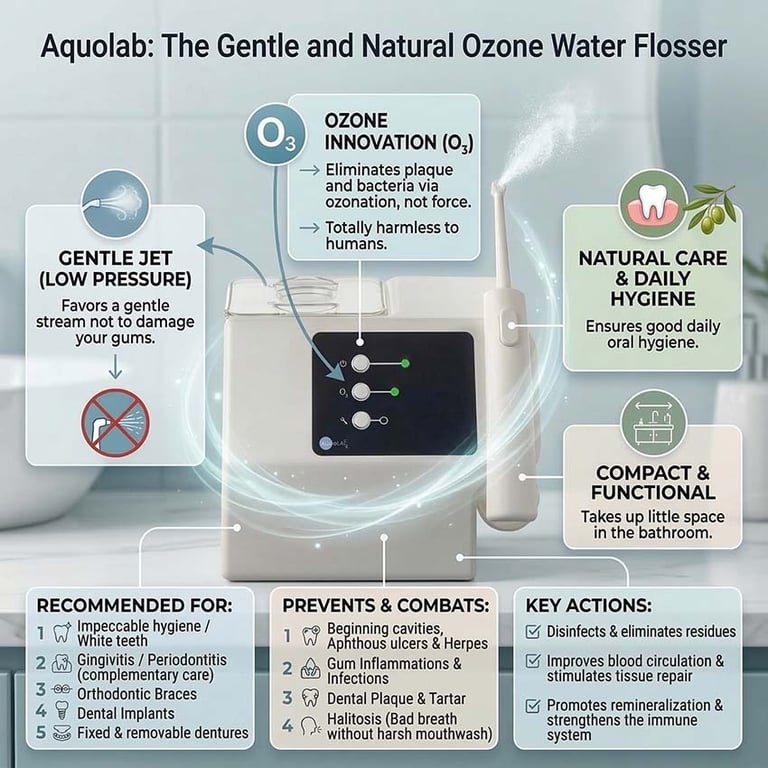
Choose the best water flosser recommended by dentists and equipped with specific tips for implants or sensitive gums. Some water flossers have options for adding natural disinfectant solutions. Opt for an ozone water flosser for its disinfecting power, controlled pressure, and gentleness on gums.
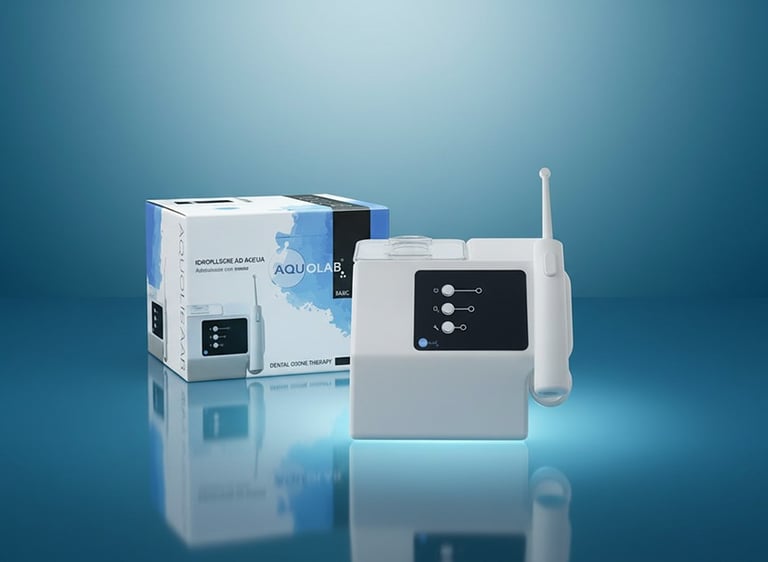
The best water flosser for dental implants : Aquolab Home
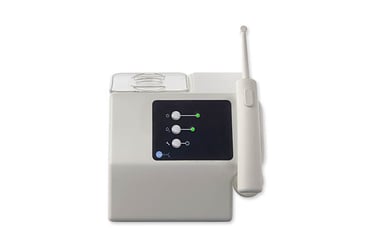
Aquolab using an ozone water jet around dental implants helps prevent and avoid peri-implant diseases. Thanks to its powerful oxidizing properties, ozone acts directly on the anaerobic bacteria involved in peri-implantitis. It helps disrupt the bacterial biofilm adhering to titanium surfaces. Several studies have demonstrated that ozonated irrigation can significantly reduce the bacterial load, particularly that of Porphyromonas gingivalis, while improving certain clinical parameters such as plaque index, bleeding on probing, and inflammation of peri-implant tissues. In addition to mechanical hygiene, the ozone water jet is an essential complement to maintaining implant health, limiting biofilm maturation, and reducing the risk of mucositis or peri-implantitis. Studies have demonstrated the benefits of the Aquolab ozone water jet in combating peri-implantitis. source: Pilot study for evaluation of reduction of mucositis with the support of ozonated water oral irrigator, Ozonated Water Promotes in vitro Decontamination of Dental Implants Surface
The correct pressure setting for dental implants
Start with light pressure to avoid traumatizing the gum tissue. You can adjust it gradually, according to your comfort and your dentist's recommendations.
Direct the jet effectively
Direct the jet along the gum line, around dental implants and between teeth. Pay particular attention to areas where plaque easily accumulates.
Daily use of the water flosser to maintain impeccable hygiene
Use the water flosser once or twice a day, for at least one minute, after brushing. Remember: it complements brushing, but does not replace it.
Best implant cleaning tools
Discover Aquolab implant cleaning tools:
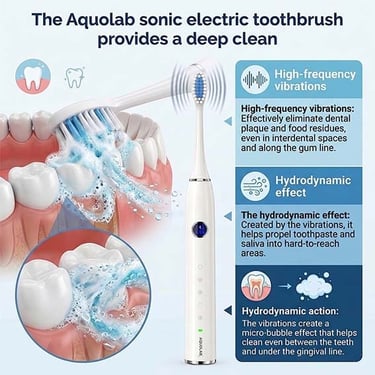
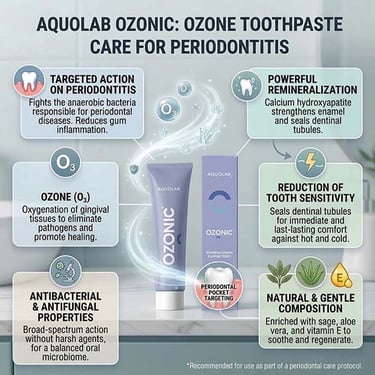
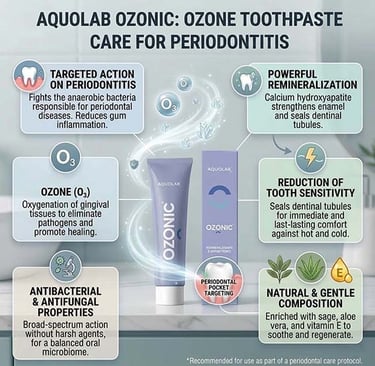
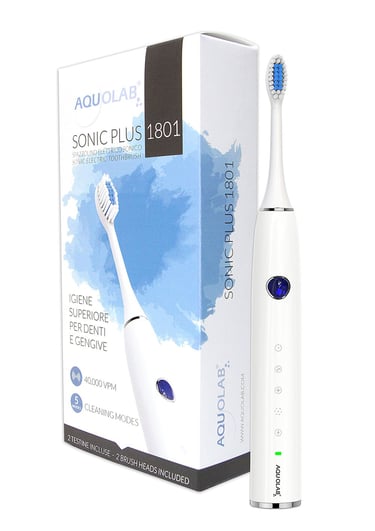
Brush your teeth twice a day with a soft-bristled sonic toothbrush, preferably for the quality of its vibrations. Use an ozone toothpaste for its disinfecting and soothing properties.
Use a Water flosser, preferably an ozone one like Aquolab, for effectiveness and a gentle jet.
Be careful if you use dental floss suitable for implants or interdental brushes. You can hurt your gums.
Complete your routine with natural mouthwashes that have anti-inflammatory and antiseptic properties.
Consult your dentist regularly to monitor the health of your implants.
Conclusion: Water flosser is an essential tool for caring and maintaining dental implants
In summary, the use of a controlled-pressure ozone water flosser is highly recommended for dental implant care. It helps prevent infections, naturally heals the implant, and maintains good gum health. By combining it with natural care and rigorous hygiene, you increase the chances of keeping your implants in perfect health for many years.
For personalized advice tailored to your situation, do not hesitate to consult your dentist or dental hygienist.


Continue reading...
© 2024. All rights reserved.