hygiene-precision: distributor of Aquolab products





Smoking and periodontal disease
Smoking increases the risk of periodontal disease and masks the symptoms. Discover how to protect your gums and prevent gum recession.
This article was written by the Hygiène Précision team, based on scientific data and rigorous clinical studies. Updated on 10/09/2026
5/6/20268 min read
This article contains the following:

Smoking and dental periodontal disease: tobacco is the enemy of your gums
When we talk about the harmful effects of smoking, we immediately think of cardiovascular diseases or lung ailments. Yet, the oral cavity is the very first line of defense. Among the most severe, yet often overlooked, complications is the direct link between smoking and periodontitis. This condition, commonly known as gum disease, does more than just cause discomfort: it progressively destroys the supporting tissues of the teeth, potentially leading to total tooth loss.
Clinical data is unequivocal: a smoker is three to eight times more likely to develop aggressive periodontitis than a non-smoker. Even worse, tobacco acts like a mask, concealing crucial warning signs and thus delaying medical attention. Discover how tobacco-related gum disease progresses silently and what solutions are available to protect your smile.
How does smoking cause gum disease?
Periodontitis is a chronic bacterial infection that attacks the periodontium, that is , all the supporting tissues of the teeth (the gums, the periodontal ligament, and the alveolar bone). In smokers, cigarette smoke profoundly alters the oral ecosystem through three main destructive mechanisms:
1. Vasoconstriction: the trap of false calm
Nicotine has a powerful vasoconstrictive effect, meaning it reduces the diameter of the blood vessels supplying the gums. As a result, local blood flow is significantly reduced. This is where the major pitfall lies: bleeding gums, the universal first warning sign of gingivitis or periodontitis in non-smokers, become completely absent in tobacco users. The gums appear pink and healthy while they are undergoing severe hypoxia (oxygen deprivation) and are being asphyxiated deep within the tissues.
2. The drastic decline in immune defenses
Smoking impairs the function of neutrophils, the white blood cells responsible for defending the body against bacterial attacks. Weakened, the immune system is no longer able to regulate the proliferation of pathogenic bacteria nestling under the gums. These bacteria then multiply freely, organize themselves into calcified plaques ( subgingival tartar ), and directly attack the bone.
3. Changes in oral flora and saliva
Smoking reduces saliva production, a fluid essential for naturally cleaning the mouth and neutralizing acids. A dry mouth promotes an anaerobic (oxygen-free) environment, ideal for the growth of the most aggressive periodontopathogenic bacteria.
Key Figure to Remember: More than 70% of severe periodontal cases in adults are directly attributable to smoking. The rate of alveolar bone destruction is also twice as fast in smokers.
Periodontal disease symptoms when smoking
Because the bleeding warning signal is suppressed, the periodontal disease progresses silently. It is therefore crucial for any smoker to pay attention to other, less obvious but revealing clinical signs of the periodontal disease's progression when smoking:
Persistent bad breath ( halitosis ): Caused by volatile sulfur compounds emitted by anaerobic bacteria lodged in periodontal pockets.
Gum recession: The gums begin to recede, exposing the roots of the teeth. The teeth then appear abnormally long.
Loose teeth in a smoker: This is a sign of an advanced stage. When more than 50% of the supporting bone is destroyed, tooth mobility develops, inevitably leading to extraction if nothing is done.
Periodontal abscesses: Painful episodes of localized infection with the presence of pus in the gum.
Gum colors in smokers
Tobacco has a direct impact on the color and health of the gums. In smokers, gum tissue can gradually change in appearance due to nicotine, heat, and decreased tissue oxygenation. These changes are often signs of inflammation or poor blood flow.
• Dark red gums: often indicate chronic inflammation linked to tobacco irritation.
• Whitish gums: can appear due to excessive keratinization caused by smoke.
• Brownish or black gums: linked to pigmentation from nicotine and melanin stimulation.
• Purplish gums: a possible sign of poor blood circulation and a lack of tissue oxygenation.
• Pale gums: may reveal reduced blood flow, common in regular smokers.
Regular monitoring and good oral hygiene are essential to maintain healthy gums and prevent periodontal disease.


Smoker's melanosis gums
Smoker's melanosis gums is a benign pigmentation of the gum tissue caused by long-term exposure to tobacco smoke. This condition occurs when the chemicals in tobacco stimulate melanocytes, the cells responsible for producing melanin, leading to brown or dark patches on the gums. It is most commonly observed in cigarette smokers but can also affect users of cigars, pipes, or smokeless tobacco. Although smoker's melanosis is generally harmless and does not increase the risk of oral cancer, any new or changing pigmented lesion should be evaluated by a dental professional to rule out other conditions. In many cases, the pigmentation gradually fades after smoking cessation, although the process may take several months or even years depending on the duration and intensity of tobacco use.


Smokers gums treatment
When a patient decides to treat periodontitis, the dentist implements a rigorous protocol: thorough scaling, root planing (cleaning the roots below the gum line), and, if necessary, periodontal surgery. However, tobacco use significantly worsens the prognosis of these treatments.
Due to poor tissue vascularization, a smoker's healing capacity is significantly reduced. Scaling and root planing results are less conclusive, and relapses are frequent. Furthermore, if dental implants are considered to replace missing teeth, smoking doubles the risk of implant failure by causing peri-implantitis (destruction of the bone surrounding the implant).
Smokers gums treatment at home
Aquolab innovates oral gum treatment with ozone. Traditional oral hygiene tools remain essential, but today there are complementary solutions that can be particularly beneficial for smokers. Among them, the AQUOLAB ozone product range deserves special mention.
Why ozone?
Ozone (O₃) is a gas with properties described as antibacterial, antiviral, antifungal, anti-inflammatory, and immunomodulatory. Studies have shown that ozonated irrigating water can reduce the Plaque Index (PI) and gingival bleeding (BOP) in patients, for example, in a clinical trial with pregnant women. The Aquolab MDPI device, which mixes ozone with water in a home or professional water jet, is designed specifically to improve oral hygiene as a complement to brushing.
Discover the best products for smokers recommended by dentists:
Best water flosser for smokers
Aquolab home is recommended by dentists. It disinfects the gum area, reaches periodontal pockets, and limits bacterial growth. it is Ideal for smokers who have an increased risk of gum disease.
A study confirms the effectiveness of the Aquolab water flosser in treating gingival candidiasis in a 42-year-old smoker. While conventional antifungals (nystatin, fluconazole) have limitations such as an unpleasant taste or cellular toxicity, ozonated water delivered by the Aquolab device offers a high-performing alternative. One month later, the gums remained healthy. With no side effects, ozone confirms its usefulness for various infections, including periodontics and orthodontics. Source: 2018_01_10_Case Report_Candidosi_Dott.ssa C.Casu_President AIRO
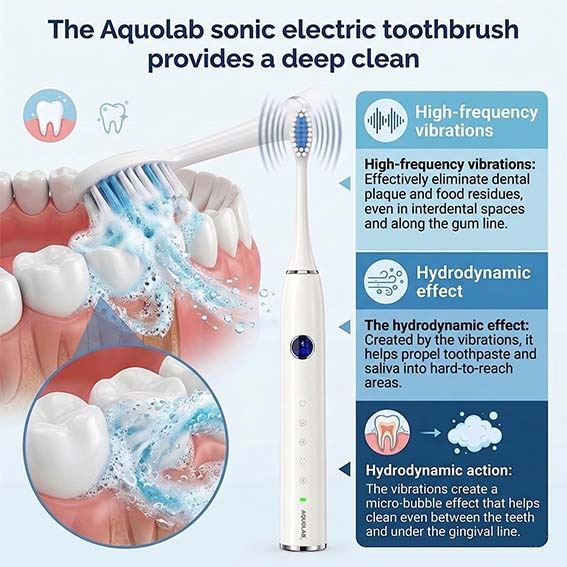
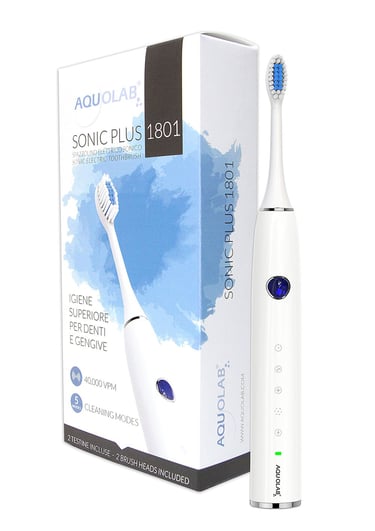
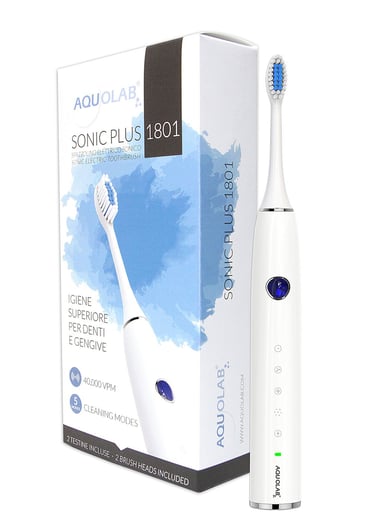
Best soft vibrating toothbrush for smokers: the AQUOLAB Sonic toothbrush
Combining a quality sonic toothbrush with a water flosser enhances cleaning, especially useful for people exposed to risk factors such as tobacco.
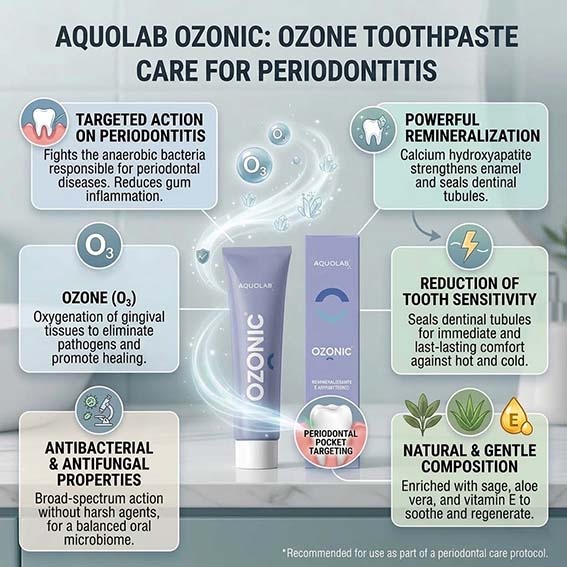
Best toothpaste for smokers: Ozonic
A toothpaste enriched with ozonated oil and hydroxyapatite, designed to enhance daily hygiene, limit inflammation and support gum health.
Best gum disease treatment at home: AQUOLAB Gingivitis/Periodontitis Pack
A complete Gingivitis/Periodontitis pack for those who already show signs of gingivitis or periodontitis, combining several products from the Aquolab brand.




Does nicotine cause gum recession?
Nicotine can contribute to gum recession, although it is not always the sole cause. By constricting blood vessels, nicotine reduces blood flow to the gums, limiting the oxygen and nutrients needed to keep gum tissue healthy and to repair damage. This weakened circulation can make the gums more susceptible to inflammation, infection, and gradual recession over time. In addition, nicotine may mask early signs of gum disease, such as bleeding gums, delaying diagnosis and treatment. Whether consumed through cigarettes, vaping products, nicotine pouches, or other nicotine-containing products, long-term nicotine exposure may increase the risk of gum recession, especially when combined with poor oral hygiene or existing periodontal disease. Maintaining good dental care and attending regular dental checkups are essential for protecting gum health, regardless of nicotine use.
How long does it take for smoking to affect your teeth?
The effects of smoking on your teeth can begin much sooner than many people realize. In just a few days or weeks, tobacco can cause surface stains as nicotine and tar accumulate on the enamel, leading to yellow or brown discoloration. Within a few months, smokers may notice persistent bad breath, increased plaque buildup, and a higher risk of gum inflammation due to reduced blood flow in the gums. Over the course of several years, continued smoking significantly increases the likelihood of gum disease, tooth decay, loose teeth, and even tooth loss. The exact timeline depends on factors such as the number of cigarettes smoked daily, oral hygiene habits, diet, and regular dental care. Quitting smoking at any stage can help slow or prevent further damage and improve overall oral health. When smoking it is important to have an excellent oral hygiene. Aquolab products support you in your daily oral hygiene.
If i stop smoking, will my gums repair?
Yes, quitting smoking can significantly improve the health of your gums, although the extent of recovery depends on the severity of any existing damage. Smoking reduces blood flow to the gum tissues, weakens the immune system, and slows the body's ability to heal, making it easier for gum disease to develop and progress. Once you stop smoking, circulation begins to improve, inflammation decreases, and your gums become better equipped to fight bacteria and recover from minor damage. If gum disease is detected early, your gums may heal well with proper oral hygiene and professional dental care. However, advanced gum recession or bone loss caused by severe periodontal disease is usually permanent and may require specialized treatment. By quitting smoking, brushing and flossing daily, and visiting your dentist regularly, you give your gums the best chance to repair and maintain long-term oral health.
Smokers, how to save your teeth and protect your gums?
The combined action of professional care and good habits at home can stop the progression of the disease:
A gradual or complete cessation of smoking
This is the number one deciding factor. Within the first few months of quitting smoking, blood microcirculation normalizes. The immune response becomes effective again, allowing periodontal treatments to achieve a success rate similar to that of non-smokers.
Our routine with Aquolab products
Here's how a smoker could structure their daily oral hygiene routine by incorporating these practices:
Brushing morning and evening: use the Aquolab sonic brush and Ozonic toothpaste.
Ozonated water dental jet: once a day (preferably in the evening), after brushing, use the Aquolab water flosser to clean interdental areas and gingival pockets, which are particularly exposed in smokers.
Regular check-up: have visits to the dentist/periodontist every 4-6 months, and mention smoking in order to adjust the follow-up.
The benefits of Aquolab skincare for smokers
Improved oral hygiene: the ozonated jet allows for deeper cleaning of periodontal pockets, areas often poorly cleaned.
Reduction of gingival inflammation: Ozone has an anti-inflammatory and antibacterial effect. Lippincott
Improved healing after periodontal treatment: Ozone allows for better tissue oxygenation. ResearchGate
Better specific support for smokers: by combining smoking cessation, enhanced hygiene and targeted products, some of the damage is reversed.
Prevention of periodontitis and slowing its progression: regular use of an ozonated irrigator can be part of the prevention of periodontitis in smokers.




Continue reading...
© 2024. All rights reserved.