hygiene-precision: distributor of Aquolab products




Brushing teeth technique | toothbrushing technique
Want healthier gums and a brighter smile? Discover the 5 steps of brushing method to eliminate dental plaque and prevent tartar buildup.
This article was written by the Hygiène Précision team, based on scientific data and rigorous clinical studies. Updated on 12/09/2026
5/6/20267 min read
Adopting an effective toothbrushing technique is essential to maintain optimal oral health. Among the methods most recommended by dental professionals, the brushing techniques stands out for its simplicity, precision, and proven clinical efficacy. Structured to successfully eliminate dental plaque and prevent gum disease, this method establishes an indispensable routine for anyone committed to rigorous oral hygiene.
In this article:
Toothbrushing technique | BRUSH technique in Dentistry
Toothbrushing technique Recommended by leading dental surgeons, the BRUSH technique is a clinical reference standard in France in oral hygiene. Unlike linear or erratic cleaning patterns that compromise and damage soft tissues, this medical approach relies on a clear, structured protocol.
The English acronym BRUSH (BROS in France) synthesizes the fundamental pillars required to eliminate dental plaque thoroughly while providing maximum protection to the gums:
B for Both arches separately: You should never brush the upper and lower teeth at the same time with your jaws closed. To avoid spreading bacteria across quadrants, it is vital to clean the upper jaw and the lower jaw entirely independently.
R for Roll (Rotational movement): The brushing motion must always travel from red to white, meaning from the gumline toward the tooth tip. This semi-circular sweeping motion lifts food debris and bacterial biofilm away without ever pushing impurities under the delicate gingival tissue.
U for Use a 45° angle (Oblique position): This is the secret to success. The toothbrush bristles must be positioned at a 45-degree angle relative to the tooth surface. This specific angle allows the filaments to safely clean the gingival sulcus (the pocket where the tooth meets the gum), where plaque and bacteria routinely aggregate.
S for Surface adaptation & Systematic path: To ensure no zone is neglected, the brushing sequence must follow a strict, unvarying path. It is clinical practice to clean the outer surfaces first, move to the inner surfaces (lingual side), and conclude with the chewing surfaces.
H for Habitual routine & Tongue hygiene: Total oral freshness requires a complete regimen performed consistently twice a day, concluding with a gentle sweeping of the tongue surface to eliminate volatile sulfur compounds responsible for bad breath.
Did you know? > The BRUSH technique transforms a mechanical daily chore into a genuine preventative health care treatment. By respecting this anatomical protocol, you drastically reduce the risks of gingivitis, bleeding gums, and periodontitis, perfectly preparing your mouth for the ultimate purification step.
Why adopt this precise toothbrushing technique?
Upgrading to the BRUSH technique is not just about changing your physical gesture; it is a profound transition toward optimal oral wellness. While standard horizontal scrubbing damages enamel and compromises the gums, this structured approach offers scientifically proven benefits.
Optimal Elimination of Dental Plaque
Dental plaque is an invisible but permanent enemy. This complex biofilm, composed of salivary proteins, food residues, and live bacteria, continuously adheres to the teeth and the gingival sulcus.
If not thoroughly disrupted, it triggers gingivitis (inflammation, redness, and bleeding), which can deteriorate into irreversible periodontitis and bone loss. Thanks to its rolling motion and 45° oblique inclination, the BRUSH technique:
Sweeps plaque away from the tissue smoothly (from "pink to white") without ever pushing bacteria under the gumline.
Disrupts the biofilm even in high-risk zones like the inner surfaces of the lower front teeth.
Cleans gently without abrasion, preserving enamel and preventing gum recession.
Advanced Defense Against Tartar and Cavities
When plaque is left undisturbed for over 48 hours, it undergoes mineralization due to the calcium present in saliva, turning into hard tartar. Once tartar forms, it can no longer be removed by a toothbrush; a professional scaling by a dental surgeon becomes mandatory.
Applying the BRUSH technique systematically stops this process at the root, eliminating the soft biofilm before it solidifies and neutralizing the acid-producing bacteria that cause enamel demineralization and cavities.
What are the 5 steps to brushing your teeth?
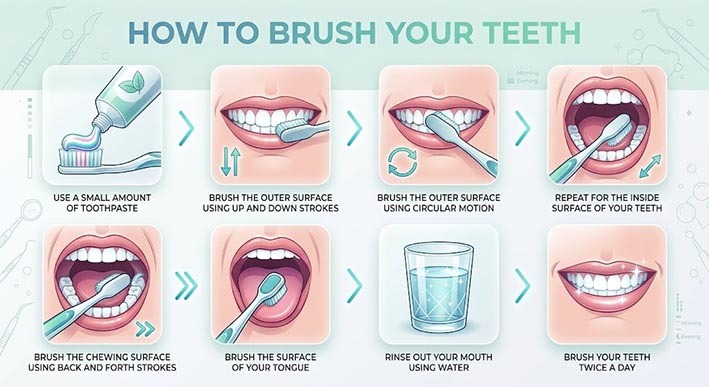
To turn your oral hygiene into a precise clinical protocol, follow this breakdown of the 5 core steps illustrated by dental health guidelines:
Apply a small amount of toothpaste
Use a pea-sized amount of fluoride toothpaste on your toothbrush.Brush the outer and inner surfaces of your teeth
Hold the brush at a 45° angle to the gums and use gentle vertical motions. For the inside of the front teeth, tilt the brush vertically and sweep outward.Brush the chewing surfaces
Place the bristles flat on the chewing surfaces and use short back-and-forth strokes to remove food and plaque.Brush your tongue and rinse
Gently brush your tongue from back to front, then rinse your mouth with water.Brush twice a day for two minutes
Brush every morning and evening for a full two minutes to maintain good oral health.
Manual Toothbrushes vs. electric toothbrush
Public health institutions, such as dental hygiene associations, highlight that electric toothbrushes drastically simplify execution while maximizing efficiency. While a manual brush can technically fulfill the BRUSH criteria, it demands a degree of manual dexterity and time compliance that few achieve in practice.
Dentists recommend using an electric toothbrush for better plaque removal and healthier gums. It cleans teeth more effectively than a manual toothbrush and makes brushing easier. For the best results, brush twice a day for two minutes.
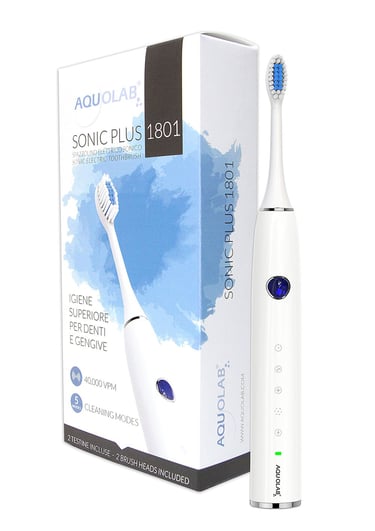
To optimize toothbrushing technique, sonic technology delivers clinically superior performance:
Natural respect of the movement: Unlike classic oscillating-rotary models that produce rapid circular friction which can be highly abrasive, sonic technology generates gentle vertical micro-sweeping actions that mirror the exact vertical "Roll" motion taught in the BRUSH framework.
Unrivaled plaque disruption: Thanks to thousands of micro-vibrations per minute, it lifts away plaque effortlessly without requiring you to apply excessive pressure, saving your gums from recession.
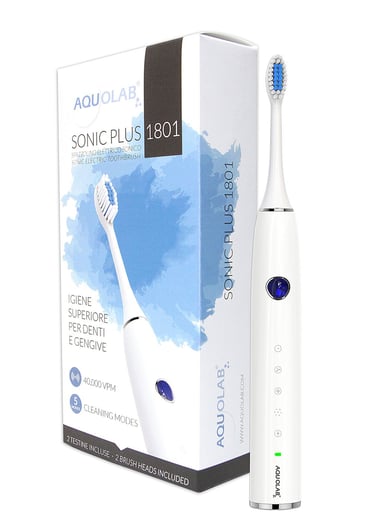
Our Aquolab Sonic Toothbrush features gentle vibration modes specially calibrated for sensitive tissue, guaranteeing optimal bacterial elimination with every single use.
Expert Advice on the Ultimate Step:
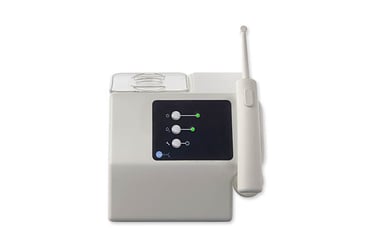
Interdental Cleaning, Even the best toothbrush cannot reach the tight spaces between two teeth. To perfect the BRUSH technique and eliminate 100% of the bacteria responsible for bad breath and interdental decay, always complete your brushing with an ozone water flosser. The purifying action of ozonated water thoroughly cleanses tissues where the bristles physically stop.
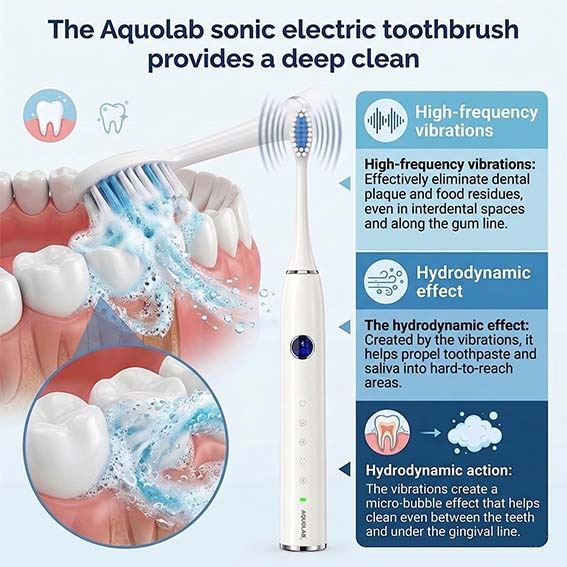
Proper toothbrushing technique | Best electric toothbrush
1. Prepare the Brush: Apply a pea-sized amount of fluoride toothpaste onto the brush head before turning the device on to prevent splashing.
2. Position at a 45° Angle: Place the bristles against the gumline at a 45-degree angle to ensure effective plaque removal along the margins.
3. Let the Vibrations Work: Turn on the brush and guide it gently from tooth to tooth without scrubbing—let the sonic micro-vibrations do the cleaning for you.
4. Cover Every Surface: Spend 30 seconds on each dental quadrant (outer, inner, and chewing surfaces) for a full 2 minutes. Gently clean your tongue, then spit out the excess paste without rinsing immediately.


how to brush your teeth with vibrating toothbrush properly step by step with pictures
What to do after brushing teeth?
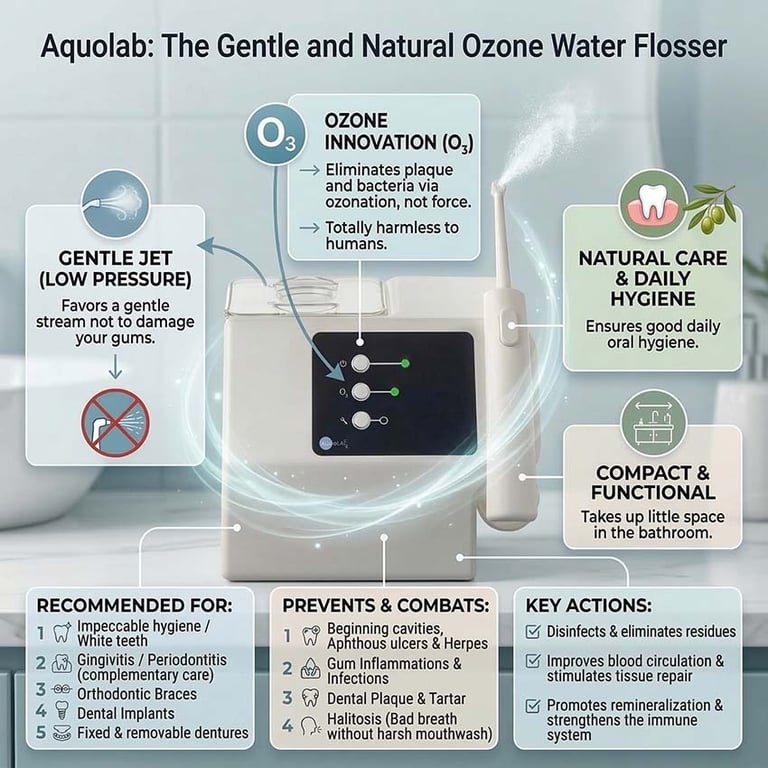
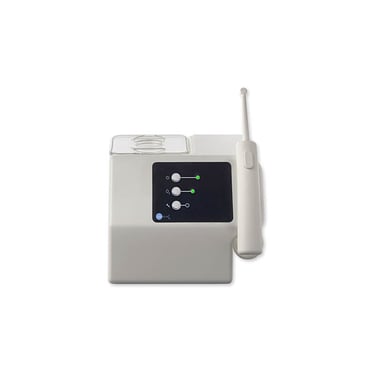
Even the most perfect brushing technique cannot reach the tightest interdental spaces or eradicate 100% of the anaerobic pathogens nesting deep inside the gingival pocket. To finalize your brushing teeth technique, integrating the Aquolab Ozone Water Flosser. It transforms your home routine into a medical-grade treatment.
The best water flosser after teeth brushing
Standard oral irrigators rely purely on high-pressure water streams to tear away debris, which frequently traumatizes and causes recession of fragile gum margins. Aquolab utilizes a low-pressure, micro-targeted water stream heavily enriched with medical-grade ozone. This mixture provides unique biological advantages:
Unmatched Germicidal Power: Ozone acts as a rapid, natural oxidizer that instantly dismantles viral envelopes and eradicates bacteria responsible for periodontitis and caries.
Zero Chemical Residues: This ecological treatment is entirely biocompatible and leaves zero toxic traces, replacing industrial chemical mouthwashes that alter and damage the natural oral microbiome when used long-term.
Halitosis Eradication: By thoroughly oxidizing the sulfur-producing anaerobic biofilm hidden deep between teeth, it targets bad breath directly at its source.
Comprehensive Prevention for Every Profile
Certified as an electro-medical device (Directive 93/42/EEC), the Aquolab system stimulates local microcirculation and accelerates tissue healing. Offering adjustable water pressure and customized ozone output, it accommodates every profile:
For gum issues (Gingivitis, Periodontitis): It instantly soothes inflammation and stops bleeding by boosting tissue repair.
For orthodontic patients & prosthetics: Whether you have braces, implants, crowns, or bridges, the micro-jet glides around obstacles where standard bristles fail, guaranteeing microscopic purity.
Summary: The BRUSH technique, Your Ally for a Healthy Mouth
Adopting the BRUSH technique guarantees an oral care routine that is thorough, anatomically sound, and exceptionally gentle on your gums and enamel. Pairing its mechanical precision with the bio-oxidative power of an ozone water flosser delivers an unparalleled protective barrier against disease.
Remember, regular visits to your dental surgeon for professional check-ups and scaling remain mandatory to sustain long-term oral vitality.
Continue reading...
© 2024. All rights reserved.